On This Page
Red sandalwood, or lal chandan, is Pterocarpus santalinus, a slow-growing hardwood native to the hills of Andhra Pradesh. This page explains how it is actually farmed there, what the law allows, and how to read the plot schemes crowding the market. It reports what sellers claim without repeating those claims as fact.
The Short Answer
Red sandalwood is farmed in Andhra Pradesh on privately owned patta agricultural land, from saplings registered with the forest department, and it matures over decades. Growing the tree is legal. Felling, sale and export are all tightly regulated.
TL;DR Red sandalwood is native to Andhra Pradesh, legal to grow on private patta land with forest-department registration, and slow. Quality heartwood takes about 30 to 60 years, not the 12 to 15 years plot schemes advertise. Selling and exporting are government-controlled, and price figures are volatile market context, not per-acre promises.
What is red sandalwood, and why is Andhra Pradesh its natural home
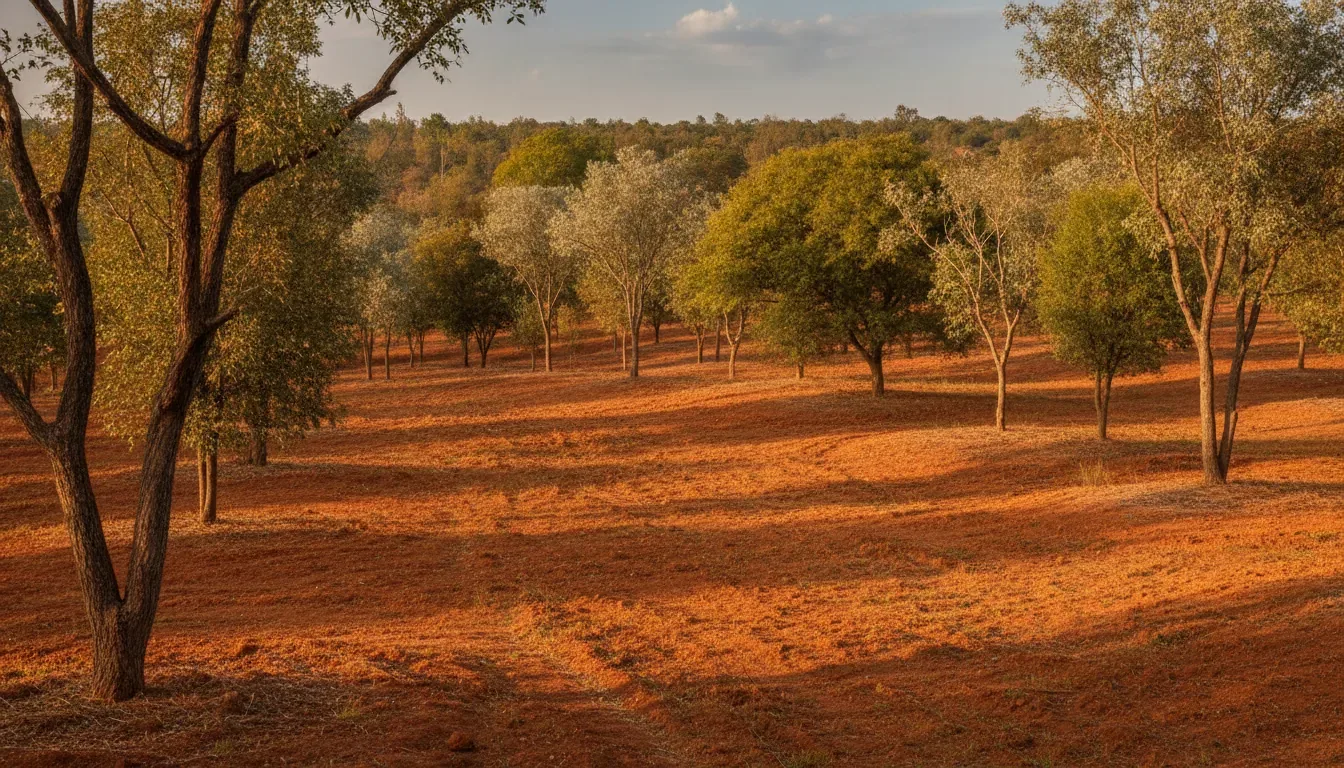
Andhra Pradesh is red sandalwood’s natural home because the tree is endemic to the state’s Eastern Ghats. It grows wild across the Seshachalam, Veligonda, Lankamala and Palakonda hill ranges, over roughly 5.83 lakh hectares in the Kadapa, Nellore, Chittoor and Prakasam districts.
Red sandalwood, Pterocarpus santalinus, is also called red sanders or lal chandan. Endemic means the species occurs naturally in this region and almost nowhere else, which is the substantive reason a page about red sandalwood in Andhra Pradesh is a real subject and not just a location tag. Beyond the core hill ranges, the tree does well in the red soils at the higher altitudes of the Eastern Ghats across Kadapa, Kurnool, Chittoor, Prakasam, Anantapur and Nellore.
Because the wild tree is under pressure from illegal felling, it carries formal protection. It was listed on CITES Appendix-II in 1995 and on the IUCN Red List in 1997. That protection sits behind every rule covered further down, and it is the reason cultivated farming is treated differently from the wild trees you may have seen in smuggling news.
Is red sandalwood farming legal in Andhra Pradesh
Yes, growing red sandalwood is legal in Andhra Pradesh on privately owned patta land, provided the saplings are registered with the forest department. The species itself is protected, listed on CITES Appendix-II in 1995 and the IUCN Red List in 1997, so felling, sale and export stay regulated.
The distinction that matters is wild versus cultivated. Wild red sanders is protected, and its unauthorised felling or transport is a serious offence, which is what most red sandalwood crisis reporting is about. Red sanders grown by you on private or patta land, from registered saplings, is a legitimate agricultural activity. The protection does not ban cultivation. It governs what happens at harvest and sale.
On export, the position has shifted in recent years. Wild red sanders carries a zero export quota. Only cultivated-origin wood from private or patta land may be exported, and only under a Restricted Export Authorisation, per DGFT Notification No. 47/2025-26 dated 4 November 2025.
LEGALITY AT A GLANCE
| Item | Position |
|---|---|
| CITES status | Appendix-II, listed 1995 |
| IUCN status | Red List, listed 1997 |
| Wild red sanders export | Zero export quota |
| Cultivated red sanders export | Permitted from private or patta land under a Restricted Export Authorisation (DGFT Notification 47/2025-26, 4 November 2025) |
| National export quota | 1,290 MT for 1 April 2025 to 31 March 2027 (Tamil Nadu 900, Andhra Pradesh 280, Gujarat 100, Karnataka 10) |
The rules read differently outside the state, and the full national picture belongs on a dedicated page. For that depth, see whether sandalwood farming is legal in India.
What growing conditions does red sandalwood need
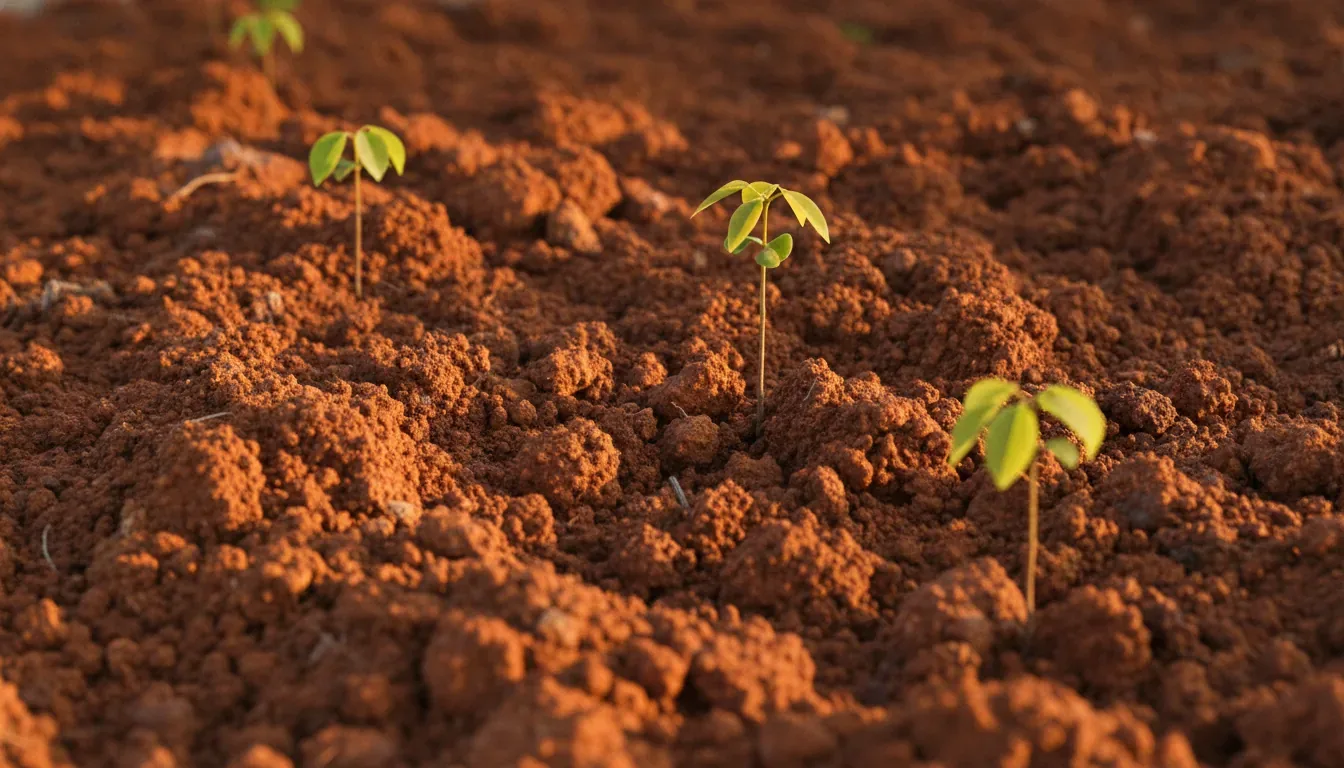
Red sandalwood needs well-drained red gravelly loam or laterite soil, a hot dry climate of roughly 35 to 45 degrees Celsius, and annual rainfall of about 800 to 1000 mm. It is commonly planted at 10×10 or 12×12 foot spacing, giving around 400 to 435 trees per acre.
The tree suits the dry, red-soil belt of the Eastern Ghats, which is one more reason the Andhra Pradesh districts named above are its heartland. It is not frost-tolerant, so cold pockets are unsuitable. Spacing is sometimes cited in metric as 4 metres by 4 metres, which works out to roughly 600 trees per hectare.
| Condition | Typical range |
|---|---|
| Soil | Well-drained red gravelly loam or red laterite |
| Climate | Hot and dry, roughly 35 to 45 degrees Celsius, not frost-tolerant |
| Rainfall | About 800 to 1000 mm a year |
| Spacing | 10×10 ft or 12×12 ft (also cited as 4 m x 4 m) |
| Trees per acre | Around 400 to 435 |
How is red sandalwood farmed, step by step
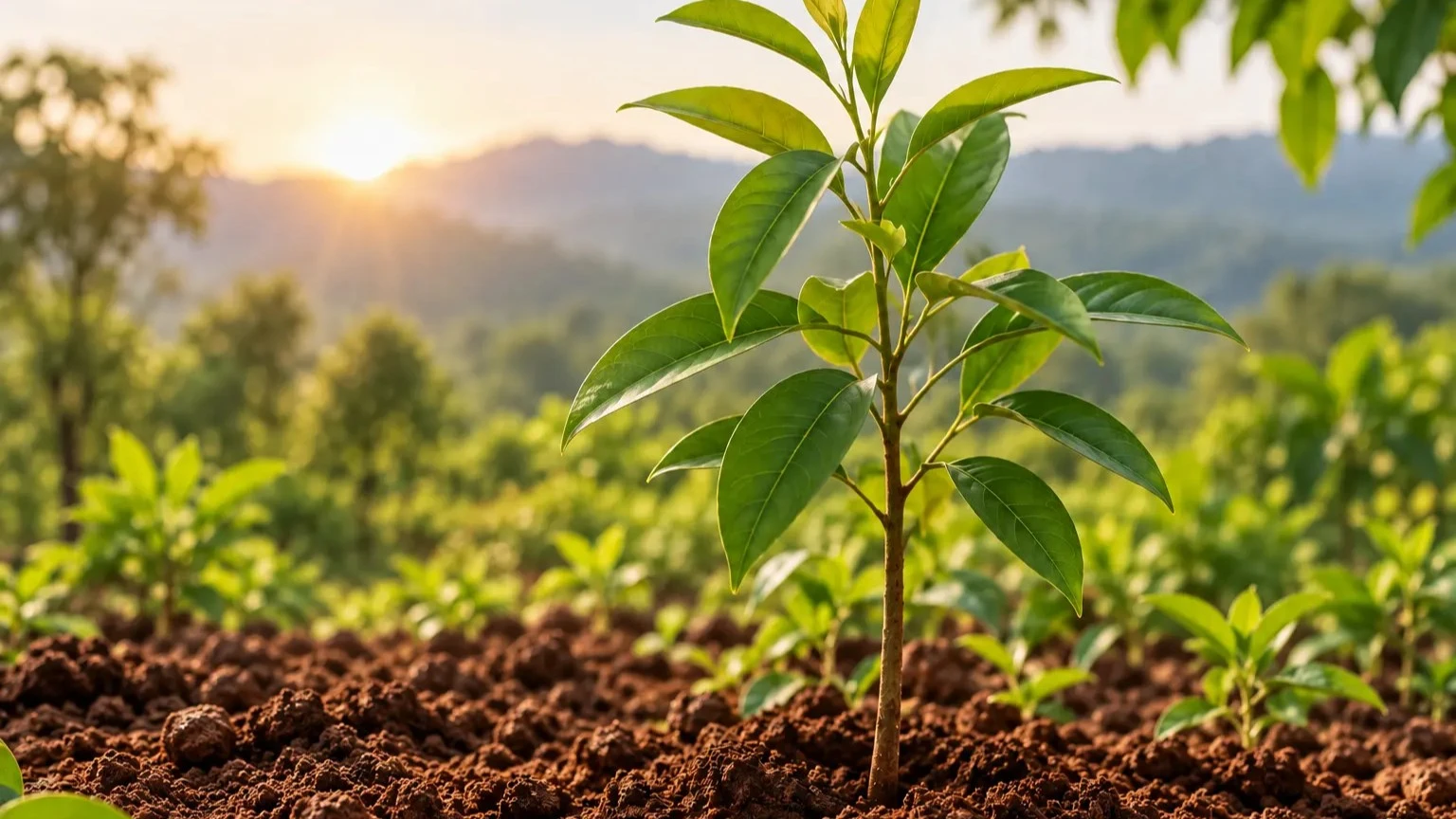
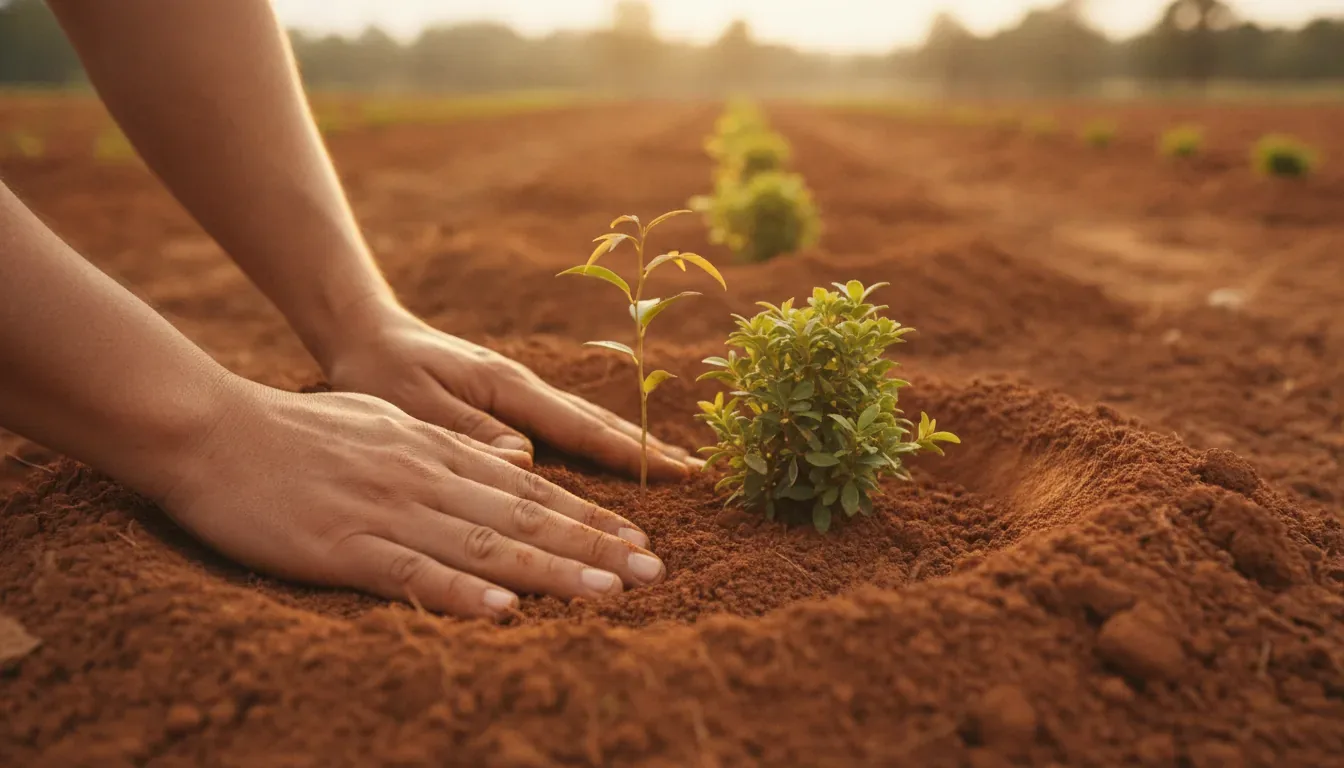
Red sandalwood is farmed by securing agricultural patta land, registering the saplings with the forest department, planting them at wide spacing, intercropping in the early years, and then maintaining the plantation through a maturation period measured in decades rather than years.
The practical sequence looks like this:
- Secure suitable land: Privately owned agricultural or patta land in a red-soil district, with clean title.
- Register the planting: Saplings are registered with the forest department, which is what later separates your cultivated trees from protected wild stock at harvest and sale.
- Plant at wide spacing: Around 400 to 435 trees per acre at 10×10 or 12×12 foot spacing.
- Intercrop early: Because the trees take so long to mature, growers often intercrop in the early years to use the land while the canopy is open.
- Maintain and wait: Routine upkeep over a very long horizon. The value sits in the heartwood, which forms slowly.
The single most important thing to carry from this section is the horizon, which is the next question.
How long does red sandalwood really take to mature
Red sandalwood takes far longer to mature than plot schemes suggest. Sellers often market 12 to 15 year harvest cycles, but quality heartwood botanically needs about 30 to 40 years, and one horticultural source puts full maturation at 50 to 60 years.
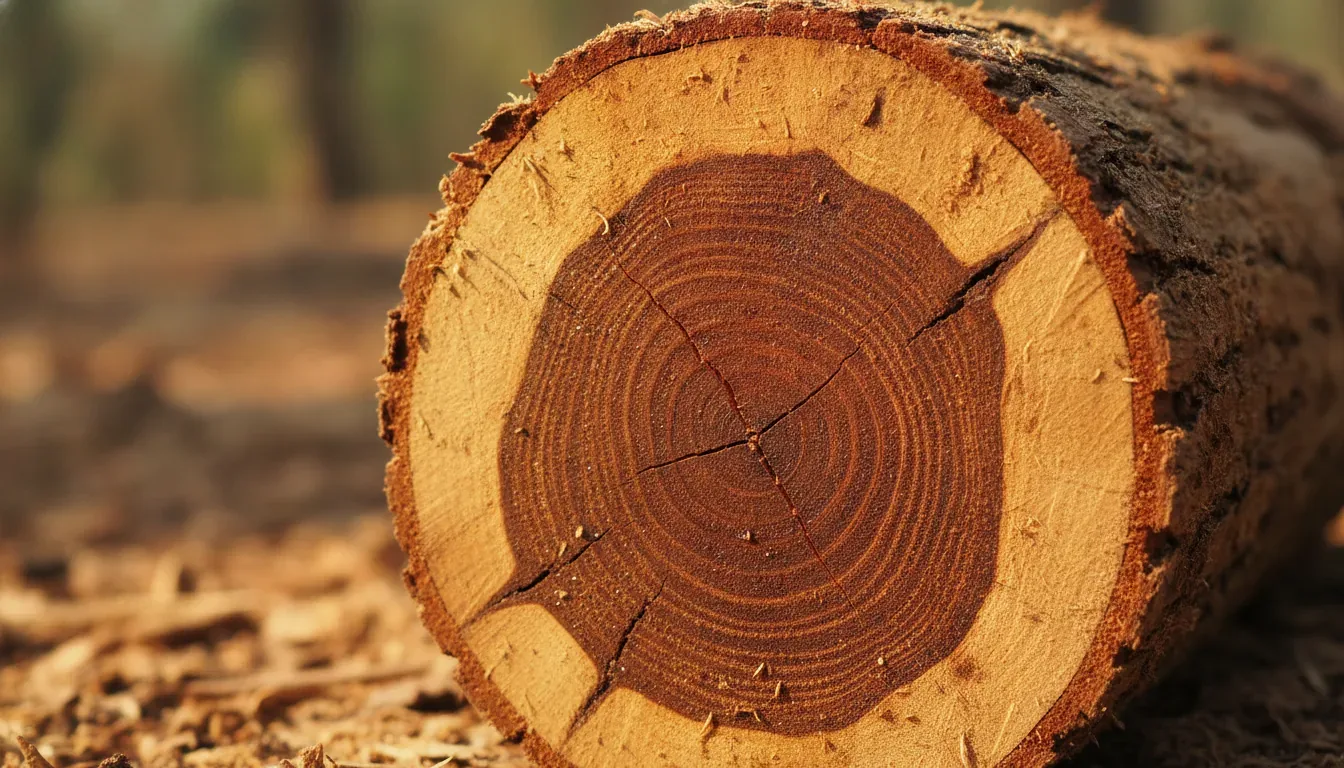
This gap is the heart of the subject. The marketed timeline and the botanical timeline are not the same number, and the difference is measured in decades. The commercial value of red sandalwood is in its dark heartwood, which forms and deepens slowly over the life of the tree. A tree at 12 to 15 years holds far less mature heartwood than a tree at 30 or 40. Any plan built on a short cycle is betting either on immature wood or on the timeline slipping well past what was advertised.
Hold this contrast in mind for every return figure and every scheme you read. It is the fact most page-one pages leave out. If you want the profitability side worked through in detail, see our guide on whether sandalwood farming is profitable in India.
Can you sell red sandalwood, and what is it worth
You can sell red sandalwood, but the sale is government-monitored, not open-market. Growing sandalwood on private land is legal, yet farmers cannot sell the harvested wood directly. A felling permit, a forest officer at harvest, and a transit permit to move the logs are all required.
In practice the state handles the sale. The wood is auctioned by the government on the grower’s behalf, and the grower is paid the proceeds after a fee, commonly cited as 80 percent to the grower after a 20 percent deduction. The exact procedure varies by state, so the district forest officer is the correct authority to confirm current rules.
Export is a separate channel. Only cultivated-origin red sanders from private or patta land may be exported, under a Restricted Export Authorisation, within the national quota of 1,290 MT for 2025 to 2027. Andhra Pradesh’s share is 280 MT.
On worth, treat all figures as volatile, regulated market context, never as a per-acre projection. Government heartwood rates have been cited around 6,500 to 7,500 rupees per kg. Internationally, red sanders has commanded roughly 50 lakh to 1 crore rupees per tonne, with the domestic market reported at less than half international rates. Prices move with quota, quality and demand. They are not a yield you can bank against a plot.
How do Andhra Pradesh’s red sandalwood plot schemes work, and how should you judge one
Andhra Pradesh’s red sandalwood plot schemes typically sell you a small managed plot, with the seller handling upkeep and promising a share of a future harvest. Judge one by asking four plain questions before any money changes hands.
A common structure marketed in this space is a small plot, sometimes a fraction of an acre with a fixed number of trees, sold with several years of free maintenance and a profit share, often framed as a 50:50 split of an eventual sale. Some listings advertise crore-scale returns over a 12-year horizon. Those are seller projections. Read them as what is being marketed, and weigh them against everything above.
FOUR QUESTIONS TO ASK BEFORE COMMITTING
- Whose name is on the title? Look for a registered deed and patta in your own name, conveying title to a specific surveyed parcel, not a share certificate or a promise.
- Who carries the risk? Ask who is legally responsible for forest-department registration, felling and transit permits, and what happens to your money if the scheme stalls.
- Is the timeline botanically honest? A 12 to 15 year harvest claim sits against a 30 to 60 year reality for quality heartwood. A realistic operator will not pretend otherwise.
- Is anyone promising a guaranteed return? Red sandalwood prices are volatile and government-regulated. Any assured or fixed return figure is a red flag, not a feature.
This is where Hasiru’s approach differs, and it is a difference of principle rather than pitch. Hasiru is a theme-based managed farmland company operating since 2021, with 300+ acres delivered and 250+ families. Every buyer receives individual ownership through a registered Sale Deed in their own name, conveying title to a specific parcel, with the plot individually surveyed and demarcated and the RTC, Encumbrance Certificate and khata mutation handed over. A formal management agreement, Hasiru Care, covers upkeep after the sale, and because the title is registered in the buyer’s name, the land stays theirs regardless of what happens to the company. Hasiru does not lead with speculative returns.
Red or white sandalwood – which is grown where
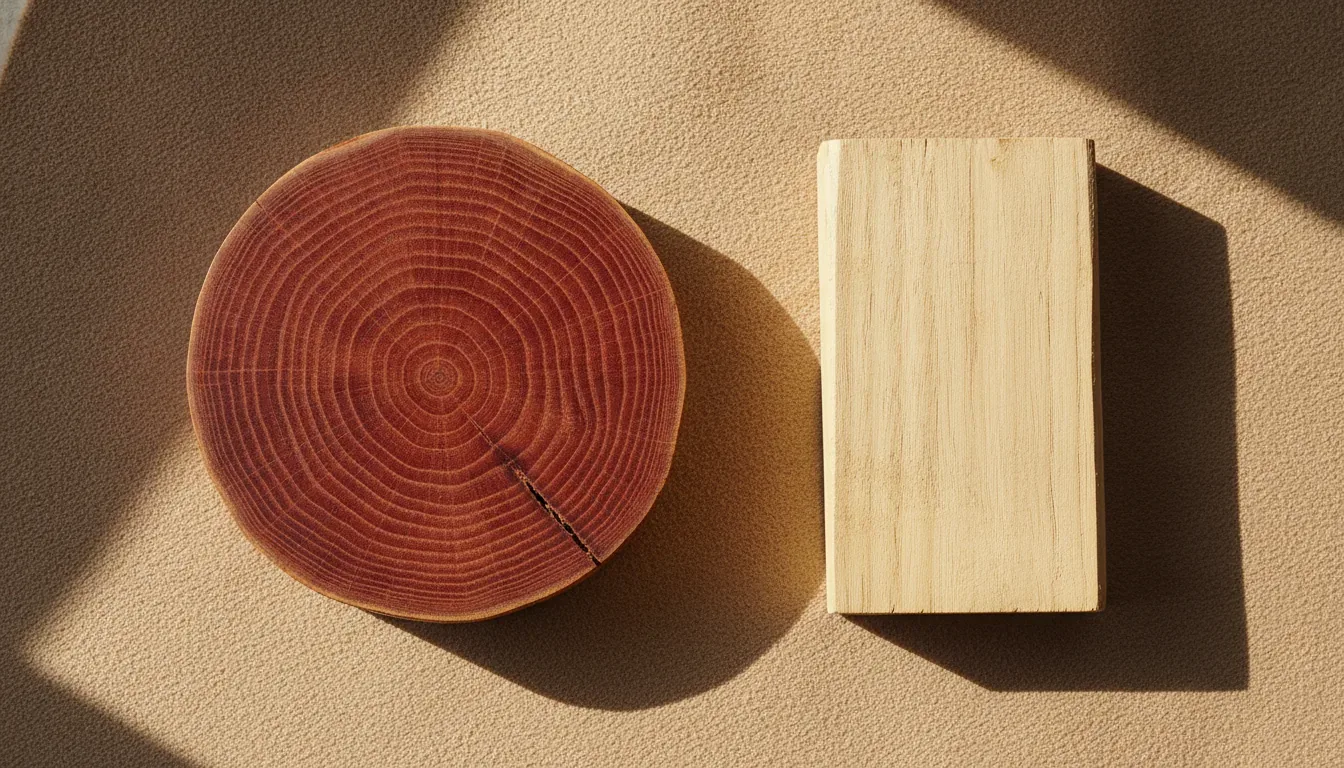
Red and white sandalwood are different species with different uses. Red sandalwood, Pterocarpus santalinus, is native to Andhra Pradesh and prized for its colour and medicinal use. White sandalwood, Santalum album, is grown more widely and prized for its aromatic oil.
The two are often confused, but they are botanically distinct and command different markets. For the full contrast, see how red and white sandalwood differ.
Frequently asked questions
Why is red sandalwood called illegal if farming is allowed?
The confusion is about wild versus cultivated trees. Wild red sanders is protected under CITES and the IUCN Red List, and felling or moving it without authorization is a serious offence, which is what smuggling news covers. Growing your own on private patta land, from registered saplings, is legal.
What is the price of red sandalwood per kg?
Government heartwood rates have been cited around 6,500 to 7,500 rupees per kg, but prices are volatile and regulated, moving with quota, quality and demand. Treat any single figure as market reference, not a fixed rate you can count on.
What is a 15 to 20 year old red sandalwood tree worth?
There is no fixed per-tree price. A tree’s value depends on its mature heartwood volume and quality, and the wood is sold through government auction, not the open market. Per-tree figures in scheme marketing are projections, not guaranteed prices.
What is one tonne of lal chandan worth?
Internationally, red sanders has commanded roughly 50 lakh to 1 crore rupees per tonne, with the domestic market reported at less than half that. These are volatile, quota-regulated figures, and they refer to bulk wood at market, not a return attached to any plot.
Is red sandalwood farming profitable?
It can hold real value, but over decades, through a regulated sale, and with no guaranteed return. Crore-per-acre figures in plot marketing are seller projections against an optimistic timeline. For the numbers worked through honestly, see the profitability guide linked above.
Do you need a permit to fell red sandalwood you have grown?
Yes. Even on your own land, harvesting needs a felling permit, is done with a forest officer present, and requires a transit permit to move the logs. Rules vary by state, so confirm the current procedure with your district forest officer.