Chikkaballapur is the cool, airport-close horticulture belt north of Bangalore, and it is one of the corridors buyers shortlist for a weekend farm with legacy value. It is a real place with real character: grape country, close to Nandi Hills, an easy run up NH-44. It also carries one honest catch that most listings skip, which is water, and getting that part right is what separates a good buy from a regret.
You own titled agricultural land in a cool, airport-adjacent horticulture belt while a managed team runs it for you. The corridor’s biggest question is water, because Chikkaballapur is semi-arid and groundwater-dependent, so honest due diligence matters more here than in most corridors around Bangalore.
Table of Contents
Where is the Chikkaballapur corridor, and how far is it from Bangalore and the airport?
Chikkaballapur town sits about 60 km north of Bangalore, roughly 1.5 to 2 hours by road via NH-44 (Bellary Road) through Devanahalli, and it is close to the airport, about 30 to 40 km from Kempegowda International Airport. That airport adjacency is the corridor’s defining logistical feature.
The practical picture matters more than the headline distance. On a weekday, NH-44 through Devanahalli carries airport and industrial traffic, so plan for the longer end of that range. On a weekend morning, the same run is calmer and the drive is genuinely pleasant. For anyone who flies often, or for family arriving from outside the city, being close to the airport is a real, everyday convenience rather than a marketing line.
Nandi Hills sits in the same district, about 10 km from the town and roughly 1,478 m at its peak, which is why the whole belt runs a few degrees cooler than the city below.
What is the land and climate like in Chikkaballapur?
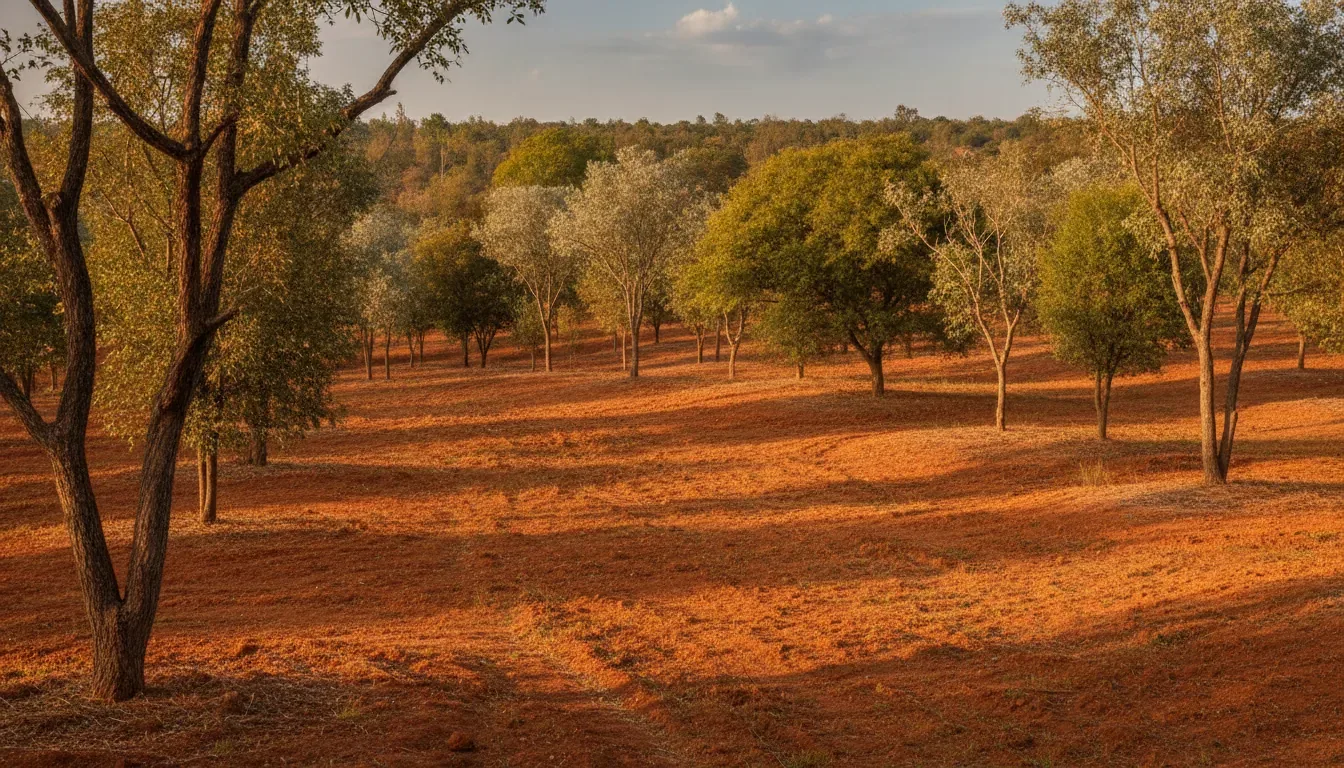
Chikkaballapur is cool, elevated horticulture country. The proximity to the Nandi Hills range gives the belt a milder microclimate than central Bangalore, and the district has a long horticultural history, which is why grapes, figs, mango and vegetables all do well here.
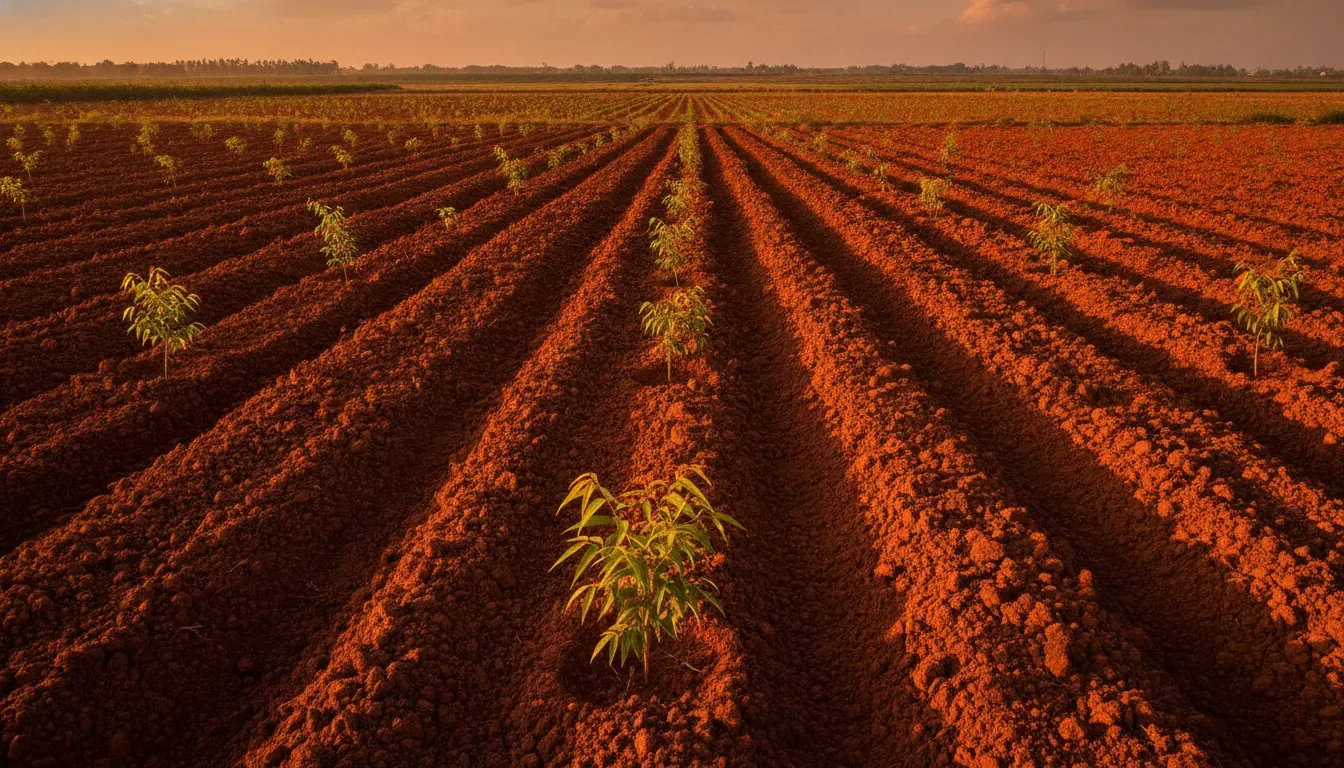
On geology, the honest position is that this belt sits on hard-rock, granitic-gneiss terrain. That has a direct bearing on water, which the next section covers, and it is the single most important physical fact about the land here. On soil specifically, do not take any listing’s word for it: soil varies plot to plot, so a proper soil test on the actual parcel is part of sensible due diligence rather than something to assume from a brochure.
The climate is the quiet selling point. A cooler belt within a two-hour drive of the city is rare, and it is what makes the corridor attractive for a weekend place you actually want to spend time on.
Is water a concern in Chikkaballapur, and how do you protect yourself?
Yes, water is the number-one thing to check in Chikkaballapur. The district is semi-arid with no perennial surface river, so groundwater is effectively the only source, and that groundwater is heavily over-exploited. On hard-rock aquifers like this one, borewell success is not guaranteed and failure rates are meaningful, because yield depends on hitting fractures in the rock that are difficult to predict.
There is a quality dimension too. Parts of the wider belt show groundwater-quality concerns such as elevated fluoride and nitrate in places, which is a further reason to test, not assume. None of this makes the corridor a bad buy. It makes water the thing you engineer for deliberately rather than hope about.
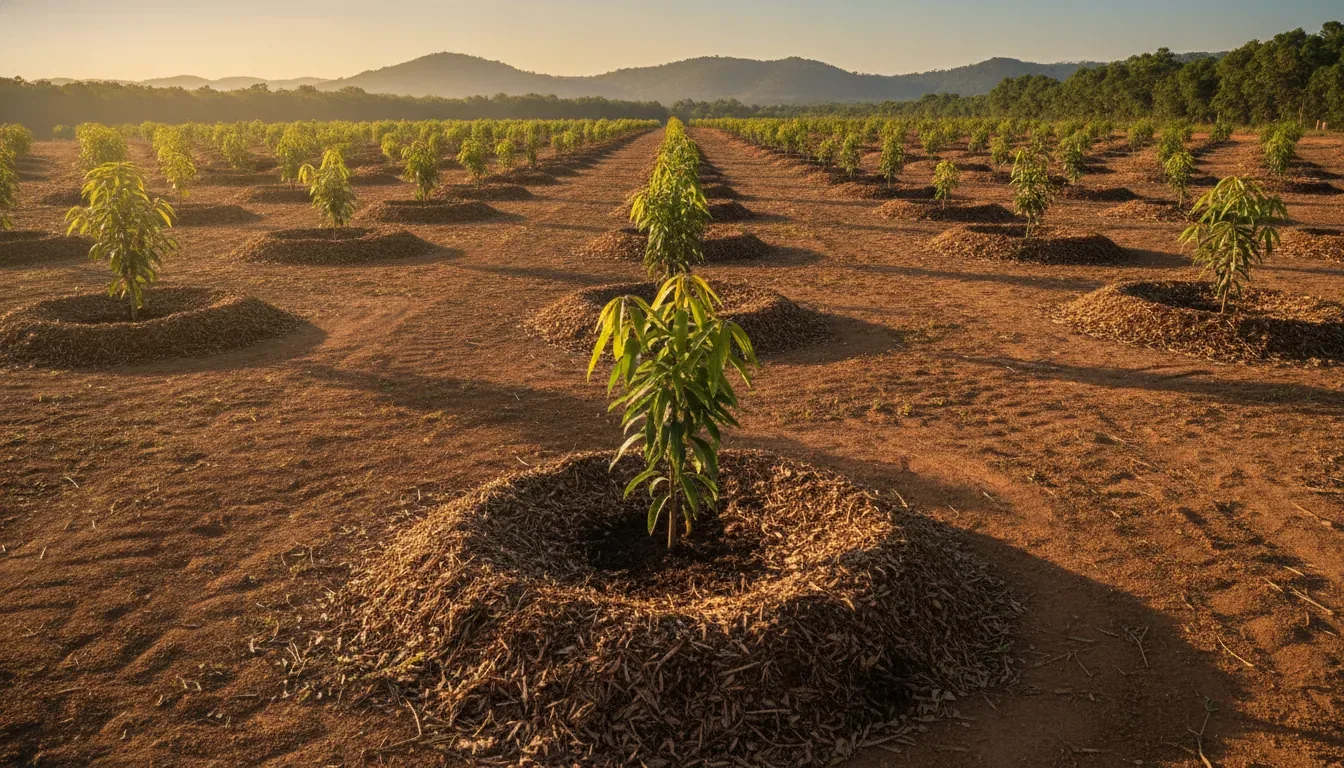
This is where a managed model earns its place. Hasiru’s managed approach covers land selection, water conservation and infrastructure, plantation, and day-to-day operations under a formal management agreement, so the water problem is treated as an engineering task: careful borewell siting, rainwater harvesting, storage, and drip irrigation rather than a single borewell and crossed fingers. The right question to ask any operator here is specific: show me the water infrastructure on this parcel and how it is maintained. Verify it on the ground before you buy.
What can you grow and do on Chikkaballapur farmland?
Chikkaballapur is proper horticulture country, so grapes, figs, mango, and a range of vegetables all suit the belt, and orchards do well in the cooler climate. The Nandi belt has a long horticultural pedigree, and the district’s grape-growing reputation is well established.
Beyond what grows, this is about how you use the place. The cool weather and airport proximity make it a genuine weekend destination: somewhere to bring family, host over a Saturday, and watch a planted plot mature over the years. The value here is the place itself and what it becomes for your family over time, a real, cared-for piece of land you belong to, rather than any promise of income.
Which Hasiru project is nearest the Chikkaballapur corridor?
Hasiru’s delivered, on-ground corridors are Kanakapura, Sakleshpur and Ramanagara, so the most useful way to evaluate Chikkaballapur is to bring Hasiru’s managed model and its due-diligence discipline to the corridor you are considering, rather than assume a project sits in this exact belt.
What travels across corridors is the method, and that is what matters most in a water-sensitive belt like this one: individual title checks on RTC, EC and mutation, water infrastructure engineered and verified, and a formal management agreement that keeps the land cared for between visits. The clearest next step is to see how that model works on delivered land and to bring the same questions to any Chikkaballapur parcel. You can explore all Hasiru projects or book a site visit to walk delivered land and see the standard for yourself.
What should you check before buying farmland in Chikkaballapur?
Check the title, the water, and the drive, in that order. Title first, because it is the foundation, then water, because it is this corridor’s specific risk, then the real-world commute, because a weekend farm you never reach is not worth owning.
- Title and records: confirm the RTC, encumbrance certificate (EC) and mutation, and that you receive individual ownership through a registered Sale Deed in your own name.
- Water infrastructure: ask to see the borewell, storage, rainwater harvesting and drip setup on the actual parcel, and how it is maintained, given the corridor’s groundwater stress.
- Drive test: do the run once on a weekday and once on a weekend, so you know the honest travel time both ways.
For the full corridor-by-corridor due-diligence drill, compare Bangalore’s farmland corridors.
Frequently asked questions
What is the price of 1 acre of land in Chikkaballapur?
Prices vary widely by exact location, road access, water and whether the land is managed or raw, so any single number is misleading.
Is Chikkaballapur a good place to buy managed farmland?
It suits a buyer who wants a cool, airport-close weekend farm with legacy value, and who is willing to do proper water due diligence. It is a lifestyle-and-legacy corridor, not a returns product, and it rewards buyers who check title and water carefully.
Is water reliable in Chikkaballapur?
Water is the corridor’s main constraint. It is a semi-arid, groundwater-dependent belt with over-exploited aquifers and real borewell-failure risk, so reliable water comes from engineered infrastructure such as careful borewell siting, rainwater harvesting, storage and drip, verified on the specific parcel.
Can I build or stay on Chikkaballapur farmland on weekends?
The corridor’s cool climate and airport proximity make it well suited to weekend use with family. What you can build and how you can use the land depends on the specific project and its rules, so confirm the usage terms for the parcel you are considering before you buy.
How far is Chikkaballapur from the airport?
Chikkaballapur town is roughly 30 to 40 km from Kempegowda International Airport and about 60 km from Bangalore city, around 1.5 to 2 hours by road via NH-44 through Devanahalli, depending on the day and traffic.
Who is Hasiru Farms?
Hasiru Farms is a managed farmland company operating in corridors around Bangalore, offering individually titled agricultural land with a managed-care model.