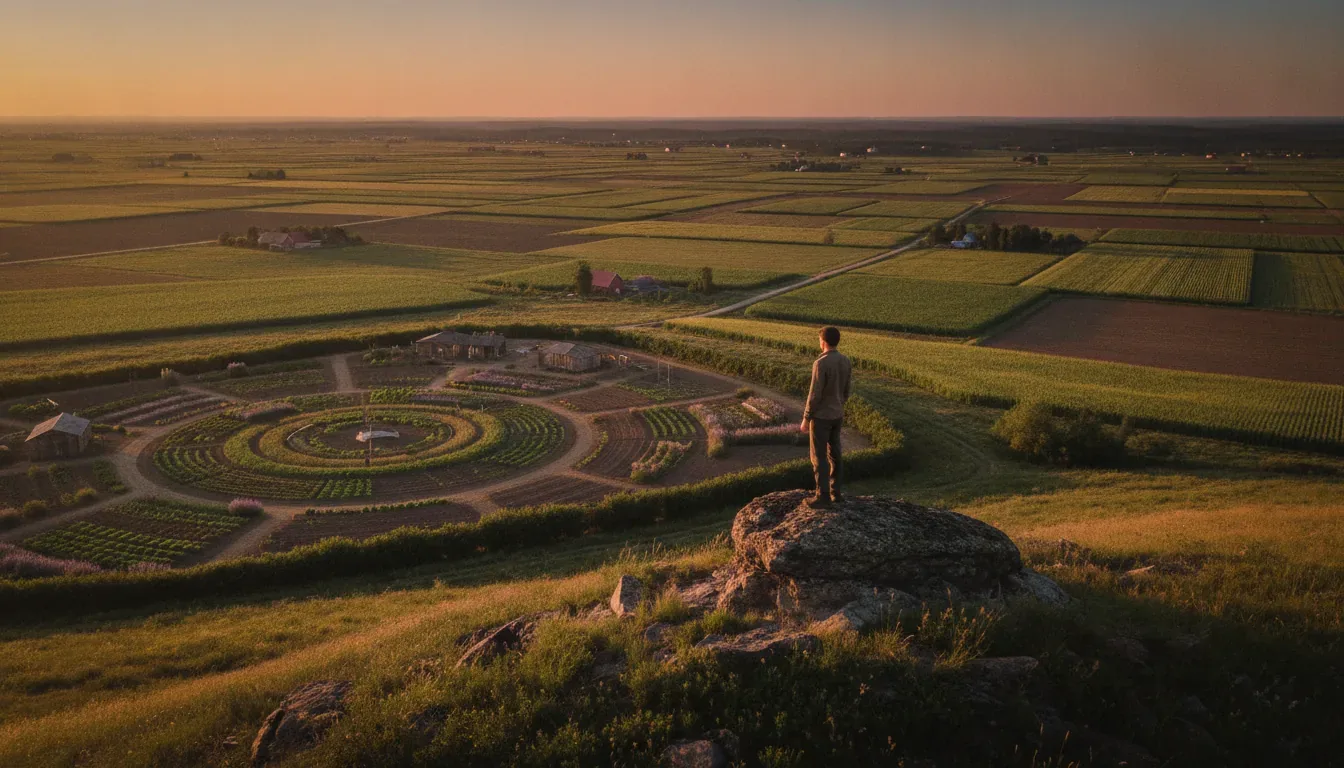
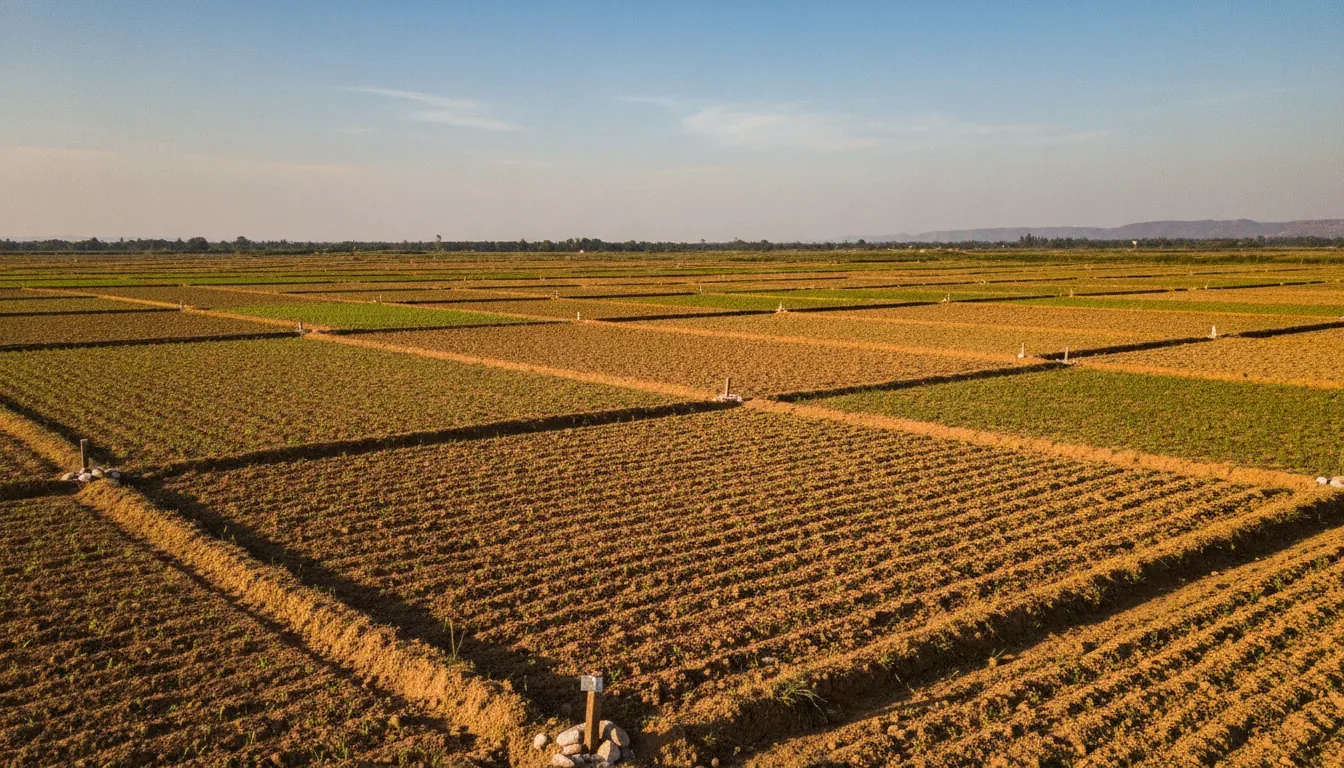
Across cultures and continents, one thing has remained constant for thousands of years. People celebrate the harvest. Long before there were calendars or apps to tell us the date, human life followed the seasons. And when the fields turned golden, when grain filled the storerooms and fruit bent the branches, it was time to pause and give thanks.
That’s where harvest festivals began.
In every part of the world, these celebrations are different in name but similar in spirit. They mark a turning point. A moment to breathe, to rejoice, and to honour the hard work it took to feed a community.
In India, this takes many names. In Punjab, it’s Lohri. In Gujarat, it’s Uttarayan. In Tamil Nadu, it’s Pongal. In Assam, they call it Magh Bihu. And in much of central and southern India, it’s celebrated as Sankranthi.
But for the farmers who live by the rhythms of the land, especially in Karnataka and other parts of South India, this festival carries a name that feels closer to the soil. Suggi.
A word that simply means harvest.
Let’s take a walk through the roots of Suggi and discover why this festival means something deeper, especially if you’re someone who’s interested in agriculture or curious about the land.

Table of Contents
So Why Does Suggi Happen in January?
Unlike most Indian festivals that follow the moon and shift around, Sankranthi is a solar festival. It always comes around mid-January, marking the Sun’s entry into Makara, or Capricorn. That’s the astronomy part.
For farmers, January means one big thing. The harvest is here.
Sugarcane stands tall and sweet in the fields. Pulses, oil seeds, groundnuts — they’ve all ripened and are ready to be collected. This is the season when all the planning, sowing, watering, and waiting finally pays off.
So while some people celebrate with family gatherings and sweets, in the heart of farmland, this is pure joy. It’s the season of return. Of reward. That’s why it’s Suggi, the farmer’s festival.
The Real Stars of Suggi: Cows, Bulls, and Buffaloes
In cities, pets might get a spa day. On farms during Suggi, cattle get the royal treatment.
They’re bathed, decorated with bright paints and flower garlands. Their horns are colored. Bells are tied around their necks. It’s not just about making them look pretty. This is a form of deep respect because these animals are partners in farming.
Now here’s something you might have heard about or even seen. Cattle jumping over small fires.
Sounds dramatic? It has a purpose. The smoke and heat help kill off pests and ticks. It’s both practical and ceremonial. Locally, this tradition is known as “kichchu haisuvudu.” It’s a way of sanitization and also honoring the animals before the next farming cycle begins.
And Then Come the Goodies: Ellu, Bella and the Sweet Logic
Every South Indian household during Sankranthi has some version of the holy combo: sesame seeds, jaggery, coconut, groundnuts, and maybe sugarcane.
Now here’s the fun part. These aren’t just festive snacks. They all have a reason behind them.
Sesame and jaggery? Both warm your body in winter. Sesame is full of good fats that keep your skin and energy levels in check during cold, dry months. Jaggery helps with heat and digestion.
Groundnuts and coconuts? Both are oil-rich and perfect for dry skin. Again, this isn’t just sweet tooth tradition. It’s seasonal science passed down generations.
And sugarcane? That’s the headliner crop of this harvest season. Sweet, juicy, and straight from the farm.
Even the way people share Ellu-Bella is layered with meaning. In Karnataka, there’s a saying: “Ellu Bella thindu, olle maathadi.” Eat sweet, speak sweet. A way of saying, let’s begin the year with kindness.
Sankranthi Is Farming’s Big KPI Moment
Let’s be real. If you’re an IT professional or urban dweller looking at farmland as an investment or dream escape, Suggi might seem like a distant thing.
But think of it this way. A farmer spends all year tracking inputs: seeds, soil quality, rainfall, costs, animal health. Harvest time is the review. The report card. The moment you see if everything paid off.
It’s kind of like a quarterly release or shipping a product after months of work.
So even if you’ve never sown a seed, this festival has something to teach. Patience. Timing. Resilience. And above all, gratitude.

More Than Rituals, It’s a Feeling
Beyond the crops and cattle, Suggi is a celebration of rhythm… of aligning with the seasons, with community, and with nature.
In villages, the atmosphere turns festive in the most grounded way. Kids go house to house collecting Ellu-Bella. Cows walk the streets with bells around their necks. Neighbors exchange home-cooked sweets and stories. And up in the sky, kites dance in the winter sun.
Flying kites might seem like simple fun, but there’s a deeper layer to it. This early morning tradition was actually a quiet form of heliotherapy. After months of shorter days, the idea was to step outside, soak in the gentle sunlight, and help the body naturally produce vitamin D. It boosted immunity, lifted moods, and prepared people for the season ahead.
Science hiding in plain sight. Woven right into tradition.
Suggi reminds us what it means to be grounded. To pay attention to the season. To pause and say, this year, nature showed up for us.
So What Does This Mean for You?
If you’ve ever dreamed of owning farmland or are already part of the Hasiru Farms family, Sankranthi is your festival too.
It’s your invitation to connect deeper with the land. To understand the cycles that feed us. To see farming not just as a weekend getaway, but as a rhythm worth syncing with.
Even if your weekdays are filled with code and calls, your roots know this joy. The joy of harvest. Of giving thanks. Of feeling part of something older than any calendar.
Sankranthi is a calendar date. But Suggi? That’s a heartbeat.
It’s when the land says, “We made it through.”
And the farmer replies, “Thank you.”
So wherever you are, take a moment this Sankranthi to taste a bit of the season, to think of the fields, and to feel the rhythm that makes us all a little more human.