Introduction
Bangalore’s rapid expansion has created a unique investment corridor where urban convenience meets rural tranquility. Among its many emerging asset classes, managed farmlands near Bangalore have become a preferred choice for investors seeking both financial and lifestyle returns. These projects combine tangible land ownership with professional agricultural management, allowing investors to benefit from appreciation, crop yields, and the serenity of green spaces without the burden of daily farm operations.
Unlike traditional real estate, where value is driven only by location and infrastructure, managed farmland investments derive strength from multiple layers—soil productivity, water resources, plantation strategy, and long-term sustainability. The concept appeals not just to investors but also to those desiring a weekend retreat or an environmentally conscious asset that generates income. Bangalore’s growth corridors, particularly areas like Kanakapura Road, Mysore Road, and Doddaballapur, have evolved into hotspots where infrastructure, accessibility, and natural settings align perfectly for farmland development.
Hasiru Farms Parva, located in the scenic Kanakapura region, represents this new generation of managed farmland projects. It integrates professional management, eco-centric design, and community living within an investment-ready model. For investors evaluating options near Bangalore, Parva exemplifies how managed farmlands are reshaping traditional notions of rural property ownership.
The following sections explore five major reasons why investing in farmlands near Bangalore, particularly in professionally managed communities like Hasiru Farms Parva, is gaining traction among urban investors. From strategic location advantages and long-term appreciation potential to legal clarity and sustainability, each factor reveals how this segment is redefining secure and meaningful land investment in southern India.
Key Takeaways
- Peri-urban zones around Bangalore, especially Kanakapura, offer exceptional value growth and accessibility.
- Managed farmland models combine tangible land assets with professional agricultural management for passive ownership.
- Investment benefits extend beyond appreciation to include agrarian yield, agro-tourism, and wellness experiences.
- Karnataka’s legal framework allows transparent, compliant ownership for non-farmers.
- Hasiru Farms Parva showcases a credible, sustainable, and community-driven farmland experience.
Table of Contents
Location Advantage: Peri-Urban Farmlands near Bangalore
Farmland investments thrive when accessibility and natural quality intersect. The outskirts of Bangalore, particularly the Kanakapura corridor, exemplify this balance. Located within a two-hour drive from the city’s key business districts, Kanakapura offers proximity without congestion. The area’s infrastructure growth widened highways, proposed metro extensions, and improved connectivity to Mysore and Hosur has accelerated interest among urban investors seeking both short- and long-term returns.
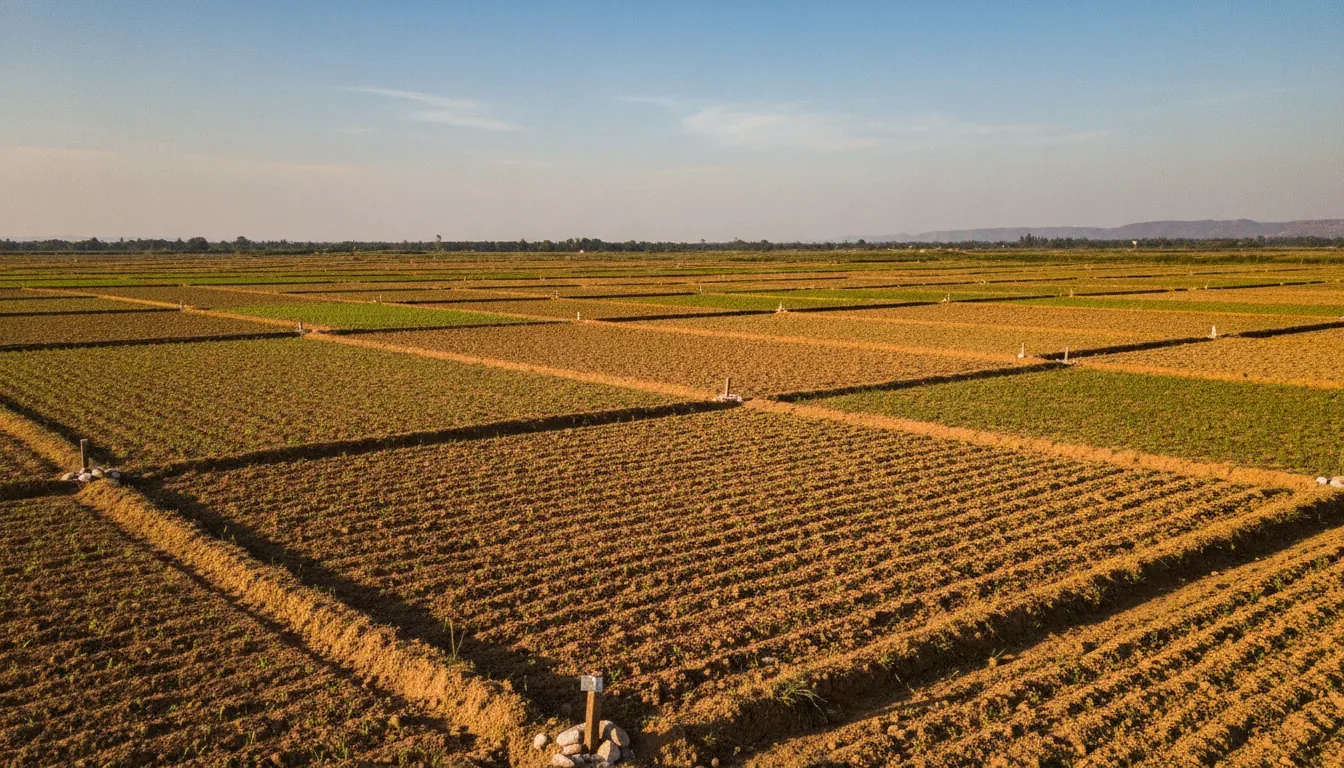
Kanakapura’s microclimate, abundant rainfall, and fertile red loamy soil create favorable agronomic conditions for plantations such as sandalwood, mango, and teak. These attributes give farmlands in the region a dual advantage: agricultural productivity and consistent land appreciation. Projects like Hasiru Farms Parva have capitalized on this potential by developing managed farmlands that are not isolated plots but integrated ecosystems equipped with water management, plantation design, and recreational amenities.
Beyond economics, location plays a psychological role. The weekend-retreat appeal of farmlands near Bangalore adds lifestyle value. Investors often treat these lands as second homes a place for family time, digital detox, and nature immersion. The proximity to eco-tourism destinations like Sangama and Chunchi Falls further increases the recreational appeal of Kanakapura’s farmland belt.
Accessibility defines future value. Farmlands located 40 to 70 kilometers from Bangalore strike the ideal balance close enough for frequent visits, yet far enough to retain affordability and greenery. For investors evaluating entry points, this radius provides a sweet spot where urban expansion and rural calm converge.
Projects like Parva illustrate how location transforms farmland into a versatile investment, delivering consistent growth potential and lifestyle utility. The combination of planned infrastructure, fertile environment, and sustainable development ensures these properties remain valuable assets within Bangalore’s evolving real estate landscape.

Professional-Managed Farmland Model for Hassle-Free Ownership
Traditional farmland ownership often demands significant time, agricultural expertise, and operational oversight. Managed farmland projects eliminate these barriers by introducing professional management frameworks where specialists handle cultivation, irrigation, and maintenance while owners retain full property rights. This hybrid model appeals to urban investors seeking a passive yet transparent entry into agriculture-based assets.
In a managed farmland ecosystem, the relationship between investor, management entity, and the land itself is clearly structured. The management company oversees everything—from soil testing and plantation design to crop rotation, pest control, and yield tracking—while the investor receives periodic updates and financial summaries. The outcome is a consistent experience that merges land appreciation with predictable operational results.
Projects such as Hasiru Farms Parva exemplify this structure. Each plot is integrated within a community where agronomy teams cultivate sandalwood and fruit trees using sustainable, data-backed methods. Irrigation systems, organic composting, and controlled intercropping ensure balanced soil health and yield stability. For investors, this translates into ownership without the day-to-day complexity of farming.
Managed farmland ownership also offers security through centralized governance. Transparent maintenance agreements outline cost inclusions, escalation clauses, and performance accountability. Buyers know exactly how the land is utilized, what crops are grown, and when they can expect harvest or resale potential. The model supports passive investors while still allowing optional participation—owners can visit, engage in planting activities, or even use the plots for weekend recreation.
In Bangalore’s context, managed farmland is evolving from a niche investment into a mainstream portfolio asset. It merges the tangibility of real estate with the regenerative potential of agriculture. As land scarcity within city limits grows, such projects redefine how people connect with land—shifting ownership from purely speculative to sustainable and experiential.
Investment Potential: Land Appreciation and Passive Income Streams
Farmlands near Bangalore combine tangible land security with multi-dimensional income potential. Unlike conventional real estate, which relies mainly on location and built infrastructure for appreciation, farmland value compounds through both land appreciation and agrarian productivity. The southern corridors of Bangalore, especially around Kanakapura and Ramanagara, have recorded steady increases in land value driven by road connectivity, tourism growth, and restricted land availability near the urban core.
Appreciation trends typically range between 10–20% annually depending on development proximity, soil quality, and zoning compliance. As Bangalore continues to sprawl outward, agricultural zones situated within 60–80 kilometers of the city gain premium status. Managed farmland projects amplify this appreciation by adding organized community infrastructure, professional crop management, and water security systems—all factors that elevate a rural asset into an investment-grade product.
Beyond capital appreciation, passive income from managed farmlands introduces long-term yield stability. In the case of projects like Hasiru Farms Parva, the plantation design integrates sandalwood and fruit-bearing trees, allowing for multiple income cycles. Sandalwood’s high market value at maturity complements shorter-term fruit yields, creating staggered cash flow across the ownership period. This dual structure minimizes idle capital and transforms farmland into a performing asset.
Additionally, managed farmlands present agro-tourism and lease-based income opportunities. Investors can host curated farm stays or wellness retreats, leveraging proximity to Bangalore’s urban base and growing weekend tourism. Tax benefits under Karnataka’s agricultural income exemptions further enhance post-return performance, making these assets financially efficient compared to standard urban plots.
For many investors, farmlands now represent diversification with purpose—an asset backed by land, sustained by nature, and supported by professional management. Projects like Parva demonstrate that when agriculture and real estate converge strategically, they deliver consistent, transparent, and inflation-resistant returns.

Legal Clarity and Regulatory Access for Buyers in Karnataka
Legal transparency is one of the most decisive factors influencing investor confidence in farmland projects. Karnataka’s regulatory environment has evolved significantly, especially following the 2020 amendment to the Land Reforms Act, which removed restrictions preventing non-farmers from owning agricultural land. This reform opened opportunities for professionals, entrepreneurs, and urban residents to legally acquire farmland without requiring agricultural lineage certificates.
Despite this liberalization, compliance remains critical. Prospective buyers must verify ownership documents such as the RTC (Record of Rights, Tenancy, and Crops), title deeds, encumbrance certificates, and survey maps to ensure the property is free from disputes. Projects that proactively manage these verifications reduce acquisition risk for buyers.
Managed farmland developments, like Hasiru Farms Parva, typically operate within clearly demarcated agricultural zones while ensuring legal frameworks are met. They handle document validation, conversion permissions (if required for construction of eco-amenities or farmhouses), and collective maintenance agreements, thereby shielding owners from procedural complexity. For investors, this managed compliance model is often the difference between risk and reassurance.
A recurring question among potential buyers concerns the legality of building farmhouses on agricultural land. Under Karnataka’s zoning guidelines, construction is permitted for genuine agricultural use and low-density eco-living structures, provided they adhere to the permissible floor area ratios and maintain agricultural purpose as the core land use. Responsible projects integrate such frameworks transparently, balancing lifestyle and compliance.
Legal due diligence checklists in managed farmland projects now mirror those of urban real estate transactions—clear titles, documented maintenance obligations, registered sale deeds, and verifiable project layouts. This standardized approach helps farmland investments move from informal to institutional-grade assets, suitable for long-term holding and portfolio diversification.
By prioritizing legal clarity and transparent ownership models, projects like Hasiru Farms Parva set new benchmarks for reliability in farmland investment. Investors gain both security and peace of mind, knowing their assets comply fully with Karnataka’s evolving land governance ecosystem.
Lifestyle and Sustainability: Ethical Ownership with Purpose
Investing in farmland today extends beyond financial objectives. For many urban professionals, it represents a personal reconnection with nature and sustainable living. The rise of managed farmlands around Bangalore coincides with a growing desire for wellness-focused, environmentally responsible ownership. This movement positions farmland not only as an appreciating asset but also as a sanctuary of balance and ecological contribution.
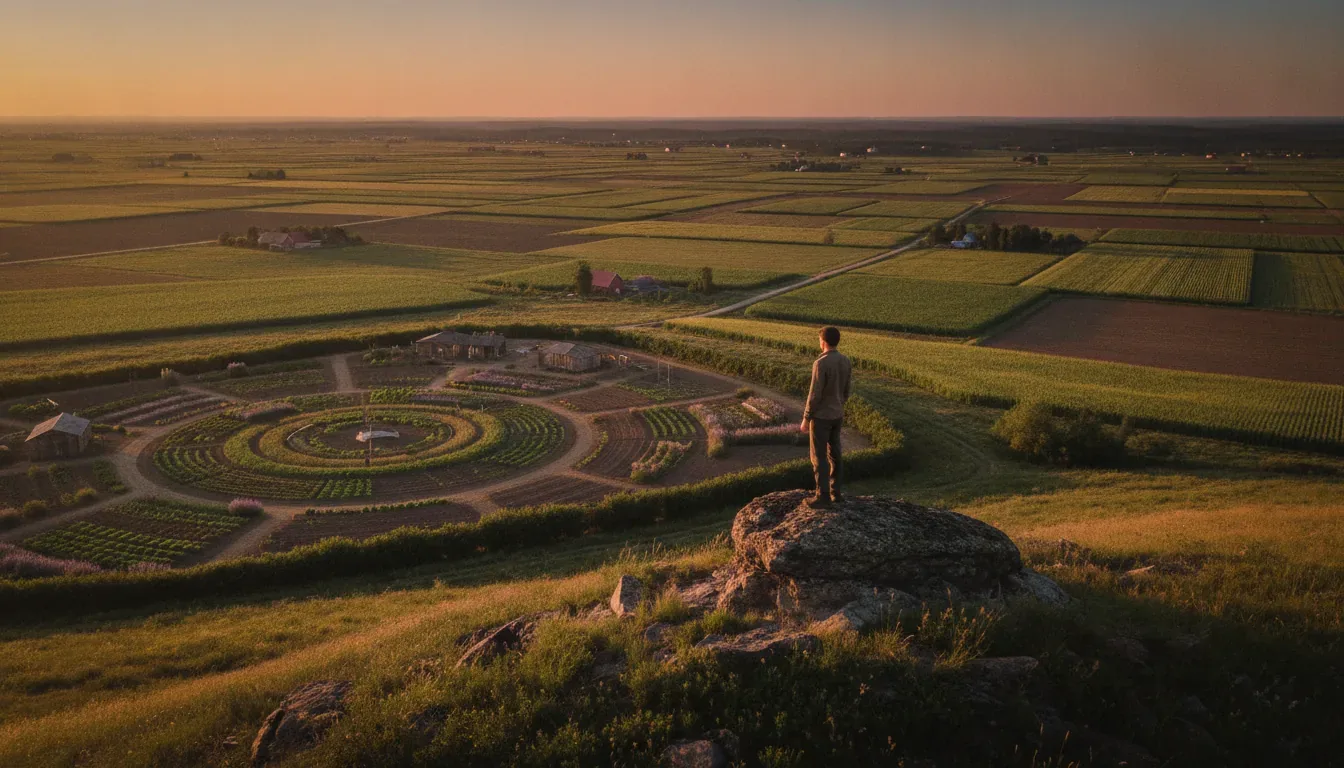
Managed farmland communities integrate design elements that encourage outdoor living and eco-friendly recreation. At Hasiru Farms Parva, plantations of sandalwood and fruit trees coexist with walking trails, natural water features, and open landscapes designed for low environmental impact. The result is a living environment that aligns wealth creation with ecological preservation.
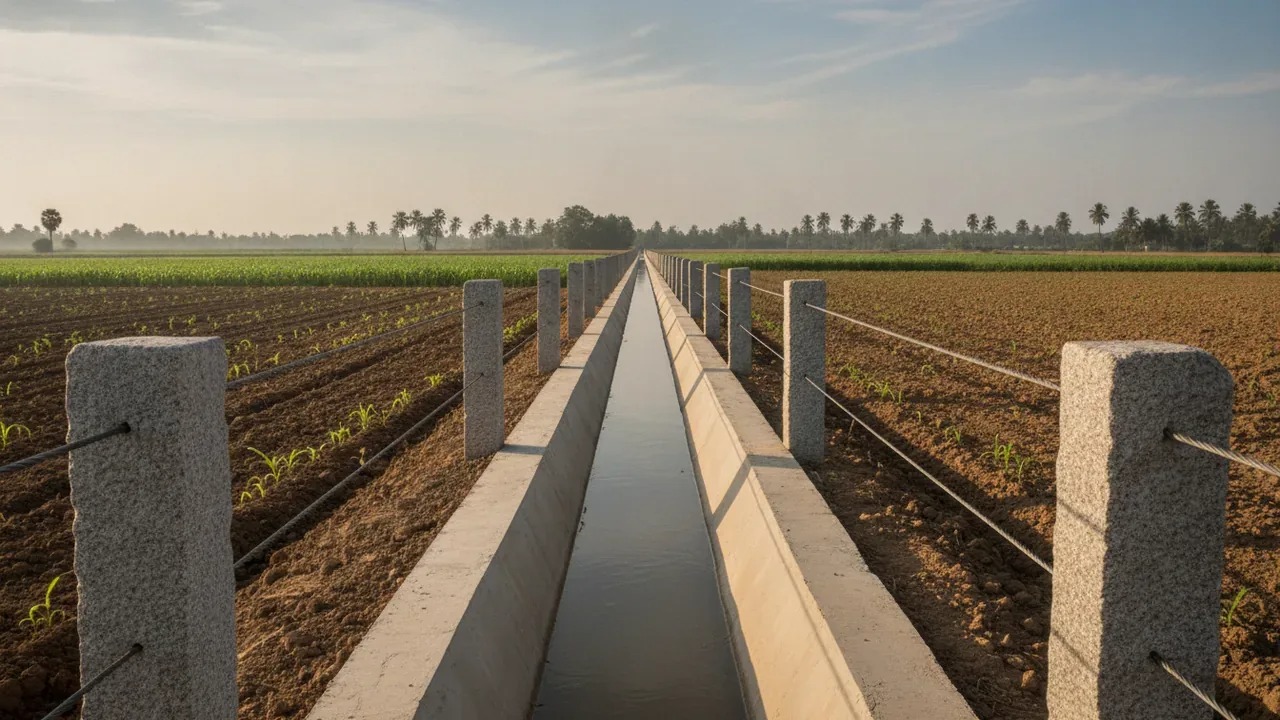
Sustainability extends beyond surface greenery. Modern managed projects adopt rainwater harvesting, drip irrigation, organic composting, and soil regeneration programs. These measures sustain fertility while minimizing external resource dependence. For investors, this translates into responsible ownership—a way to contribute to environmental recovery while building generational assets.
Lifestyle integration remains another major attraction. Farmland ownership enables weekend escapes from urban congestion, family gatherings in nature, and participation in community farming or harvest events. Many investors perceive these spaces as hybrid assets: part second home, part income generator, and part ecological contribution. The intangible returns—peace, wellbeing, and connection—add layers of satisfaction beyond financial metrics.
For Bangalore’s expanding population, sustainable farmland ownership represents a counterbalance to high-density urban life. Projects like Parva exemplify how modern land investment can merge profit with purpose. By focusing on biodiversity, water management, and responsible community engagement, such developments redefine farmland as a forward-looking lifestyle choice—rooted in land, guided by stewardship, and rewarding in every sense.
Frequently Asked Questions about Farmland Investment near Bangalore
Q1. Can non-farmers buy agricultural land near Bangalore in 2026?
Yes. Following Karnataka’s Land Reforms (Amendment) Act 2020, non-farmers can purchase agricultural land without income-based restrictions. Buyers must still ensure clear titles, RTC verification, and zoning compliance before purchase.
Q2. What makes managed farmlands different from regular farmland purchases?
Managed farmland projects include professional maintenance, irrigation, and crop management handled by experts. Owners retain full title but enjoy passive operation, predictable yield, and transparent governance through annual management agreements.
Q3. How profitable is investing in farmland near Bangalore?
Farmland around Bangalore typically appreciates 10–20% annually depending on corridor and soil quality. Managed projects like Hasiru Farms Parva combine long-term appreciation with sandalwood and fruit crop yields, enabling both capital and income growth.
Q4. Is it legal to build a farmhouse on managed farmland?
Yes, subject to Karnataka’s land-use rules. Farmhouses or eco-cottages may be constructed for genuine agricultural or eco-living purposes, maintaining the land’s agricultural classification and low-density standards.
Q5. Why is Kanakapura considered ideal for farmland investment?
Kanakapura offers fertile soil, consistent rainfall, and proximity to Bangalore’s southern corridor. Excellent road connectivity and eco-tourism potential make it a strong choice for both investment and weekend lifestyle usage.
Q6. How does Hasiru Farms Parva ensure sustainability?
Parva integrates rainwater harvesting, drip irrigation, organic composting, and a sandalwood-plus-fruit plantation design. This ecological balance preserves soil health, reduces water stress, and creates a regenerative investment model.
Conclusion
Farmlands near Bangalore have evolved from passive agricultural plots into structured, investment-ready assets supported by transparency, sustainability, and professional management. The city’s expanding urban edge has created a zone where farmland investment combines tangible ownership, environmental renewal, and consistent appreciation.
Managed farmland projects like Hasiru Farms Parva demonstrate how agricultural land can deliver both lifestyle and financial rewards when developed scientifically and maintained responsibly. The combination of strategic location, legally compliant frameworks, crop diversification, and eco-sensitive design transforms farmland into a multi-dimensional asset class. Investors gain access not only to a potentially appreciating property but also to an experience that reconnects them with land, community, and long-term value.
This new wave of managed farmlands aligns with changing investor priorities—stability, purpose, and sustainability. With clear documentation, professional agronomy, and scalable management, such projects offer credible alternatives to urban real estate. As Bangalore continues to expand, farmland investments that prioritize ecological integrity and transparent governance are likely to lead the next phase of asset growth in southern India.
Farmland ownership today is not just about returns; it’s about responsibility. It represents an opportunity to invest in nature’s continuity while building a legacy of meaningful wealth—grounded, enduring, and alive with potential.