Introduction
Nestled in the southern fringes of Bangalore, Kanakapura has emerged as one of Karnataka’s most promising regions for sustainable and managed farmland development. What was once a quiet, agrarian zone is now a sought-after destination for investors, wellness enthusiasts, and those seeking meaningful land ownership outside the city’s sprawl. Its unique combination of fertile soil, reliable water sources, lush landscapes, and strategic connectivity positions Kanakapura as a natural extension of Bangalore’s evolving lifestyle and investment narrative.
Unlike speculative urban plots, managed farmland in Kanakapura offers both tangible and emotional value. It combines structured land management, eco-conscious farming practices, and long-term financial potential. With the region’s rapid infrastructural growth—particularly along Kanakapura Road—investors are turning to curated projects such as Hasiru Farms’ Raaga to experience the benefits of nature-driven living without the operational complexities of traditional agriculture.
This guide explores Kanakapura’s transformation through a deeper lens: how managed farmland models work, what makes this region’s geography uniquely suitable for sustainable agriculture, and why eco-conscious investors see it as a long-term hedge against volatility. By understanding the interlinked elements of soil, community, sustainability, and investment, it becomes clear why Kanakapura has evolved from a peripheral town into a symbol of responsible, future-oriented land ownership.
Key Takeaways
- Kanakapura’s fertile terrain, balanced climate, and connectivity to Bangalore make it ideal for managed farmland projects.
- Managed farmland offers structured management, eco-living, and appreciation potential for urban investors seeking passive land ownership.
- Sustainable projects like Hasiru Farms’ Raaga combine community-driven agriculture with lifestyle and investment benefits.
- The trend reflects a broader shift toward eco-conscious, asset-backed investment near Bangalore’s expanding southern corridor.
Table of Contents
Understanding Managed Farmland: What It Means & Why It Matters
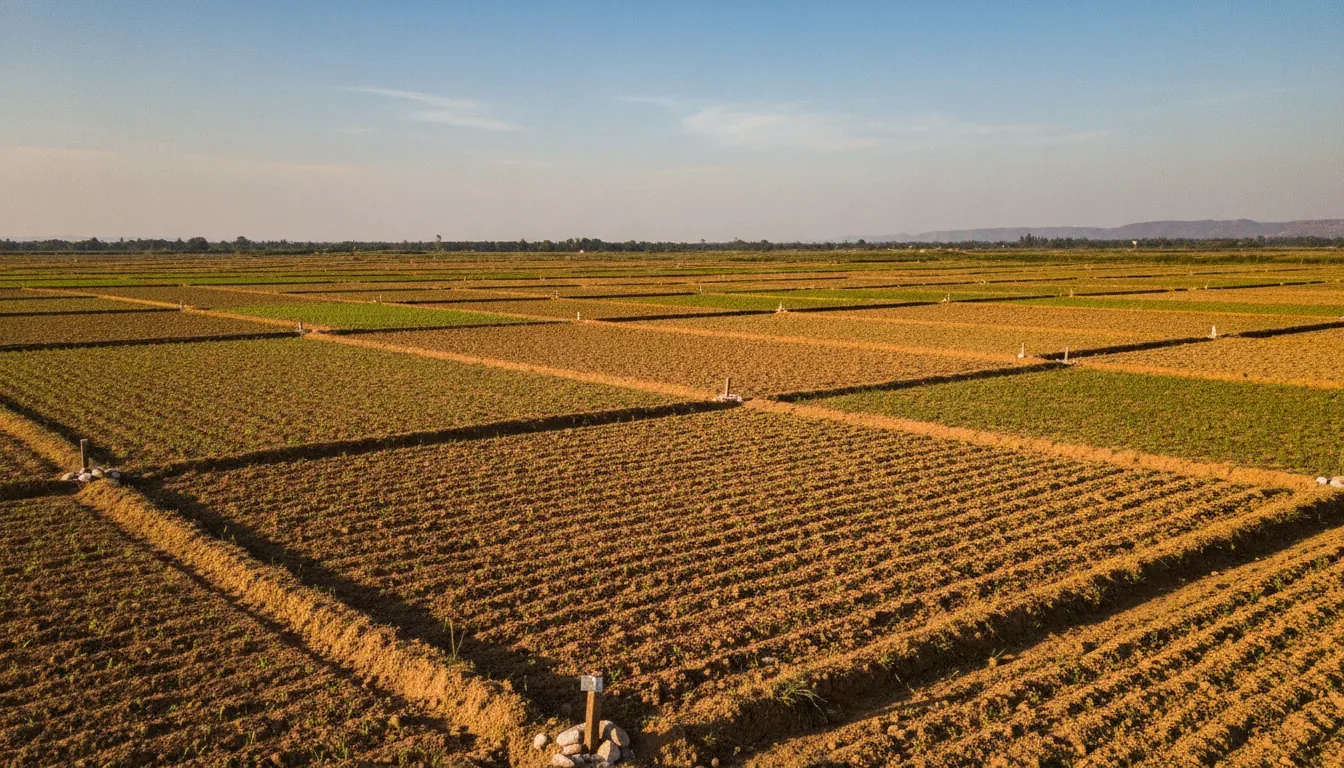
Managed farmland represents a modern approach to land ownership where professional developers handle all aspects of farm development, cultivation, and upkeep. For buyers, it eliminates the operational burden traditionally associated with agriculture while providing a tangible, appreciating land asset. The model typically includes divided farm plots, internal roads, water systems, plantation plans, and a trained management team that oversees cultivation, harvesting, and maintenance.
In Karnataka, and particularly around Bangalore, this concept has become a preferred asset class for those seeking both lifestyle and investment benefits. Unlike raw agricultural land, where buyers must manage irrigation, crop planning, and legal formalities independently, managed farmland ensures that every operational detail is handled by experts. The investor retains ownership of the land while benefiting from agricultural yield, potential rental income, or long-term appreciation.
The appeal lies in its versatility. Some projects emphasize sustainability—incorporating organic farming, agroforestry, and rainwater harvesting—while others focus on wellness and community experiences. The Kanakapura belt exemplifies both. Its accessibility from Bangalore allows investors to enjoy weekend retreats while their farmland is professionally managed year-round.
As the demand for sustainable living grows, managed farmland has become a bridge between urban convenience and rural authenticity. For those exploring long-term, stable assets beyond traditional real estate, the model answers a key modern question: how to reconnect with nature without compromising on comfort or management efficiency.

Why Kanakapura: Location Profile & Investment Triggers
Kanakapura’s location advantage is both geographical and developmental. Situated roughly 55 kilometers from Bangalore, it connects directly through the Kanakapura Road corridor—one of the most scenic and infrastructure-rich stretches leading out of the city. The area’s elevation ensures a moderate climate throughout the year, and its soil composition, primarily red and loamy, supports diverse crops including sandalwood, teak, coconut, and fruit-bearing trees. These natural conditions have made Kanakapura a preferred region for sustainable and managed farming initiatives.
Beyond its natural appeal, Kanakapura’s growth trajectory mirrors Bangalore’s southern expansion. The proposed metro extension, improved roadways, and tourism-oriented developments are driving attention to the region. With land prices still comparatively moderate, early investors are securing plots that combine lifestyle value with capital appreciation potential.
In contrast to other weekend destinations near Bangalore, Kanakapura retains a strong ecological character. The proximity to the Cauvery Wildlife Sanctuary and local water bodies sustains biodiversity while supporting eco-agriculture. Investors see this as an assurance of both environmental and economic sustainability.
From an investment perspective, the convergence of accessibility, affordability, and ecological integrity makes Kanakapura a rare opportunity. It caters to those seeking long-term appreciation, passive agricultural income, and the satisfaction of owning land that contributes positively to the environment. This blend of purpose and practicality is what defines Kanakapura as Bangalore’s true hidden gem for managed farmland.
Sustainable Living & Eco-Investing: The Non-Financial Appeal
Sustainability in farmland ownership extends beyond environmental responsibility—it represents a lifestyle choice rooted in balance and long-term thinking. Managed farmland projects in Kanakapura have refined this philosophy by integrating ecological design, responsible resource use, and community-driven agricultural systems. Each plot serves not just as an investment but as a living ecosystem designed to regenerate soil, conserve water, and sustain biodiversity.
Eco-friendly management models in the region rely on techniques such as organic farming, natural pest control, and agroforestry. By cultivating multiple species—fruit trees, timber, and crops—these farmlands maintain soil fertility while providing a mix of short- and long-term yields. Water-harvesting systems, recharge ponds, and drip-irrigation infrastructure are often incorporated from the planning stage. The result is land that continues to thrive without over-reliance on chemicals or unsustainable extraction.
The lifestyle dimension is equally important. Managed farmland communities in Kanakapura provide a unique wellness experience: morning walks through orchards, weekend farming sessions, and quiet escapes from the noise of the city. This connection to the earth—without the logistical burden of managing a farm—has become one of the region’s strongest draws. Investors often value the opportunity to contribute to sustainable agriculture while maintaining a direct link to nature.
The growing global emphasis on conscious investing adds further relevance. As climate resilience and sustainability become central to asset strategies, eco-aligned farmland stands out as both ethical and practical. For Kanakapura, this approach reinforces its reputation as a region that respects its ecological roots while adapting to modern investment sensibilities.

How to Evaluate a Managed Farmland Project: Checklist for Investors
Evaluating managed farmland requires both emotional intuition and structured assessment. A strong project combines clear legal compliance, transparent operations, and sound agricultural planning. For buyers in Karnataka, particularly around Kanakapura, due diligence begins with land legality. Verifying agricultural zoning, title authenticity, and encumbrance-free records protects long-term ownership rights. Investors should confirm that the project has clear documentation, including survey numbers and access provisions.
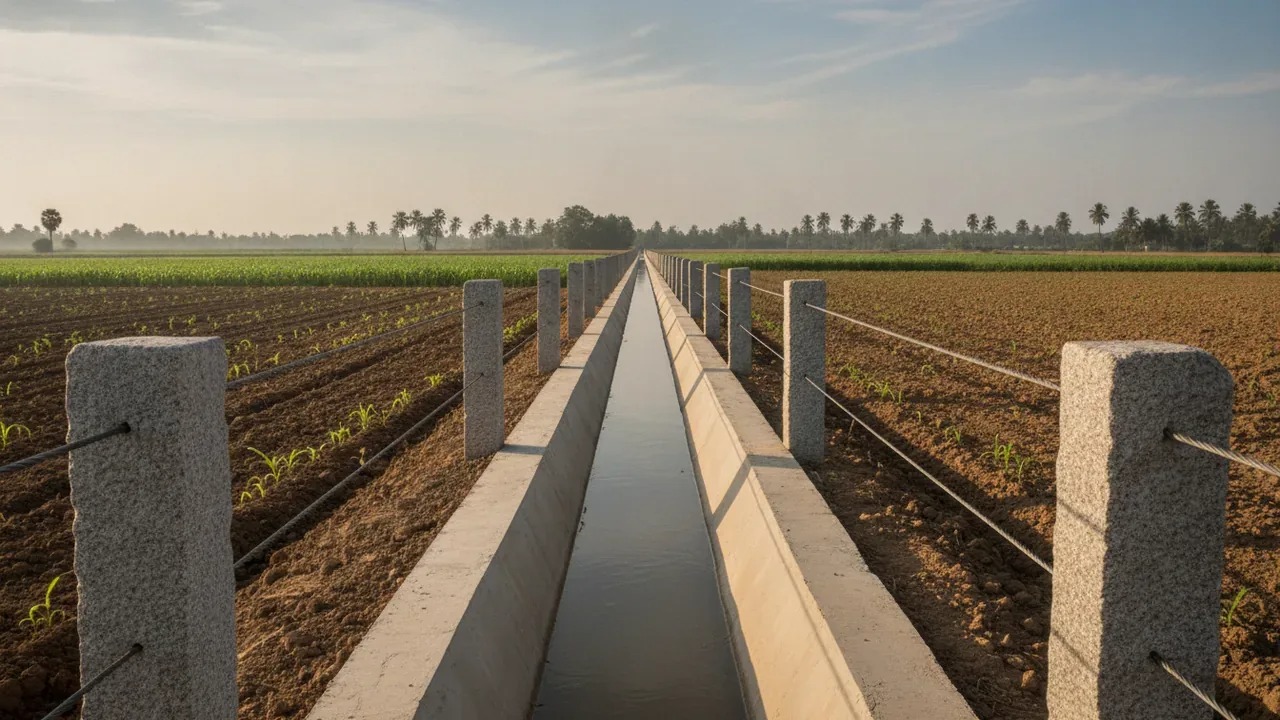
Infrastructure and operations come next. A well-designed managed farmland community should have internal roads, drip-irrigation systems, electricity access, and consistent water supply. Prospective buyers should also understand the management model—how often maintenance occurs, what services are covered, and whether crop selection aligns with local soil and climate conditions.
Financial logic is equally crucial. Genuine projects present realistic timelines for yield returns or appreciation, not speculative promises. Investors should analyse maintenance fees, revenue-sharing agreements, and potential exit strategies. Sustainability credentials also deserve attention: projects employing organic methods, biodiversity restoration, or community farming hold higher long-term value.
Asking the right questions distinguishes a solid investment from a marketing narrative. Who manages the farm operations? What recourse exists if the management company changes? How are profits distributed? Each question ensures clarity before commitment. In a maturing market like Kanakapura, transparency and ecological accountability define credible farmland investments.
Spotlight on the Brand: Hasiru Farms’ Raaga Project in Kanakapura
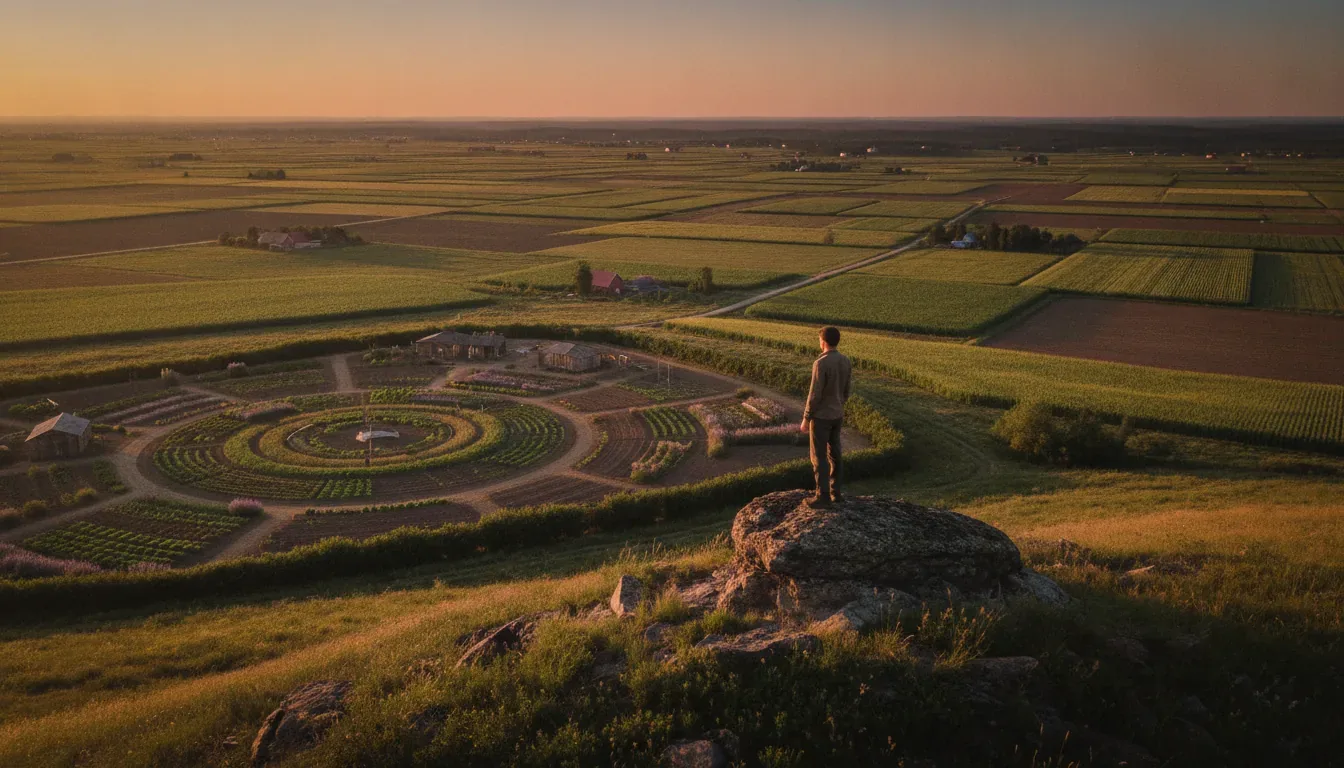
Among the growing number of managed farmland ventures, Hasiru Farms’ Raaga project in Kanakapura exemplifies the integration of sustainability, lifestyle, and investment purpose. The project’s concept centers on harmony—between land, community, and long-term stewardship. Located amid Kanakapura’s green landscape, Raaga offers well-structured farm plots equipped with essential infrastructure such as paved access roads, fencing, irrigation, and water-body integration.
The defining feature of Raaga lies in its management model. Hasiru Farms provides complete end-to-end services, including plantation planning, crop maintenance, and yield management. The team follows sustainable farming practices that align with the soil’s natural rhythm. This allows investors to benefit from the agricultural cycle without needing direct involvement, ensuring passive ownership that still remains productive.
Community and lifestyle elements further strengthen its positioning. Raaga integrates shared amenities such as a farm lounge, walking trails, and a community farming zone. These features promote wellness and connection—elements often missing in conventional land investments. Investors can spend weekends participating in planting sessions or simply enjoy the calm of a fully managed ecosystem.
For those seeking tangible, nature-driven assets near Bangalore, Raaga embodies what Kanakapura represents at its best: fertile land, responsible management, and sustainable growth. The project demonstrates how eco-aligned farmland can function not only as an investment but also as a long-term legacy anchored in environmental balance and mindful ownership.
Risks, Pitfalls & How to Mitigate Them
Managed farmland investments in Kanakapura carry genuine promise, but like any emerging asset class, they also present specific risks that require thoughtful evaluation. The most common challenge lies in overestimated appreciation. While infrastructure growth and proximity to Bangalore suggest steady value escalation, investors must differentiate between projects rooted in agricultural productivity and those driven purely by speculative marketing. Unrealistic projections of short-term returns often lead to disappointment; genuine farmland value matures over time, tied to yield cycles and regional development.
Operational reliability is another consideration. The managed model depends heavily on the consistency of the management company. If maintenance lapses or crop management becomes unsustainable, the value and health of the land can decline. Evaluating the operator’s experience, management capacity, and previous project performance helps prevent this risk.
Legal and compliance issues, though less visible, carry long-term consequences. Karnataka’s agricultural land laws require careful review, especially concerning eligibility criteria for buyers and proper zoning classification. Transparency around titles, access roads, and documentation protects ownership integrity. Environmental risks, such as overuse of water resources or reliance on monoculture, can also undermine sustainability goals if not properly managed.
Mitigation begins with informed diligence. Investors should visit sites, review legal paperwork, and engage independent experts where necessary. Choosing a developer with a proven ecological and operational track record—such as Hasiru Farms—reduces exposure to most of these uncertainties. Ultimately, success in managed farmland ownership depends on aligning expectations with the natural timeline of agriculture and choosing stewardship over speculation.
The Future Outlook: What’s Next for Managed Farmland in Kanakapura?
Kanakapura’s trajectory points toward sustained transformation driven by infrastructure, lifestyle migration, and environmental consciousness. The extension of the Bangalore Metro along Kanakapura Road and the continued expansion of the NICE corridor are creating stronger connectivity for daily and weekend access. This improved accessibility has begun attracting not just individual investors but also institutional interest in sustainable agro-living developments.
The next phase of growth is expected to integrate agritourism, carbon credit monetization, and community-driven food systems. Managed farmland projects could soon host small-scale organic markets, wellness retreats, and educational programs on regenerative agriculture. These initiatives will strengthen local economies and position Kanakapura as a model for environmentally responsible rural development around major cities.
Investors will likely benefit from both capital appreciation and diversification opportunities. As agricultural land remains finite, curated farmland projects with sustainable operations will gain a premium over unstructured rural plots. Additionally, the focus on biodiversity and eco-restoration will align these assets with future government incentives tied to carbon management and green infrastructure.
The outlook is clear: Kanakapura will continue evolving from an agrarian region into a sustainable-living corridor balancing productivity with ecological mindfulness. Early entrants—those who prioritize credible management, sustainable farming, and clear legal frameworks—stand to benefit most from this transformation.
Frequently Asked Questions
What is the minimum plot size for managed farmland in Kanakapura?
Most managed farmland projects offer plots between a quarter and one acre. The size is designed to balance affordability, manageability, and meaningful agricultural activity.
How far is Kanakapura from Bangalore, and how accessible is it?
Kanakapura lies roughly 55 to 60 kilometers from Bangalore, accessible via the Kanakapura Road corridor. The upcoming Metro extension will significantly reduce commute times, improving both investment value and convenience.
Can investors earn income from managed farmland?
Yes. Depending on the project model, returns can come from fruit harvests, timber, or plantation yield sharing. However, the focus is typically long-term value creation rather than short-term profits.
Are non-agricultural buyers eligible to purchase farmland in Karnataka?
Eligibility depends on state regulations. Many managed farmland developers structure purchases through compliant entities or lease models. It is advisable to consult legal counsel for clarity before investment.
What ongoing maintenance costs are involved?
Most projects include annual management fees that cover irrigation, upkeep, and cultivation services. These vary by size and scope but typically remain lower than urban property maintenance.
Can a farmhouse be constructed on a managed farmland plot?
Certain projects, including Hasiru Farms’ Raaga, permit limited farm structures that align with agricultural-use norms. Permissions depend on zoning and project design.
What defines a credible managed farmland project in Kanakapura?
Transparency in land titles, a proven management framework, ecological alignment, and community integration are key indicators of reliability. Investors should always prioritize these parameters before committing funds.
Conclusion
The concept of farmland ownership is undergoing a quiet but decisive transformation in places like Kanakapura. What once symbolized agrarian livelihood is now being redefined as a hybrid of investment, recreation, and ecological responsibility. Managed farmlands have emerged as a bridge between urban affluence and rural sustainability—where individuals can hold a stake in agricultural land without the burdens of direct cultivation.
In Kanakapura, this shift reflects both geography and intent. The region’s proximity to Bangalore gives it accessibility; its ecosystem gives it depth. When managed farmland is curated with ecological design—integrating native species, efficient irrigation, and crop diversification—it does more than appreciate in financial terms. It contributes to carbon retention, biodiversity, and soil revival, positioning investors as stewards of regeneration rather than passive owners.
The larger implication lies in redefining wealth creation itself. As urban real estate saturates and environmental awareness strengthens, the new frontier of asset value lies in ecological productivity and land stewardship. Kanakapura’s managed farmlands are among the few investment classes that offer a tangible return—measured not only in capital growth but in quality of air, food, and soil.
The opportunity now is not just to buy land but to participate in a new paradigm of sustainable living that benefits people, profit, and the planet simultaneously. For those seeking a balance between financial prudence and ethical purpose, the managed farmland movement in Kanakapura offers a blueprint worth studying—and, for many, joining.