Setting the Scene: Eco-Living Communities and the Shift in Land-Use around Bengaluru
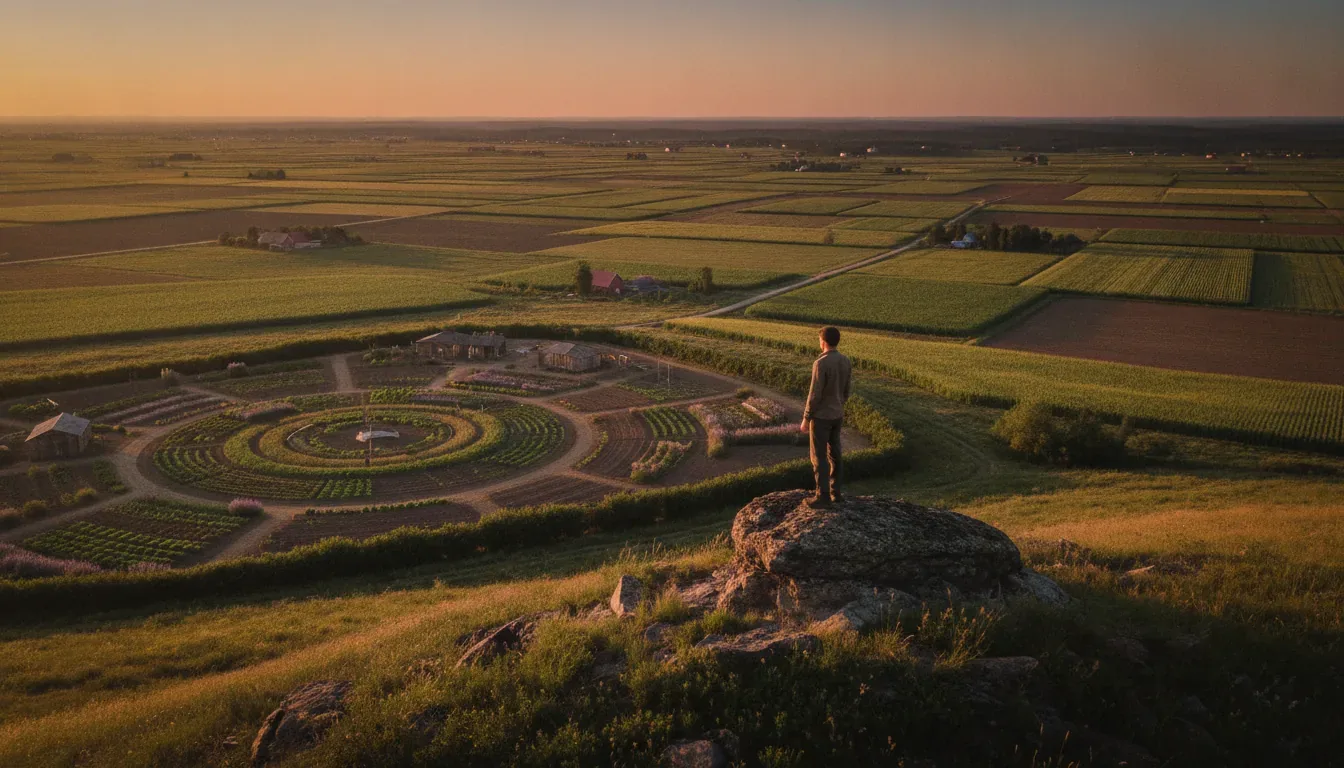
Across Karnataka, a quiet transformation is reshaping how people think about land, lifestyle, and investment. The rise of eco-living communities—spaces that merge sustainable living with agricultural and community-centric design—is redefining what rural ownership means. These communities go beyond traditional gated layouts or weekend homes. They integrate managed farmland, shared green infrastructure, and collective stewardship of the environment. For many, the appeal lies not only in financial growth but also in the emotional return of living closer to nature.
In Bengaluru’s fast-expanding periphery, this trend has found fertile ground. Urban professionals and investors are seeking alternatives to conventional real-estate, drawn to projects that promise long-term value and ecological balance. Managed farmland models, like those offered by Hasiru Farms, allow investors to own agricultural plots that are cultivated and maintained by professional teams. This structure makes it possible for individuals to contribute to sustainable agriculture without managing day-to-day operations.
Eco-living communities also speak to a cultural shift. They represent a move from consumption-driven property ownership toward regenerative living. In Karnataka, especially around Bengaluru’s southern and western belts, such developments are gaining attention for combining lifestyle benefits with tangible investment security. These projects connect urban investors with rural landscapes, creating ecosystems that support biodiversity, ethical farming, and community well-being.
Hasiru Farms has emerged as one of the recognized names leading this evolution. Its projects demonstrate how farmland can become a platform for meaningful environmental participation while providing a structured, transparent investment framework. As the idea of eco-living takes deeper root, it reflects a wider aspiration—to invest in spaces that heal, sustain, and grow in harmony with both nature and modern life.
Key Takeaways / TLDR
- Eco-living communities integrate sustainable agriculture, shared infrastructure, and long-term environmental care.
- Karnataka’s peri-urban regions, especially around Bengaluru, are leading this eco-investment movement.
- Managed farmland models, such as those by Hasiru Farms, combine lifestyle value with structured investment opportunities.
- The movement reflects a shift toward regenerative ownership and environmentally conscious living.
Table of Contents
Why Karnataka’s Peri-Urban Belt Is Attracting Eco-Living Farmland Investors
Karnataka’s southern corridor, especially around Bengaluru, has become the nucleus of eco-living and managed farmland projects. This region balances urban accessibility with abundant agricultural land, making it ideal for sustainable community development. The Kanakapura Road, Mysuru corridor, and Ramanagara districts have witnessed rising interest from developers building eco-living communities that blend farming with modern amenities.
Several forces drive this transition. Rapid urban expansion has increased land values within city limits, pushing investors to explore peri-urban and rural fringes. Improved road connectivity, weekend accessibility, and new infrastructure corridors have made farmland projects viable as both lifestyle retreats and appreciating assets. Simultaneously, growing awareness of climate change and ecological depletion has strengthened demand for sustainable alternatives.
Karnataka also provides a favorable policy environment compared to other Indian states. While regulations around agricultural land ownership are stringent, managed farmland developers like Hasiru Farms have built transparent operational models that comply with state guidelines. These models help investors legally participate in agricultural projects while ensuring land protection and ethical farming.
The demographic dynamic is another key factor. Bengaluru’s workforce, characterized by professionals in technology and finance, increasingly values wellness, balance, and environmental responsibility. For many, eco-living communities satisfy the need for tangible, purpose-driven investments that connect lifestyle with sustainability.
Unlike speculative residential developments, eco-living farmland communities offer enduring value derived from agricultural productivity, soil restoration, and biodiversity growth. Karnataka’s fertile terrain, favorable rainfall patterns, and agricultural heritage further support these models. Together, these attributes make the state’s peri-urban belt a natural habitat for the growth of managed farmland communities that combine economic logic with ecological ethics.

What Is Managed Farmland? Structure, Yield, and Value Drivers
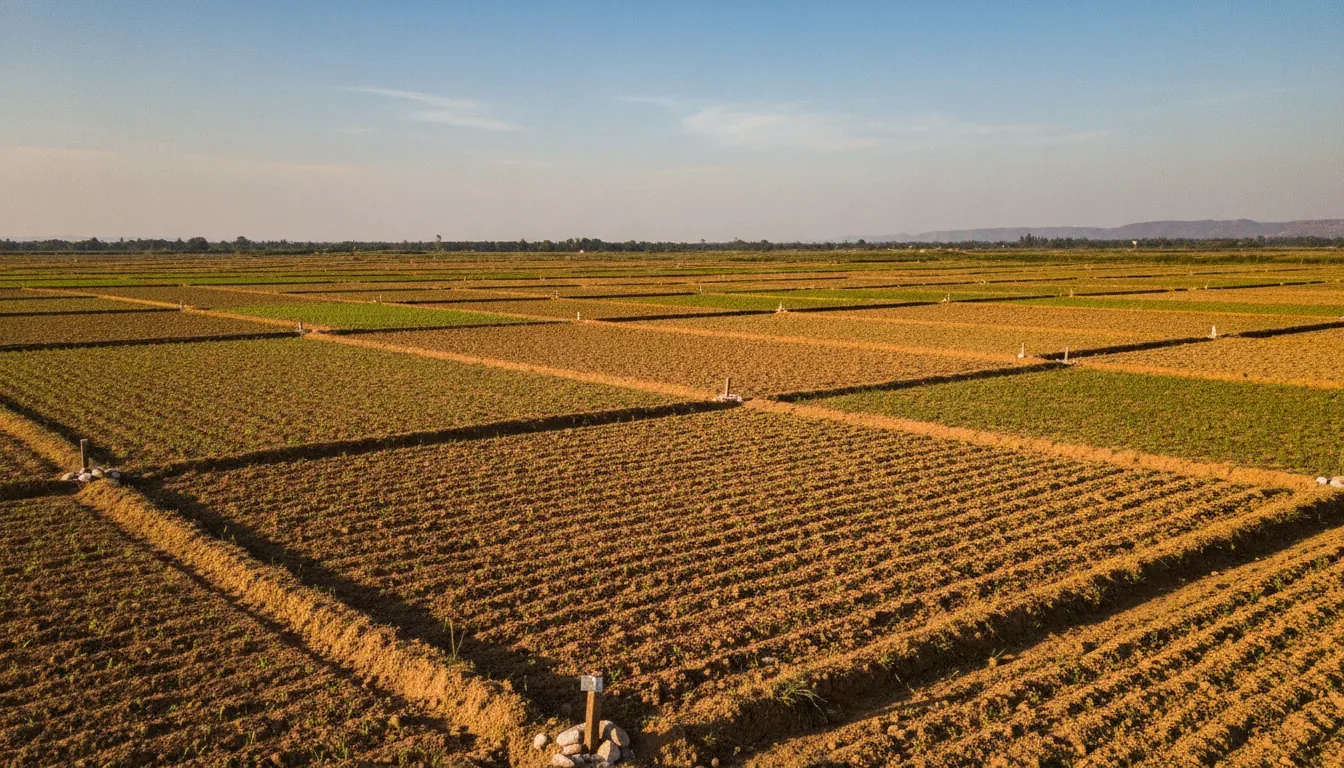
Managed farmland bridges the gap between traditional agriculture and modern real-estate investment. In this model, investors purchase agricultural plots that are cultivated, maintained, and monitored by a professional management team. The owner holds legal title to the land, while the developer ensures continuous farming activity, infrastructure upkeep, and community maintenance.
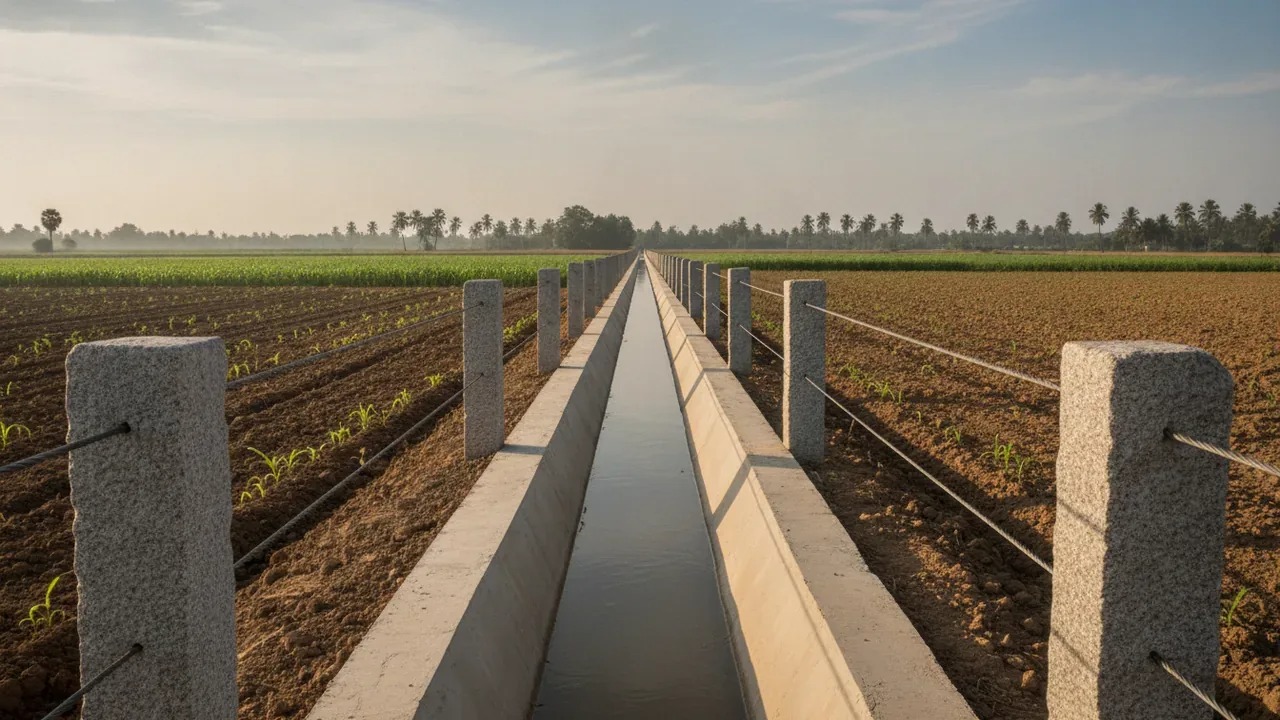
A well-structured managed farmland project usually includes internal roads, irrigation systems, fencing, farmhouses or community spaces, and trained agricultural staff. Revenue can come from two main streams—annual yield from crops and the appreciation of land value over time. In Karnataka, these returns are often supported by diversified crops such as timber, fruit trees, spices, or horticultural plantations.
Hasiru Farms exemplifies this approach through projects that integrate organic and sustainable farming systems with long-term land value. Its managed models provide transparency on costs, maintenance, and operational accountability. Investors receive updates on farming progress while benefiting from the expertise of agricultural professionals.
Compared to conventional real-estate, managed farmland offers distinctive value drivers. The entry cost per acre is usually lower than urban plots, while the potential for appreciation is influenced by both land demand and ecological stewardship. Unlike passive land holdings, managed farms remain active, productive, and environmentally positive.
From an investor’s standpoint, the model simplifies the complexity of agriculture. It eliminates operational burden while enabling participation in rural regeneration. Typical holding periods range from five to ten years, aligning with the time horizon of sustainable growth.
Common investor questions focus on effort and returns. Most developers handle farming end-to-end, leaving owners free from manual work. Yield varies by crop and season, but the broader benefit lies in owning an appreciating, income-producing green asset. Managed farmland communities thus combine economic prudence with environmental engagement, offering a rare intersection of profit, purpose, and permanence.
Hasiru Farms: Pioneering Managed Farmland Communities in Karnataka
Hasiru Farms has become a defining name in Karnataka’s eco-living movement, offering managed farmland experiences that merge agriculture, sustainability, and modern community design. Founded with the vision of reconnecting people with the land, the company develops projects where investors can legally own farmland while participating in professionally managed, ecologically sound cultivation systems.
Each project is structured to deliver both tangible and intangible value. Tangible returns emerge through agricultural yields and long-term appreciation of well-maintained farmland. Intangible value grows from the satisfaction of owning a space that contributes to environmental balance and personal well-being. Hasiru Farms’ approach reimagines farmland ownership—not as a distant rural asset but as a meaningful lifestyle choice for those seeking a deeper connection with nature.
The company’s portfolio spans several thematic developments around Karnataka, with Raaga, Prakruthi, and Brindavan standing out for their thoughtful design. Each community integrates sustainable farming, shared amenities, and recreation areas to create a complete eco-living ecosystem. Hasiru Farms also focuses on transparency, offering investors clarity on land documentation, farming practices, and maintenance structures.
In an evolving market where trust and credibility shape investment confidence, Hasiru Farms differentiates itself through its management model and ethical governance. Its developments promote agroforestry, native tree planting, and community participation in conservation activities. By aligning investment goals with ecological impact, the company has built a strong reputation among urban investors looking for credible farmland opportunities near Bengaluru.
Projects under the Hasiru Farms umbrella have become living examples of how sustainable agriculture and modern living can coexist. Through consistent execution and community engagement, the brand has established itself as a benchmark for responsible, profitable, and environment-conscious farmland investment.

Project Raaga: A Case Study in Eco-Living Community Investment
Project Raaga illustrates the essence of eco-living as envisioned by Hasiru Farms. Located in Karnataka’s lush landscape within comfortable distance of Bengaluru, Raaga is designed as a managed farmland community that combines natural serenity with accessible urban connectivity. Its layout reflects a balance between private agricultural plots and communal green spaces, creating a cohesive environment for sustainable living.
Every plot within Raaga is supported by professional management, ensuring consistent agricultural operations. The project emphasizes sustainable farming practices, including soil conservation, organic cultivation, and crop diversification suited to the regional ecosystem. Fruit trees, spice crops, and shade-giving plants contribute to both environmental stability and economic yield.
Community living is central to Raaga’s vision. Shared amenities such as a clubhouse, gathering areas, and farm-stay options encourage interaction among investors and visitors. These spaces transform farmland ownership into a participatory experience rather than a passive investment. Investors can visit, engage in seasonal farming events, and witness firsthand how their land contributes to a regenerative environment.
Accessibility from Bengaluru strengthens Raaga’s appeal. The project’s proximity to major highways and weekend destinations makes it an attractive retreat as well as a viable asset. Transparent documentation, clear title, and consistent maintenance practices build investor confidence.
Frequently asked questions often revolve around flexibility and involvement. Investors typically ask if they can build homes, stay overnight, or lease the plots. Raaga’s structure allows for such flexibility within approved guidelines, making it suitable for both lifestyle seekers and long-term investors. With its combination of ecological purpose and structured management, Raaga demonstrates how farmland investment can evolve into a socially and environmentally meaningful form of ownership.
From Plot to Plantation: How Eco-Living Communities Deploy Regenerative Practices
True eco-living extends beyond green marketing; it requires measurable environmental action. Modern eco-living communities in Karnataka, including those developed by Hasiru Farms, integrate regenerative agriculture and sustainable infrastructure as foundational design principles. These practices not only sustain productivity but actively improve soil, water, and biodiversity health over time.
Agroforestry forms the backbone of most managed farmland projects. Trees such as teak, sandalwood, and native fruit species are intercropped with shorter-yield plantations like banana, pepper, or coffee. This multi-layered approach enhances soil fertility, regulates microclimate, and supports natural pest control. It also provides diversified income streams that stabilize returns while protecting ecological integrity.
Water management is another crucial focus. Drip irrigation, rainwater harvesting, and contour bunding reduce wastage and preserve groundwater. Waste from farm operations is recycled into compost, ensuring nutrient cycles remain closed within the ecosystem. These systems are complemented by renewable energy sources, low-impact roadways, and native landscaping that minimizes disturbance to local flora and fauna.
Within such frameworks, Hasiru Farms’ communities function as living laboratories of regenerative development. Investors indirectly participate in climate-positive activities, from carbon sequestration to biodiversity restoration. The benefits go beyond the farm boundary—improved groundwater recharge and soil health extend to nearby villages, creating shared ecological gains.
Regenerative design also supports emotional well-being. Residents and visitors experience firsthand how sustainable practices translate into greener, more harmonious surroundings. The combination of practical agricultural management and ecological mindfulness makes these projects stand apart from typical rural or resort properties.
By aligning investment with measurable environmental outcomes, eco-living communities in Karnataka set new standards for responsible land use. They prove that farmland ownership can contribute not only to personal prosperity but also to regional sustainability.
What to Check Before Investing in a Managed Farmland Community in Karnataka
Farmland investments in Karnataka offer strong potential, yet they demand careful due diligence. Legal and regulatory factors play a major role in determining the safety and profitability of such ventures. Before entering any agreement, investors should understand the local agricultural laws and the operational structure behind managed farmland communities.
The first step involves verifying land-use classification. In Karnataka, agricultural land cannot be converted to residential or commercial use without government approval. Authentic managed farmland projects operate strictly within agricultural zones and maintain farming activity to comply with these regulations. Investors must confirm that the land titles are agricultural, freehold, and transferable under state laws.
Documentation transparency is another key factor. A credible developer provides registered sale deeds, revenue records, encumbrance certificates, and mutation extracts. Hasiru Farms, for instance, follows a transparent purchase process with full disclosure of ownership documents and layout approvals. Such practices ensure clarity and protect investors from potential legal complications.
Equally important is the operational structure of the management model. Investors should review service agreements that outline responsibilities such as cultivation, maintenance, yield sharing, and administrative costs. Understanding the exact scope of management—whether it covers crop selection, harvesting, and sales—prevents disputes later.
Karnataka’s Land Reforms Act restricts certain categories of individuals from directly buying agricultural land unless the project structure is compliant with the regulations. Developers like Hasiru Farms typically structure ownership through legal pathways that align with these laws, enabling non-agriculturists to invest transparently in managed farmland projects.
Common investor concerns include liquidity, yield reliability, and long-term sustainability. Managed farmland is not a quick-return asset; it requires patience and a medium-term horizon. A legally compliant project with proper documentation, sustainable cultivation, and active management minimizes risk while offering stable growth potential.
For anyone considering such an investment, legal clarity and operational transparency remain the cornerstones of trust. A structured approach—verifying ownership, understanding obligations, and confirming active farming—ensures that the investment delivers both peace of mind and value over time.
How Eco-Living Community Farmland Fits into an Investor’s Portfolio
Eco-living farmland represents a distinct asset class that blends the characteristics of real estate, agriculture, and sustainability investment. Unlike urban plots or apartments, its value is tied to both natural productivity and land appreciation. For portfolio diversification, managed farmland offers a tangible hedge against inflation while aligning with long-term environmental trends.
The cost structure typically involves three components: the purchase price of the land, registration and legal fees, and recurring management charges. In return, investors benefit from two forms of returns—periodic farm yields and gradual capital appreciation. Well-managed projects like those under Hasiru Farms’ umbrella generate steady agricultural income through plantations of fruit, timber, or spices, while the land itself appreciates due to limited agricultural supply near expanding urban centers.
From a risk perspective, managed farmland occupies a moderate position. It lacks the volatility of equities and the high entry costs of commercial real estate, but it requires a longer holding period to unlock maximum value. For investors seeking passive income with environmental impact, it acts as a stable, low-intervention option.
Return models often depend on the type of crop and management efficiency. Plantation-based projects offer returns over multiple years as trees mature, while horticultural yields provide earlier but smaller income cycles. Transparency in reporting and cost allocation determines the credibility of projected returns. Hasiru Farms’ model emphasizes clarity through regular updates and defined management practices, giving investors a clear view of how their land performs.
Strategically, farmland investments fit best as a mid-term diversification tool. They balance the liquidity gap of traditional real estate with the stability of a physical asset. As climate-resilient land ownership gains traction, such eco-living communities position investors at the intersection of profit and purpose—an increasingly important narrative in the modern investment landscape.
What Life Looks Like in an Eco-Living Managed Farmland Community
Living within an eco-living community differs profoundly from conventional residential life. These spaces are designed to create connection—between people, food systems, and nature. Managed farmland projects such as those by Hasiru Farms combine the tranquility of rural surroundings with the structure and safety of planned development, resulting in a lifestyle that is both rejuvenating and purposeful.
A typical day in such a community starts with the rhythm of the land. The scent of soil after irrigation, morning harvests, and communal walks through orchards replace the static routine of urban life. Residents or visiting owners often participate in farm activities, seasonal planting, or wellness sessions within shared spaces. These interactions nurture a sense of belonging and stewardship that extends beyond financial ownership.
Social engagement plays a key role. Common spaces like clubhouses, open lawns, and event zones encourage gatherings that celebrate harvests or cultural occasions. Unlike isolated farmhouses, these communities thrive on shared experiences. Weekend farm-stays or retreats allow investors to enjoy their property while reinforcing emotional connections to the environment they helped cultivate.
Practical aspects of eco-living also enhance daily comfort. Solar-powered lighting, waste composting, and water recycling systems are seamlessly integrated into the landscape. The balance between modern convenience and natural simplicity creates an environment that supports mental wellness and sustainability.
Investors frequently inquire about the possibility of building homes or staying on their plots. Most managed farmland models allow limited construction, often restricted to eco-friendly cottages or retreat houses. This flexibility transforms ownership into a lifestyle investment rather than a purely financial one.
Ultimately, life in an eco-living community reflects a growing desire to align prosperity with responsibility. It offers a slower pace, meaningful interactions, and a tangible connection to land—an experience that blends the comforts of modern design with the timeless rhythm of nature.
Frequently Asked Questions (FAQs)
1. What makes a managed farmland project different from a regular real-estate plot?
Managed farmland includes active agricultural operations overseen by professionals, offering both income from farming and long-term appreciation, unlike conventional land that often lies idle.
2. Can non-agriculturists legally invest in managed farmland in Karnataka?
Yes, through legally structured projects like Hasiru Farms, where compliance with Karnataka land laws ensures transparent and lawful participation.
3. How do investors earn returns from managed farmland?
Returns arise from crop yields and the natural appreciation of agricultural land near expanding city corridors such as Bengaluru’s outskirts.
4. Are there any risks involved in farmland investment?
Like all investments, risks exist—mainly yield fluctuations, liquidity, and market timing. Choosing compliant, professionally managed projects significantly reduces these concerns.
5. Can owners live or build homes on their farmland plots?
Most managed farmland projects permit eco-friendly structures like farm cottages or weekend retreats, depending on zoning and project design.
The Future of Eco-Living Communities in Karnataka and the Role of Managed Farmland
Eco-living communities in Karnataka symbolize a larger shift in how people perceive ownership, sustainability, and long-term value. As Bengaluru’s urban expansion continues, the need for spaces that balance growth with environmental preservation grows stronger. Managed farmland projects provide a practical path toward that equilibrium—combining responsible land use with investor participation in sustainable agriculture.
Karnataka’s blend of fertile soil, favorable regulations, and a forward-looking investor base positions it as the epicenter of this transformation. Projects such as Hasiru Farms’ Raaga demonstrate that managed farmland is not just an investment category but a movement toward regenerative, community-based living. These projects connect financial prudence with ecological awareness, proving that growth and green living can coexist.
The future of eco-living communities depends on continued transparency, sustainable farming practices, and community engagement. Developers that maintain ecological integrity while offering structured investment frameworks are likely to lead the next phase of real-estate evolution. For investors, such opportunities represent more than capital appreciation—they embody a chance to participate in building resilient, restorative ecosystems.
Eco-living in Karnataka is no longer a niche concept; it’s becoming a mainstream lifestyle and investment narrative. As awareness spreads, managed farmland will continue to attract those seeking not only returns but also a legacy rooted in nature and responsibility.