Most of us don’t need another “getaway” that feels like a rushed weekend plan. What we really want is a place that slows us down in a good way. A place where mornings feel longer, conversations feel easier, and your body stops bracing for the next notification.
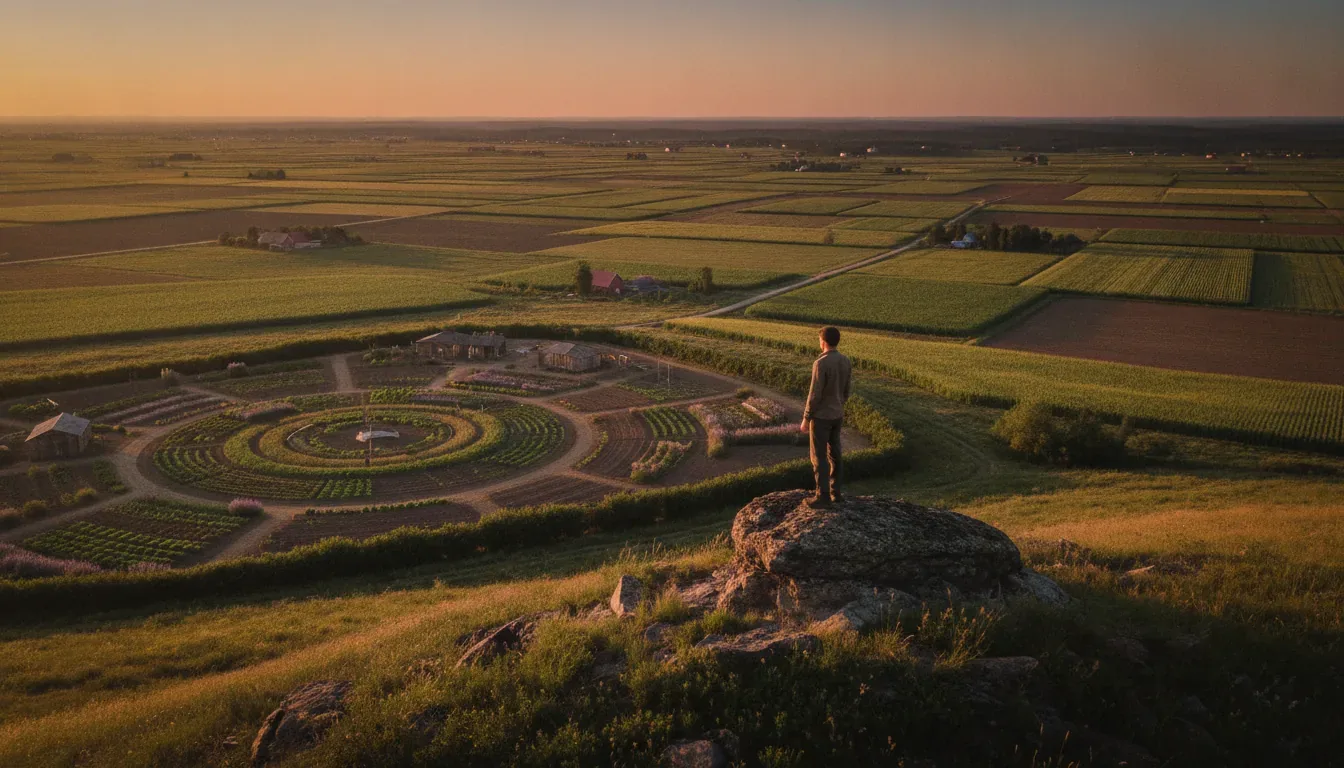
VRUKSHA (Vruksha) is Hasiru Farms’ answer to that modern restlessness. It’s a theme-based managed farmland in Kanakapura, shaped around one central idea: power comes from roots, not height. You see that philosophy in the mud-based architecture, in the red soil identity, and in how the entire project is planned as a living landscape rather than a plotted layout with token amenities.
What VRUKSHA is (quick snapshot)
VRUKSHA is presented as a 15-acre sanctuary designed to help people reconnect with nature, family, and community.
The project offers two plot configurations:
- 10 guntas (10,890 sq. ft)
- 20 guntas (21,780 sq. ft)
There’s also an interactive 3D mapped booking experience that lets you explore plots and view information before you book a visit.

Why invest in VRUKSHA
Land is one of the few assets that can give you two kinds of return at the same time: financial potential and lived experience. VRUKSHA leans into both, but what’s refreshing is that it doesn’t pretend they’re separate.
A big reason people hesitate with farmland is maintenance. Buying the land is the easy part. Keeping it healthy year after year is where things usually get messy. Hasiru addresses that with Hasiru Care, its tech-enabled farmland management system that covers everything from soil health routines to irrigation, plantation care, and ongoing updates through a digital platform.
The second reason is long-term resilience. VRUKSHA positions itself as “human-first design, backed by science,” and Hasiru has announced a soil-science partnership for VRUKSHA with Dr. V. Gomathi (TNAU) to strengthen soil health systems and regenerative frameworks over time.
The third reason is the kind you can’t put neatly into a spreadsheet: the feeling of having a place that pulls you back into a better rhythm. If your life is busy and your weeks blur together, a well-planned, well-maintained farmland becomes less of a “property” and more of an anchor.
The core theme, and how it shows up in design
VRUKSHA’s theme is “Power in Every Root,” and it’s not treated like a tagline. The project page breaks it down into four parts, and each one maps to a real design choice.
Rooted architecture
The project embraces mud-based architecture because it’s breathable, helps regulate temperature, and is meant to stay in harmony with the land. The language Hasiru uses is also very human: homes that don’t just sit on the land, but rise from it.
If you want a solid external credibility link here, UN-Habitat notes that earth as a building material is natural, recyclable, abundant in many regions, and requires relatively little energy to prepare for construction.
Rooted soil
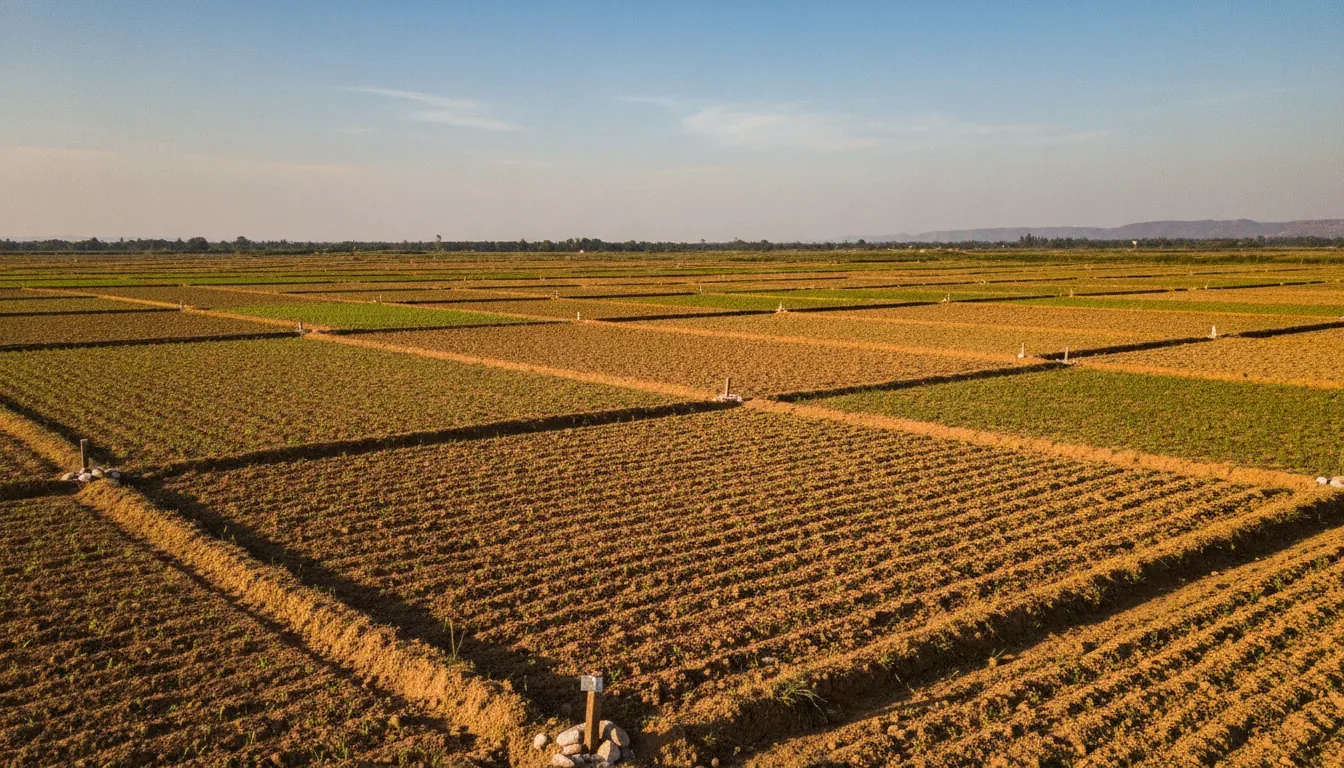
VRUKSHA highlights red soil (Kempu Mannu) as part of the project’s identity, treating soil as the foundation of everything else.
That “soil-first” framing is meaningful because soil health is not just a farming concern; it’s resilience. FAO has shared that healthy soils with higher organic matter can store more water and improve resilience to floods and droughts.
Rooted community
The project is intentionally designed to replace isolation with belonging, “like a forest where roots intertwine.”
This is not just poetic language. There’s strong public health evidence showing that loneliness and social isolation are associated with serious health risks, and social connection plays a protective role. The U.S. Surgeon General’s advisory on social connection is one of the more widely cited summaries of this.
Rooted childhoods
VRUKSHA also speaks directly to parenting and childhood: kids learning from slow, steady wisdom of nature rather than the “fast flicker of screens.”
That matters because the childhood you normalise becomes the adulthood your kids default to.

Plantations and landscape planning: how the land is designed to be lived in
VRUKSHA’s planning comes through most clearly in its “Project Highlights.” Instead of listing features like a clubhouse brochure, the spaces are named and framed around everyday life.
Vruksha Sabha (the community core)
This is described as the soul of the project and “the antidote to isolation,” built for slow dinners, long conversations, and bonfire nights.
It’s also not just a symbolic pavilion. The project page lists functional elements like 2 rooms, a 25-member dormitory, an open kitchen, and a dedicated event area.
In other words, it’s designed to actually be used, not just photographed.
Anna Kutira (shared kitchen and dining)
Food is one of the fastest ways to build community. A shared kitchen and dining space makes it easier for owners and families to spend time together without the “who will host, where will we meet” friction.
Bala Kutira (children’s nature zone)
A dedicated children’s nature zone is a subtle but powerful planning choice. It signals that the project isn’t only built for weekend adults; it’s built for families who want their children to have outdoor memories that don’t require a special occasion.
Maati Patha (earthen walking trails)
The presence of earthen trails sounds simple, but it changes how you use a place. Trails invite slow movement: post-lunch walks, early morning loops, quiet conversations.
Shanti Vanam (wellness grove) and the Bamboo Pavilion (yoga and reflection hall)
VRUKSHA includes quiet spaces for daily stillness, a wellness grove, and a yoga/reflection hall.
This ties back to the project’s “human-first design” framing and the idea of biophilia (our natural pull toward nature).
If you want an external link that supports this in a simple, reader-friendly way, Harvard Health covered research suggesting that spending about 20 minutes in nature can reduce stress hormone levels.
Vanantara (outdoor reading garden), Kampu Sthaana (bonfire and conversations deck), Shrishti Angana (amphitheatre lawn), and Mannina Mane (earthen farmhouses)
These spaces round out the lifestyle layer: places to read, gather, listen, celebrate, and stay grounded in the materiality of the land.
Now, about plantations specifically: the VRUKSHA project page doesn’t publicly list a full plantation/crop schedule. So the safest (and most credible) way to describe plantation planning is through Hasiru’s management and soil-stewardship approach.
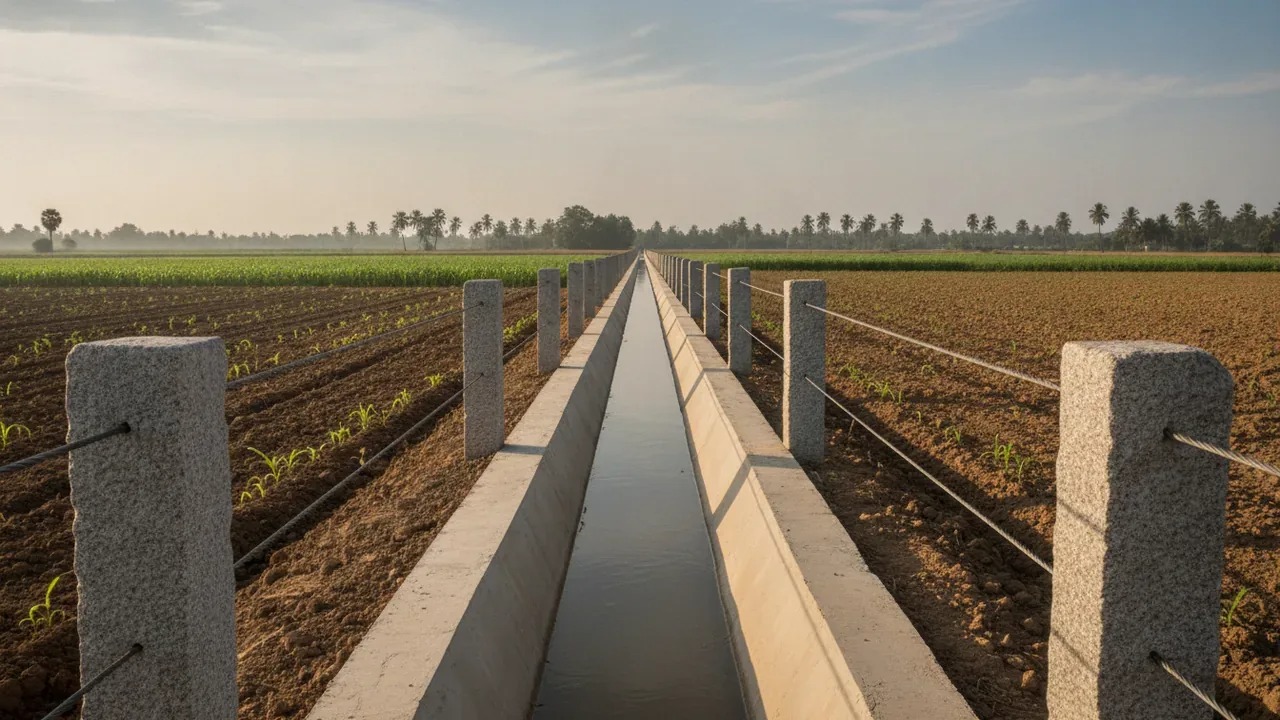
Hasiru Care outlines routines like regular soil testing and organic enrichment, irrigation management, weeding/pest control using organic-friendly solutions, and tree/plantation care such as pruning, mulching, and disease prevention.
VRUKSHA then adds the “science-backed” layer via the soil partnership, which is framed as improving stewardship outcomes season by season.
If you want a strong “proof of intent” story detail, Hasiru also launched VRUKSHA with a 77-km cyclothon and a 77-tree plantation initiative tied to Road Safety Month and Republic Day messaging. It’s a small detail, but it fits the project’s roots-and-responsibility narrative.
A meaningful, sustainable lifestyle and the values it passes on
Sustainability can feel abstract until it becomes routine.
In VRUKSHA, a more sustainable lifestyle is built into how the place is meant to be used:
- you walk more (because the trails invite it)
- you slow down (because there are quiet spaces designed for it)
- you meet people naturally (because the community core and shared kitchen make connection easy)
- children get outdoor play as a default, not a “planned activity”
The “values” part often lands best when you make it personal. You’re not only buying land. You’re normalising a certain kind of life in front of your family: patience, stewardship, presence, and community.
That’s a legacy you can actually feel while you’re still alive.
Long-term intent and ROI: financial and lifestyle-led
It’s always responsible to say this plainly: land returns are not guaranteed, and they depend on market conditions, holding period, and how well the asset is maintained.
What VRUKSHA does offer is a clear long-term intent: build land value through ecosystem quality and consistency of stewardship. The project messaging leans on soil health, science-backed guidance, and a maintenance model designed for busy owners who still want their land to be cared for properly.
Financial ROI (the sensible way to frame it)
A managed farmland investment typically aims to reduce common operational risks: neglected irrigation, inconsistent maintenance, unmanaged pests, or poor soil practices. The “return” here is not just yield; it’s asset preservation and long-term appreciation potential supported by disciplined upkeep.
Lifestyle ROI (often the reason people stay invested)
This is the return people talk about after a few months, not after a few years:
- weekends that feel restorative instead of packed
- family time that doesn’t require planning every minute
- a calmer nervous system (because nature and movement become normal)
Legacy ROI (the quiet compounding effect)
The long-term value is also emotional and intergenerational. If your kids grow up associating land with care, community, and slowness, they inherit a different baseline for “success.”
Closing: how to experience VRUKSHA
VRUKSHA is located Off Kanakapura road, with Hasiru listing nearby attractions like Pyramid Valley, Chunchi Falls, Bheemeshwari Wildlife Sanctuary, and Mekedatu Sangama. The project page also notes approximate drive times such as 90 minutes from Jayanagar and 60 minutes from NICE Road Junction.
The simplest next step is to book a visit and walk the space. If you want to start from your phone first, the interactive 3D mapped experience is meant to help you explore plots and layout before you commit.
If you’re choosing between “another asset” and “a place you’ll actually use,” VRUKSHA is clearly designed for the second.
FAQs
What is VRUKSHA by Hasiru Farms?
VRUKSHA is a theme-based managed farmland project designed around “rooted living.” It blends land ownership with a planned landscape that supports slow weekends, community, and nature-led routines.
Why should I consider investing in VRUKSHA instead of buying standalone farmland?
Standalone farmland often needs hands-on oversight to stay healthy over the years. VRUKSHA is built as a managed model, so plantation care, irrigation oversight, and upkeep are designed to be handled systematically, making ownership easier for busy families.
What makes VRUKSHA’s design and concept different?
The project’s core idea, “Power in Every Root,” is reflected in mud-based, breathable architecture, red-soil identity, and spaces that encourage connection and stillness. It’s planned to feel like a living landscape rather than a plotted layout.
What kind of community and lifestyle spaces are part of the project?
VRUKSHA is planned around named zones such as Vruksha Sabha (community core), Anna Kutira (shared dining), Bala Kutira (children’s zone), Maati Patha (earthen trails), Shanti Vanam (wellness grove), and a bamboo pavilion for yoga and reflection. These spaces make it easier to spend time on land meaningfully, not just visit occasionally.
How does VRUKSHA support a sustainable lifestyle and values for children?
It encourages everyday habits that are naturally sustainable: more walking, more outdoor time, and more shared moments with people. For children, it normalises curiosity, patience, and stewardship—values that stick because they’re lived, not taught as rules.
What kind of long-term ROI can I expect from VRUKSHA?
Financial outcomes depend on market conditions and holding period, so it’s best to view this as a long-term asset. The bigger promise is “stewardship-led value” (land health + consistent upkeep) plus lifestyle ROI: calmer weekends, stronger family time, and a place that becomes a long-term anchor.