Introduction: Managed Farmland as a Lifestyle and Investment Choice
Managed farmland in Bangalore has evolved from a passive landholding into a curated living concept. Instead of isolated plots with ad hoc maintenance, theme-driven projects bundle land stewardship, water and soil management, crop planning, and hospitality-grade services into a unified experience. The result is a dual proposition: lifestyle identity and investment utility. Themes act as the scaffolding for that identity. A village-style concept foregrounds heritage motifs, traditional materials, local crops, and community rituals. A luxury resort concept prioritizes premium villas, concierge-like services, and club-led recreation. Eco-modern variants lean into regenerative agriculture, renewable energy, and measurable sustainability outcomes. Plantation-led models are built around commercial crops and longer horizon returns. Wellness and agro-tourism themes introduce retreat economics and experiential revenue.
Bangalore’s weekend-home culture, proximity to employment hubs, and improving arterial roads make these themed environments practical. The managed component reduces operational friction through pooled maintenance, professional agronomy, and compliance tracking. The thematic component guides expectations about lifestyle rhythm, asset usage, and revenue pathways. Theme fit therefore becomes the primary predicate driving satisfaction and retention, while influencing appreciation potential and exit liquidity. Selecting a theme is less about trend statements and more about aligning identity, time-use patterns, and risk tolerance with on-ground farm operations.
Prakruthi by Hasiru Farms positions the village theme as a distinct lifestyle stack for investors who value rooted aesthetics, slow living, and community cues. Against this anchor, the analysis compares other managed farmland themes to help match buyer types with the right context, costs, and outcomes.
TLDR / Key Takeaways
- Managed farmland in Bangalore is now theme-led, blending lifestyle identity with professional land management.
- Village theme centers on heritage, community rituals, and local agroecology; others prioritize luxury amenities, sustainability metrics, plantation economics, or wellness revenue.
- Theme selection governs maintenance intensity, community dynamics, and return horizons more than any single amenity list.
- Prakruthi represents the village-style benchmark used to compare investor-lifestyle fit across alternative themes.
Table of Contents
Understanding Managed Farmland Themes
What Is a Managed Farmland Theme?
A managed farmland theme is a curated blueprint that connects land use, architectural language, amenity design, and crop strategy into one recognizable identity. The theme dictates the spatial grammar of streetscapes, the palette of materials, the crop portfolio and its maintenance cycles, as well as service rhythms such as harvest schedules, farm-to-table events, and water conservation routines. In Bangalore’s peripheries, themes help resolve a common pain point: fragmented development. A coherent theme replaces one-off villas and scattered orchards with a governed ecosystem where agronomy plans, irrigation infrastructure, farm staff, and community guidelines point in the same direction.
Under a village theme, vernacular architecture, earthen finishes, and native species shape the environment. A luxury-led theme standardizes premium villa typologies, centralized clubhouses, and leisure infrastructure. Eco-modern variants align operations with regenerative practices, solar integration, rainwater harvesting, and organic certification pathways. Plantation-forward plans align with mono or bi-crop strategies like coconut, arecanut, sandalwood, or teak, optimizing farm economics and rotation cycles. Wellness-agro tourism blends stay infrastructure with curated activities such as yoga, horticulture workshops, and farm kitchens.
Why Do Developers Create Different Themes?
Themes segment demand. Each theme targets a lifestyle narrative and an investment profile. The predicates vary: a luxury theme signals prestige and amenity density; an eco-modern plan signals measurable sustainability and lower chemical inputs; a plantation theme signals cash-flow and timber-like horizons; a village theme signals cultural continuity and strong community bonds. Themes also simplify operations by setting consistent design codes, maintenance routines, and community standards. This consistency reduces friction for staff training, capex planning, and compliance. For investors, it sharpens expectations about returns, upkeep, and usage. In short, themes are not labels. They are operating systems that set the rules for how a farmland community lives, grows, and maintains value.

Village-Themed Managed Farmland
Attributes of Village-Theme Living
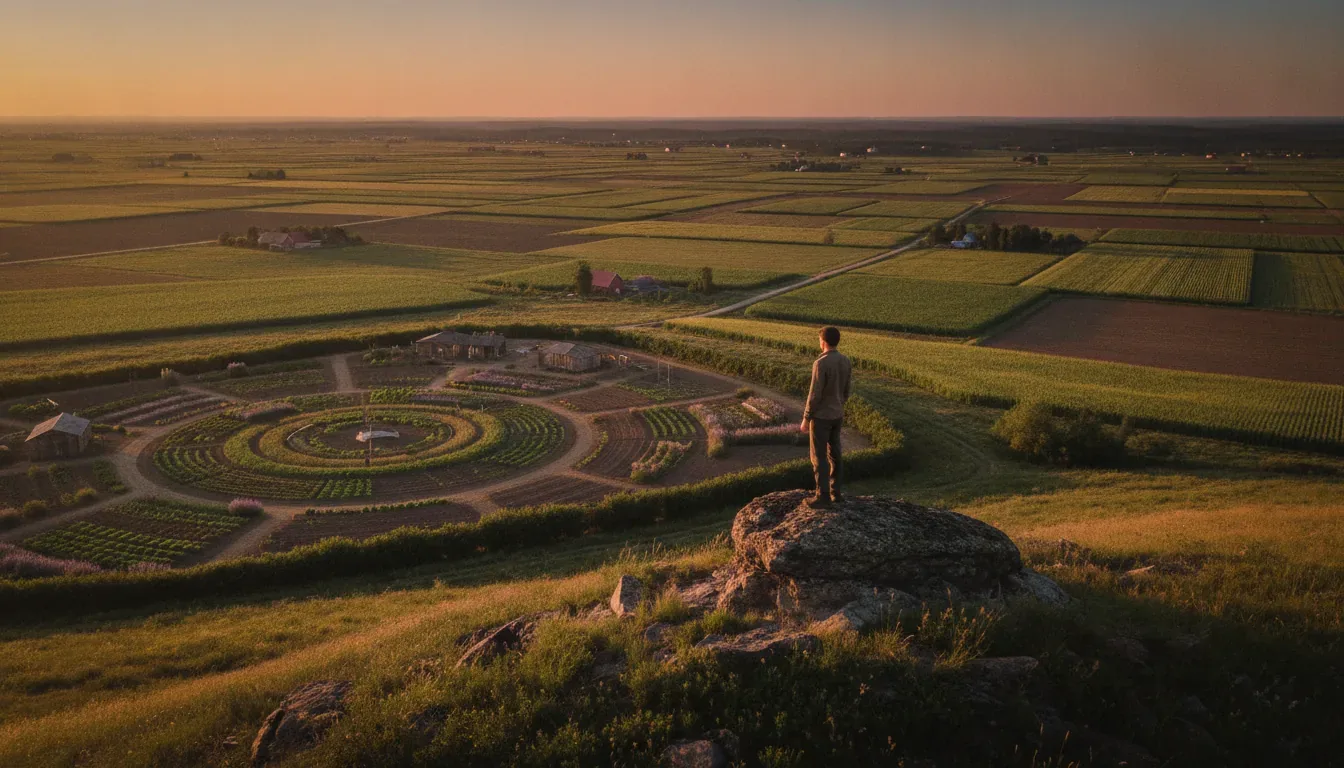
Village-theme design in a Bangalore context draws on vernacular typologies that prioritize breathable structures, shaded courtyards, and tactile materials such as clay, lime, and exposed brick. Landscape planning privileges native trees and mixed food forests, pairing staple crops with pollinator-friendly understory to keep biodiversity resilient. Water systems usually combine contour-based recharge, percolation pits, and micro-irrigation to honor seasonal variability. The social layer is central. Community spaces such as choultries, pavilions, open mandapas, and shared kitchens enable rituals, weekend haats, and intergenerational gatherings. Crop plans lean toward diverse kitchen gardens, heritage grains, and regionally familiar perennials that invite resident participation.
Prakruthi by Hasiru Farms frames this ethos as a lifestyle stack rather than decorative nostalgia. The stack includes agronomy that respects local agroclimatic patterns, maintenance protocols that reward soil health over short-term yield spikes, and programming that brings residents into the agricultural calendar. The sentiment it attracts is grounded: belonging, cultural continuity, and time-rich weekends without the overstimulation of high-footfall club culture.
Who Is the Ideal Buyer for a Village Theme?
The village theme suits investors who value cultural rootedness, sensory quiet, and community rituals. Families seeking intergenerational settings find utility in shared courtyards and slow-event calendars that engage elders and children. Creatives and knowledge workers who want a weekend refuge derive satisfaction from tactile materials, farm chores by choice, and hyperlocal food. Long-horizon investors comfortable with moderate yet steady appreciation and lifestyle dividends align well, since the thesis emphasizes community cohesion and soil-first agronomy over aggressive yield-chasing. Philanthropy-minded stakeholders who care about native species, seed diversity, and rural crafts also resonate with the program. In essence, the village theme rewards those who measure return not only in cash flows but also in cultural uptime, seasonal produce, and a predictable, unhurried cadence of life.
Other Managed Farmland Themes in Bangalore
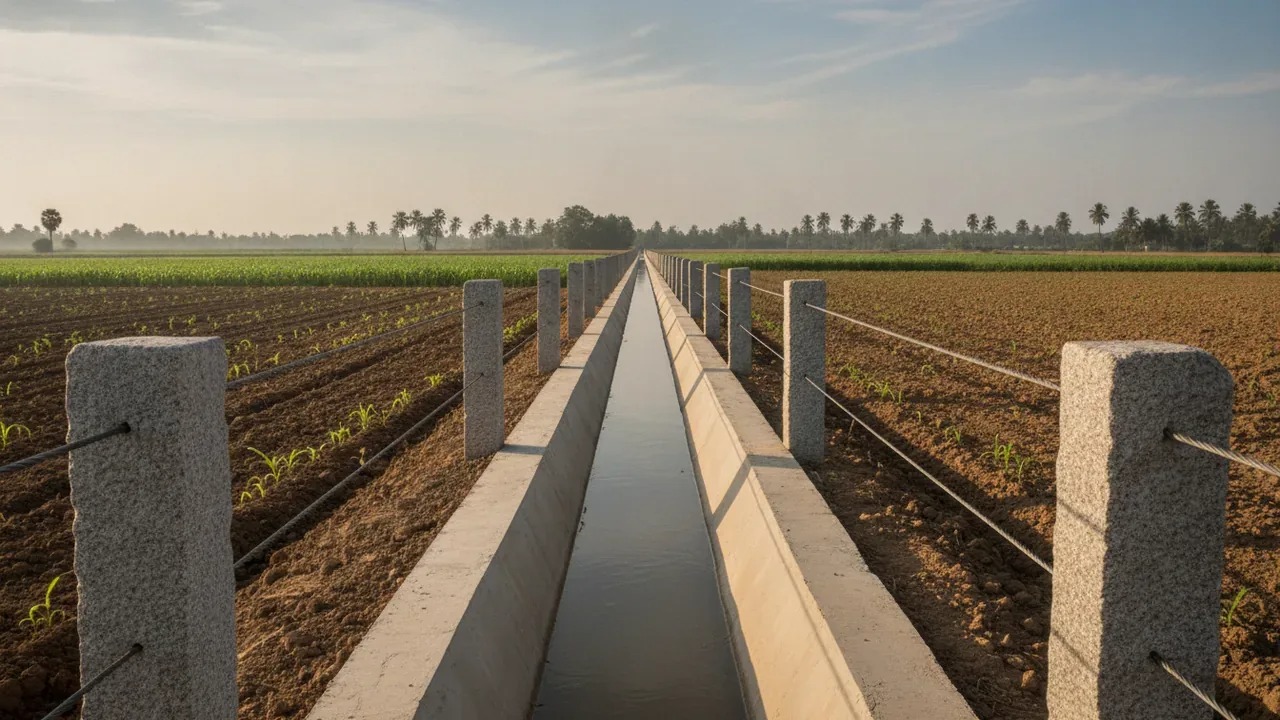
Managed Farmland in Bangalore now spans distinct design-operating models beyond the village aesthetic, each mapping to a particular lifestyle story and return horizon. An eco-modern sustainable theme treats the farm as a living lab. Core attributes include regenerative bed design, organic inputs, mulching regimes, livestock integration where suitable, and measurable outcomes such as soil organic carbon, water-use efficiency, and pesticide-free certification pathways. Architecture remains minimal and breathable, with solar integration, passive cooling, and greywater loops. Typical investor types prefer measurable impact, clean supply chains, and lower chemical dependency in daily life.
A luxury resort theme centers on leisure infrastructure. The program often includes a clubhouse, serviced villas, curated F&B, sports courts, and concierge scheduling for harvest participation. Staffing is heavier, capex per acre is higher, and the amenity calendar runs year-round. The draw is prestige and convenience. The cost structure reflects higher maintenance fees, while appreciation tends to track brand equity and amenity freshness.
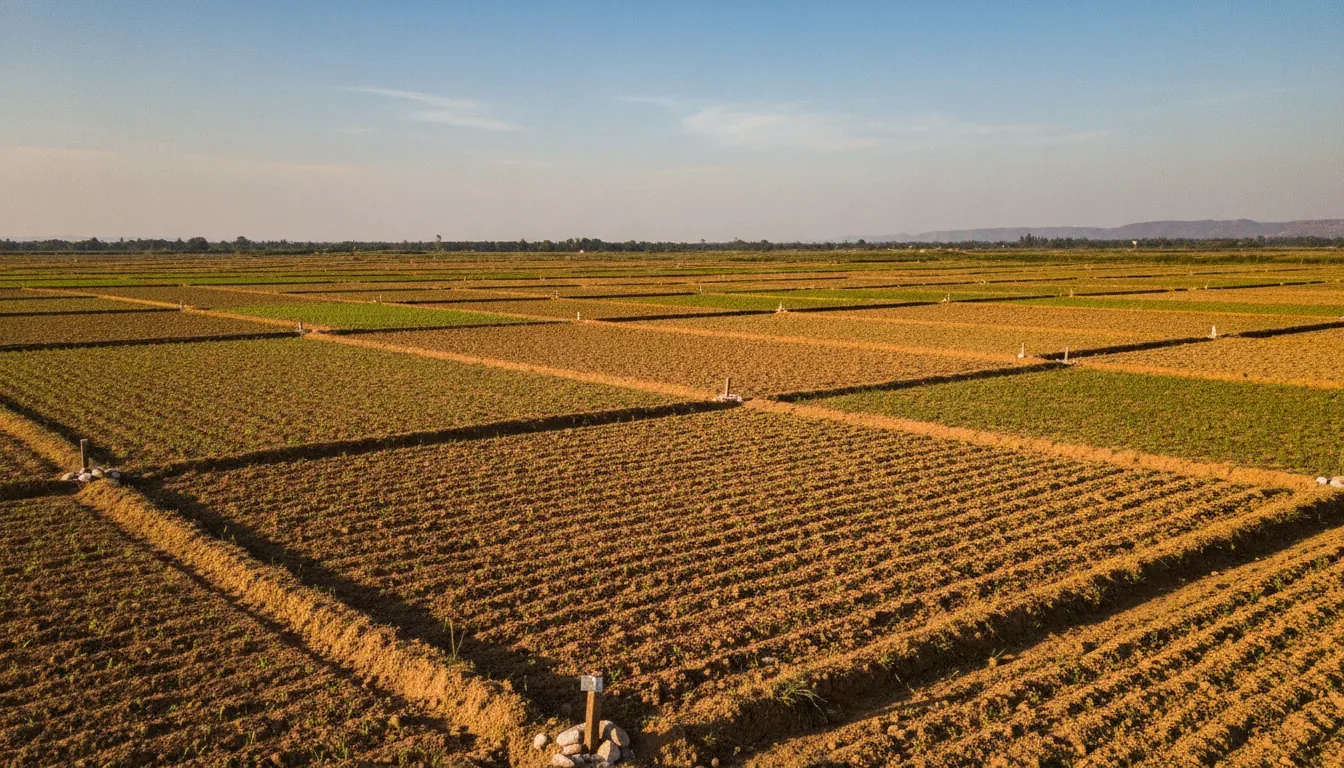
A plantation or cash-crop theme is an agriculture-first thesis. Core entities include mono or bi-crop strategies like coconut, arecanut, sandalwood, or timber species with long maturity cycles. Management plans emphasize irrigation reliability, disease management, bulk procurement of inputs, and farm-gate sales agreements. Returns skew long horizon and are sensitive to crop cycles and market prices. Architecture is secondary to agronomy.
Agro-wellness and tourism themes combine stay infrastructure with revenue from programs such as yoga retreats, botanical walks, cooking residencies, and weekend farm markets. The model thrives on curation and storytelling. Revenue can be seasonal and marketing heavy. Buyers with hospitality experience or appetite for experiential brands tend to align well.
Comparative Lifestyle Matrix: Village vs Other Themes
A clear matrix helps translate themes into daily experience, operational intensity, and return style. The grid below summarizes common predicates for Bangalore-focused Managed Farmland.
| Theme | Lifestyle identity | Primary operating system | Capex and upkeep | Community dynamic | Return style | Typical buyer fit |
| Village (Prakruthi) | Heritage, ritual, slow living | Mixed food forests, native species, seasonal events | Low to medium | High participation and neighbor familiarity | Moderate, driven by cohesion and steady amenity use | Culture-first families, creatives, legacy planners |
| Eco-modern | Regenerative and data-led | Soil-first agronomy, renewables, certifications | Medium | Purpose-driven, workshops and learning | Medium to high if certifications and direct-to-home supply scale | Sustainability-led professionals, health-focused households |
| Luxury resort | Prestige and comfort | Amenity-dense leisure calendar, serviced villas | High | Curated, more private than participatory | High when brand remains premium and occupancy is healthy | HNIs, brand-status driven buyers |
| Plantation / cash crop | Agriculture-first | Monoculture or bi-crop with irrigation reliability | Medium | Low to moderate, workday rhythms | Long-horizon, crop-price sensitive | ROI planners, patient capital |
| Agro-wellness / tourism | Experiential and hospitality | Retreat operations, seasonal programming | Medium to high | Event-centric, guest traffic | Variable, depends on occupancy and marketing | Entrepreneurs, hospitality investors |
Decision effort sits at the intersection of lifestyle identity and operations. A village theme optimizes for belonging and predictable weekends, while the resort paradigm targets seamless leisure regardless of season. Eco-modern rewards investors who enjoy impact metrics and farm learning. Plantation portfolios behave like long-term assets with biological growth cycles. Wellness-tourism rewards brand building and storytelling but introduces demand seasonality.
Two diagnostic prompts increase clarity. Which environment will be used most weekends without fatigue? Which operating system aligns with attention budget and fee comfort across five to ten years? Matrix answers often resolve ambiguity faster than price-per-acre comparisons.
Choosing the Right Farmland Theme: Lifestyle Alignment Framework
Theme selection improves when framed as a scored checklist rather than a mood board. Begin with identity signals. If cultural memory, vernacular spaces, and community gatherings feel essential, the village stack, exemplified by Prakruthi, ranks high. If measurable sustainability, low-input produce, and learning-led weekends matter, the eco-modern stack rises. If seamless service, premium fixtures, and club-grade leisure top the list, the resort stack leads. If agricultural output and timber-like timelines dominate, plantation logic wins. If curating retreats and guest experiences sounds exciting, agro-wellness earns the edge.
Translate identity into constraints. Attention budget determines operating fit. High-amenity resorts and wellness models ask for higher fees and calendar presence. Eco-modern requires buy-in to regenerative routines and audit cycles. Plantation requires patience with crop variability. Village living thrives when residents participate in seasonal events and shared maintenance norms.
Use a three-layer scorecard. Layer one is lifestyle resonance across space, pace, soundscape, and social texture. Layer two is operations across irrigation reliability, staff density, maintenance predictability, and governance quality. Layer three is returns, split into lifestyle dividend, rental or experience income where relevant, and appreciation drivers like road connectivity and brand trust.
Bangalore’s Managed Farmland Market Context
The Bangalore metropolitan region has witnessed a sustained surge in farmland-led lifestyle projects over the past decade. Improved connectivity through NICE Road, peripheral ring road expansions, and expressways toward Mysore, Kanakapura, and Hyderabad corridors have reduced travel times to weekend destinations. This improved accessibility has turned once-remote villages into feasible residential and leisure catchments. Managed farmland developers leverage this connectivity by offering curated projects that combine farm ownership with hospitality-level maintenance.
The demand driver is multi-layered. Rising urban stress and limited open space inside city boundaries push families to seek weekend retreats. Professionals in Bangalore’s technology and startup sectors use farmland as a lifestyle hedge: a space for slower weekends and a portfolio diversifier that differs from conventional apartments or commercial real estate. The farmland identity—unlike apartments—is theme dependent. A luxury-oriented buyer near Devanahalli values branding proximity to the airport. A heritage-conscious family finds comfort in Kanakapura’s rural temples and natural reserves. Sustainability-focused households align with eco-themed projects that promise pesticide-free produce and community farming.
Farmland appreciation is strongly tied to arterial infrastructure. Once a new bypass or metro extension is announced, peripheral projects gain liquidity. Legal clarity is another axis. Karnataka’s evolving norms around non-agricultural investors, farm conversions, and co-operative structures influence how projects are positioned. Managed farmland reduces some of these legal frictions by packaging compliance and documentation within developer services.
In this context, theme fit magnifies impact. Bangalore’s market is not a monolith. Each zone attracts different narratives: plantation-heavy corridors for ROI-focused investors, eco-modern belts for sustainability-oriented professionals, luxury-driven micro markets for prestige buyers, and heritage villages for families seeking continuity. The cultural diversity of Bangalore creates space for all themes, but selection becomes a decisive filter to avoid lifestyle mismatch.
FAQs
What makes a village-themed managed farmland unique compared to modern themes?
A village-themed project emphasizes cultural continuity, traditional architecture, and native crops. Unlike luxury or eco-modern options, the focus is less on premium services or sustainability metrics and more on shared rituals, slower rhythms, and intergenerational cohesion.
Which managed farmland theme gives better ROI in Bangalore?
ROI depends on theme alignment with demand. Plantation and cash-crop models may deliver stronger long-term returns when crops mature, while luxury themes often see appreciation tied to branding and infrastructure upgrades. Village and eco-modern projects yield steady but moderate returns, with lifestyle dividends often outweighing cash yields.
How does lifestyle preference influence farmland choice?
Lifestyle preference determines usage frequency and satisfaction. A buyer valuing quiet rituals aligns better with village models, while a professional desiring resort amenities gravitates toward luxury formats. Misalignment reduces long-term usage, undermining both returns and experience.
Is village-themed farmland suitable for investors focused on returns?
Village-themed farmland is better suited for cultural and lifestyle-driven investors than pure ROI seekers. While appreciation is steady, it is lifestyle continuity and community bonds that drive long-term value.
Are managed farmland projects legally safe in Karnataka?
Reputed developers design structures that comply with agricultural land laws, cooperative frameworks, and conversion requirements. Due diligence remains essential, but managed formats significantly reduce compliance burden for urban investors.
Conclusion: Aligning Lifestyle With Managed Farmland Themes
Theme fit governs the lived reality of managed farmland in Bangalore. Each theme expresses a specific operating system that sets rules for agronomy, architecture, service cadence, and community behavior. A village theme, exemplified by Prakruthi from Hasiru Farms, privileges cultural memory, native ecology, and predictable, ritual-led weekends. Eco-modern frameworks invite measurement, certification, and skill building around regenerative practices. Luxury resort formats deliver seamless leisure with heavier staffing and fee structures. Plantation models behave like long-duration assets tied to crop cycles and market exposure. Agro-wellness blends hospitality with story-driven revenue and seasonality.
Selecting among these paths works best through a three-layer lens: lifestyle resonance, operational alignment, and return style. Lifestyle resonance asks whether space, pace, soundscape, and social texture match household identity. Operational alignment tests irrigation reliability, staffing intensity, governance quality, and fee comfort through different maintenance cycles. Return style weighs lifestyle dividends alongside appreciation, crop cash flows, or hospitality income. A simple scorecard across these layers exposes the authentic preference set, reducing the risk of mismatch and churn.
Connectivity upgrades around Bangalore, rising appetite for open space, and professionalized farm management expand the addressable audience for theme-led projects. Yet differentiation increases, not decreases, the need for precise self-selection. A clear comparison matrix, persona fit notes, and Bangalore-specific context help investors translate marketing into day-to-day life. When the desired weekend rhythm, attention budget, and exit story line up, the chosen theme compounds satisfaction and value. For heritage-centered households seeking rooted community and soil-first routines, village-style living remains a compelling benchmark. For others, eco-modern, luxury, plantation, or agro-wellness stacks may deliver a closer match. The aim is simple: pick the operating system that will be lived in, not just looked at.