Introduction
The hills of Sakleshpur rise gently from the plains of Karnataka, their slopes covered in mist and the aroma of coffee blossoms. It is a region defined by rhythm — the steady drizzle that nourishes the plantations, the quiet mornings broken by bird calls, and the timeless pace of life that stands in contrast to the rush of nearby cities like Bangalore. For those seeking both an investment rooted in land and a retreat from urban routine, Sakleshpur offers a rare blend of natural abundance and accessibility.
The area’s appeal extends beyond its scenic charm. Its soil composition, elevation, and stable micro-climate make it one of the most suitable zones in southern India for high-value plantation crops such as Arabica coffee and black pepper. Alongside these agricultural advantages lies a growing interest in managed farmland projects — a model where investors can own farmland without managing day-to-day operations, often complemented by eco-living experiences within the same landscape.
The idea of “coffee, climate, and calm” captures the essence of why Sakleshpur has become a focal point for sustainable land ownership. It combines tangible agricultural value with the intangible yet powerful allure of serenity and belonging to nature. Managed developments like Vihaar by Hasiru Farms embody this philosophy, blending cultivation and comfort into a long-term, regenerative form of investment.
Key Takeaways / TLDR
- Sakleshpur’s elevation and consistent rainfall make it ideal for coffee and spice cultivation.
- The region’s tranquility and natural charm align with growing interest in eco-living and managed farmland investments.
- Proximity to Bangalore allows investors to balance city life with nature-connected ownership.
- Hasiru Farms’ Vihaar project exemplifies the integration of agricultural productivity and retreat living in Sakleshpur.
Table of Contents
What Makes Sakleshpur’s Climate Ideal for Plantations and Retreats
Sakleshpur’s unique climatic profile defines both its agricultural and lifestyle appeal. Sitting at an elevation of roughly 930 meters above sea level, the region experiences mild temperatures throughout the year, rarely exceeding 30°C. Its high humidity and rainfall exceeding 1,700 millimeters annually create the precise conditions required for premium coffee and spice cultivation. The combination of loamy soil, forest canopy, and filtered sunlight supports shade-grown plantations, protecting crops while maintaining biodiversity.
Arabica and Robusta coffee varieties thrive here due to the consistent monsoon cycle and natural shading from native trees. Pepper vines, often intertwined with silver oak and teak, benefit from the same environment, forming a resilient agroforestry system that balances productivity with ecological integrity. This natural equilibrium makes Sakleshpur’s produce highly valued in specialty markets, where flavor depth and sustainability are prized attributes.
Beyond agriculture, the climate’s steady rhythm brings a sense of peace rare in fast-paced urban life. Morning mists drift over hillsides, and the cool air carries the fragrance of coffee blossoms and damp earth. These sensory qualities have transformed the area into a desirable location for retreats and weekend homes. Unlike other hill regions that depend on seasonal tourism, Sakleshpur’s year-round temperate climate sustains continuous habitation and agricultural activity.
For managed farmland developers and investors, this balance is essential. Stable climate means consistent yields, reduced ecological stress, and an inviting environment for experiential living. In Sakleshpur, climate becomes both an economic and emotional asset — sustaining crops while nurturing calm.
The Coffee Belt and Spice Matrix of Sakleshpur – Agricultural Heritage Meets Investment
Sakleshpur’s hills are part of India’s storied coffee belt that stretches through the Western Ghats, known for producing shade-grown beans of exceptional quality. Coffee arrived here during the colonial period but took on a distinctly local character as it blended with traditional Malenadu farming systems. Over generations, farmers integrated pepper vines, cardamom, and timber trees into the coffee estates, creating a diverse, self-sustaining plantation ecosystem.
This intercropping model is both ecologically efficient and economically balanced. Coffee acts as the core crop, while pepper and cardamom provide supplementary revenue streams with different harvest cycles. Timber trees such as silver oak add long-term value, serving as windbreaks and eventual high-value assets. The result is a multi-layered agricultural design that aligns naturally with the principles of managed farmland development — steady income, biodiversity preservation, and soil renewal.
For investors evaluating farmland opportunities near Bangalore, this crop ecosystem represents reliability. Coffee and pepper have global markets, ensuring price stability, while timber and spices diversify returns over time. The inherent resilience of Sakleshpur’s agriculture protects it against monsoon variability and market fluctuations.
Managed farmland models like Hasiru Farms’ Vihaar integrate this traditional agroforestry wisdom with modern management and transparent operations. The plantations are maintained professionally, while owners benefit from structured yields, clear documentation, and optional retreat access. By merging heritage cultivation with structured ownership, Sakleshpur transforms from a quiet plantation town into a sustainable investment landscape rooted in both culture and climate.

From City to Slope: Accessibility for Bangalore-Based Investors
For investors and second-home seekers from Bangalore, Sakleshpur’s accessibility is a defining advantage. Located roughly 220 kilometers away, the region sits along the NH75 corridor connecting Bangalore to Mangalore — a smooth, well-maintained route that cuts through scenic ghats and forested ridges. The drive typically takes around four to five hours, making weekend visits both convenient and refreshing. This proximity has turned Sakleshpur into a preferred location for managed farmland ownership, offering the feel of a distant retreat without logistical challenges.
Infrastructure development along this route has been steady. The Hassan–Sakleshpur–Subramanya road network supports easy connectivity to key plantations, eco-resorts, and farmland communities. As tourism and agro-based projects continue to grow, complementary facilities such as boutique homestays, farm stays, and hospitality hubs have emerged along the way. This accessibility ecosystem enhances the livability and long-term asset value of farmland investments in the region.
For Bangalore-based professionals, this proximity allows dual usage of the asset — as a weekend retreat for rest and as a productive managed farmland generating regular returns. The “city-to-slope” transition aligns with lifestyle shifts toward nature-integrated living, where time spent in green spaces is increasingly viewed as a form of wellness and restoration.
In investment terms, good road connectivity and regional development translate to appreciation potential. Farmland in Sakleshpur continues to hold stable value due to controlled development norms and sustained interest from urban buyers seeking climate-stable agricultural holdings. Accessibility here is not merely physical; it represents a bridge between the urban investor’s financial goals and the ecological rhythm of the countryside.
Managed Farmland Model in Sakleshpur – Investment and Lifestyle
Managed farmland projects in Sakleshpur represent a modern approach to land ownership, balancing agricultural productivity with experiential living. Instead of requiring owners to cultivate the land themselves, professional management teams handle the plantation, operations, and yield optimization while ensuring compliance with regional agricultural guidelines. This model transforms what was once a complex, maintenance-heavy process into a structured and transparent investment experience.
The framework typically includes ownership of a defined plot within a larger estate, collective management of farming activities, and shared infrastructure such as irrigation systems, access roads, and hospitality facilities. Investors receive periodic yield reports and returns from crops like coffee, pepper, and timber while retaining the ability to visit and stay on the property.
In Sakleshpur, where the plantation ecosystem is naturally suited to such models, managed farmland investments are further reinforced by the stability of crop cycles and consistent climatic patterns. Coffee harvests, pepper yields, and timber growth provide tiered income timelines — short, medium, and long term — reducing dependency on a single revenue stream.
Projects such as Hasiru Farms’ Vihaar embody this hybrid approach. Beyond generating returns from plantations, Vihaar integrates eco-living spaces like treehouses and open retreats, creating both emotional and economic value. For investors, this blend of professional management and personal access transforms farmland from a passive investment into a living, tangible experience — one that grows in both value and meaning.
Why the Retreat Factor (Calm) Adds Value Beyond Agriculture
Sakleshpur’s calm is not incidental; it is the natural consequence of its geography and pace. The region’s rolling hills, dense forests, and rhythmic rains create a sensory atmosphere that resets the mind. For investors seeking refuge from the pace of city life, this tranquility becomes a form of value — not easily measured in financial terms but deeply impactful in lifestyle appeal.
Retreats in Sakleshpur often take the form of nature-integrated dwellings — treehouses, hill cottages, or open verandas surrounded by coffee and pepper plants. The design philosophy emphasizes minimal intrusion and maximum connection to nature, echoing global trends in sustainable living and biophilic design. This setting supports reflective time, family connection, and a slower pace — all while maintaining modern comfort and accessibility.
For managed farmland investors, such experiential qualities amplify the desirability and liquidity of the property. Farmland that doubles as a retreat or hospitality space tends to hold a premium because it merges personal wellness with financial resilience. The “calm factor” becomes a non-monetary driver of sustained demand among Bangalore buyers who value spaces that nurture both body and mind.
Hasiru Farms integrates this insight directly into Vihaar’s project design. Beyond crop management, it cultivates spaces meant for quiet habitation — forest-view stays, organic gardens, and community trails. The retreat experience is not treated as a luxury addition but as part of the land’s natural rhythm. It’s where calm itself becomes an appreciating asset, sustaining value through both emotion and ecology.
Key Metrics & Investment Checklist for Sakleshpur Farmland
Investing in Sakleshpur’s farmland requires a balanced understanding of natural parameters, legal frameworks, and agronomic potential. The region’s appeal is built on its fertile soil and predictable rainfall, but investors benefit most when they evaluate the land through measurable indicators rather than aesthetics alone.
The first layer of assessment focuses on topography and soil health. Sakleshpur’s rolling slopes support natural drainage, which is ideal for coffee plantations. Loamy and lateritic soils with rich organic content enhance root health and crop flavor profiles. Investors should review soil reports that assess pH balance, nutrient levels, and water-retention capacity to determine suitability for multi-crop cultivation.
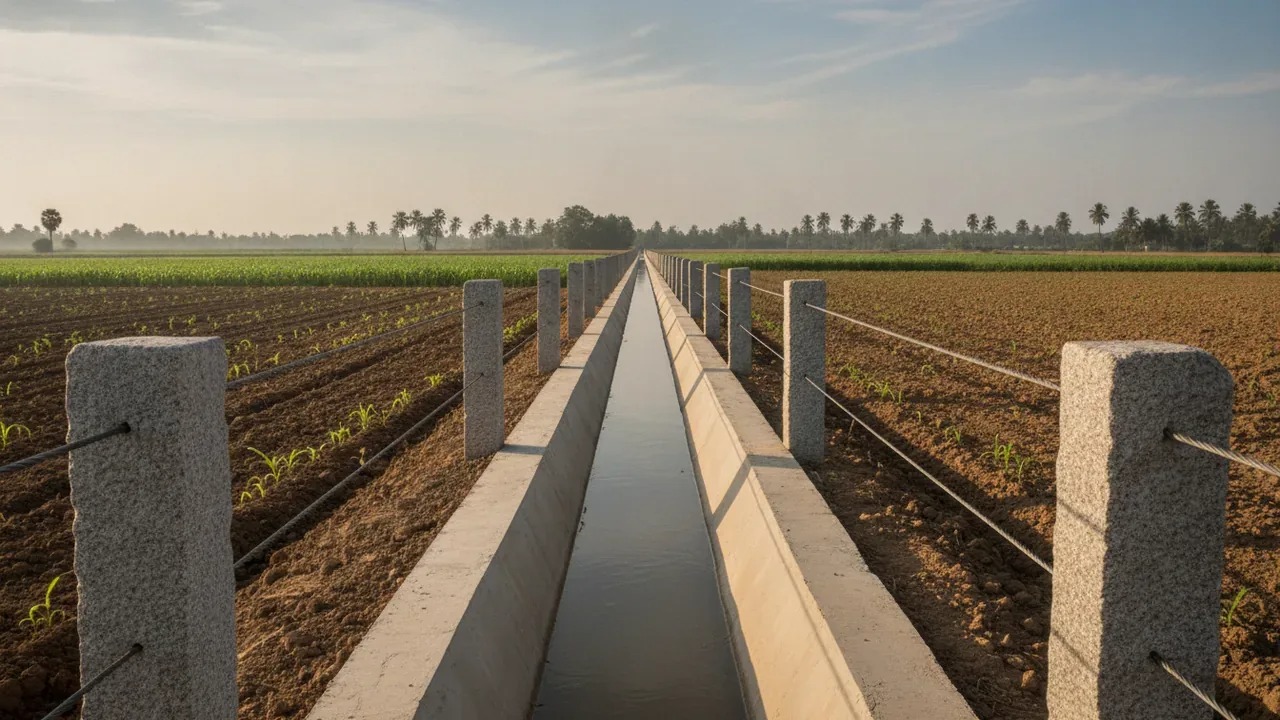
The second layer involves water availability and irrigation access. With rainfall exceeding 1,700 mm annually, Sakleshpur supports rain-fed crops, yet reliable irrigation ensures consistency during dry spells. Managed farmland developers typically maintain rainwater harvesting systems, drip irrigation lines, and contour channels to sustain plantations year-round.
Crop selection and yield diversification form the third layer. Coffee, pepper, cardamom, and timber trees combine to form a stable yield model. While coffee provides seasonal returns, pepper adds medium-term profits, and timber yields accrue long-term capital appreciation. This layered structure balances cash flow and capital growth.
Legal verification completes the checklist. Agricultural land in Karnataka must conform to state land laws, ensuring clear title and agricultural usage compliance. Professional projects like Vihaar manage ownership registration, zoning, and conversion paperwork under transparent documentation practices.
For investors from Bangalore, aligning these metrics ensures clarity in both ecological and economic terms. Land in Sakleshpur functions as a long-term appreciating asset precisely because it combines fertile land, reliable rainfall, and legal transparency within a managed, sustainable framework.
FAQs and Common Queries from Bangalore Investors
What is the distance between Bangalore and Sakleshpur, and how long does it take to drive?
The distance is approximately 220 kilometers, accessible via NH75. The drive takes around 4 to 5 hours, depending on traffic and weather conditions.
Can non-farmers purchase agricultural land in Karnataka?
Yes, under the current Karnataka Land Reforms Act (amended 2020), individuals with a non-agricultural background can purchase farmland, provided they comply with state norms on usage and ownership. Managed farmland projects like Vihaar assist with this process through verified documentation.
What kind of returns can be expected from coffee and spice plantations?
Returns vary depending on yield cycles, crop diversification, and management efficiency. Typically, coffee provides annual harvest-based returns, while pepper and timber add periodic income across 3–10 year timelines.
How often can owners stay on managed farmland like Vihaar?
Owners have designated stay days annually within pre-scheduled windows. The management team coordinates visits to ensure comfort while maintaining plantation integrity.
How does Sakleshpur’s rainfall affect farming reliability?
High annual rainfall benefits most crops, but structured irrigation and soil management are vital for stability. Professional management teams in projects like Vihaar maintain water-harvesting systems that offset monsoon variability.
Sakleshpur’s managed farmland market continues to attract Bangalore investors who value nature-based living supported by professional stewardship. Transparent management, ecological design, and accessibility have made it one of Karnataka’s most stable and rewarding regions for land ownership.
Conclusion — Sakleshpur’s Quiet Transformation into a Modern Farmland Haven
Sakleshpur has emerged as one of Karnataka’s most compelling destinations for nature-aligned investments. Its misty slopes, fertile soil, and coffee-scented air create more than just visual beauty — they form a living ecosystem that sustains both crops and communities. What was once a remote plantation region is now a center of sustainable farmland innovation, balancing modern ownership structures with the rhythm of natural growth.
The rise of managed farmland projects, especially initiatives like Vihaar by Hasiru Farms, has redefined what it means to own land. It is no longer limited to passive asset holding; it extends into meaningful participation in agriculture, ecology, and community. Each plot represents not just a parcel of soil but a promise of continuity — of food, oxygen, and the calm that comes from reconnecting with nature’s cycles.
For Bangalore-based investors, Sakleshpur offers something that urban real estate cannot replicate: a tangible connection to the earth combined with the professional security of transparent management. The experience bridges investment logic with emotional value — earning returns while reclaiming time, air, and silence.
Sakleshpur’s future is not in mass tourism or unchecked expansion. Its future lies in responsible ownership, where each investor becomes a custodian of green heritage. Projects like Vihaar exemplify this philosophy, ensuring that growth aligns with ecological wisdom. As managed farmland continues to gain momentum, Sakleshpur stands ready — not as a trend, but as a timeless answer to what land ownership should truly mean.