Introduction
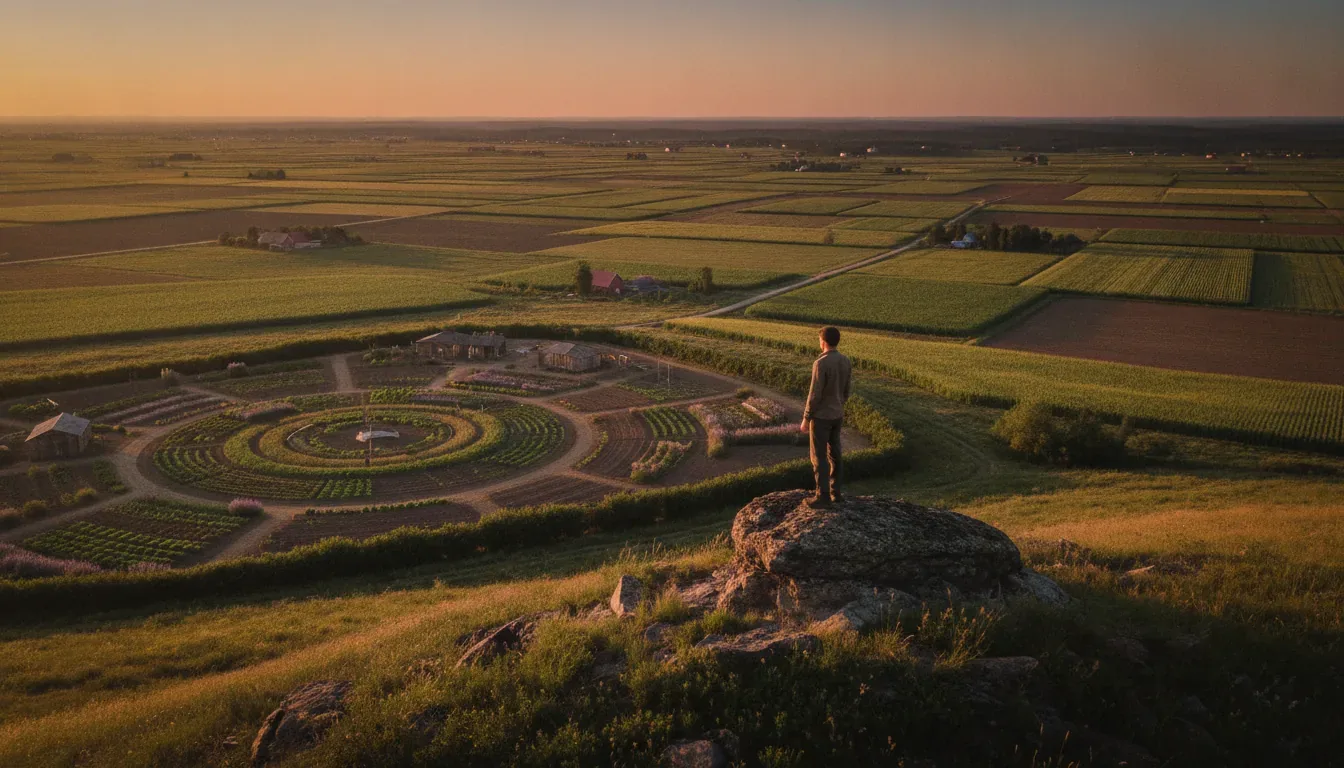
Managed farmland is attractive for a simple reason: it promises land ownership without turning your Farm plot weekends visit into a second job.
But most regrets in managed farmland do not come from buying land.
They come from buying unclear terms.
- “I thought maintenance included that.”
- “I did not know there were extra charges for this.”
- “I assumed I could do X on my plot.”
- “I did not realize updates would stop after registration.”
- “I did not understand the resale process.”
If you are a busy IT professional, you do not need more information. You need a better filter.
This article is that filter: 15 questions that protect you from the common regret traps, plus what a good answer sounds like, what proof to demand, and what red flags to treat as deal-breakers.
Important note: This is general buyer education, not legal advice. Always verify documents, eligibility, and agreements with an independent property lawyer.

Table of Contents
Quick answer: the three things your questions must protect
If these three are clear, your regret risk drops massively:
- What you own and what you can do with it
- What is included in management, and what is excluded
- What happens after purchase: water plan, upkeep, updates, and exit
Everything else is secondary.
How to use these 15 questions (so they actually work)
Ask these questions in three phases. This is the semantic structure that prevents confusion.
Phase 1: Before the site visit (screening call)
Goal: eliminate poor-fit options quickly.
Questions: 1, 3, 8, 9, 11, 15
Phase 2: During the site visit (on-ground verification)
Goal: validate reality against claims.
Questions: 2, 4, 10, 12, 13, 14
Phase 3: Before booking (written confirmations)
Goal: remove ambiguity before money changes hands.
Questions: 5, 6, 7, 15 (again), plus “proof checklist” section
The written-proof rule
If a claim affects your money, your rights, or your long-term experience, it must be written. Verbal promises do not survive team changes.
Category A: Ownership clarity and boundaries
1) What exactly am I purchasing?
Ask them to state it plainly.
What you want to hear
- “You are purchasing a clearly defined plot with identifiable boundaries and documentation that matches the plot.”
What to ask next
- Is it a clearly demarcated plot or an undivided share type structure?
- How will my plot be identified on ground?
Proof to request
- A written description of the ownership structure
- A sample plot layout reference showing how plots are identified
Red flags
- They keep it vague or use only marketing terms like “experience” without clarifying ownership structure.
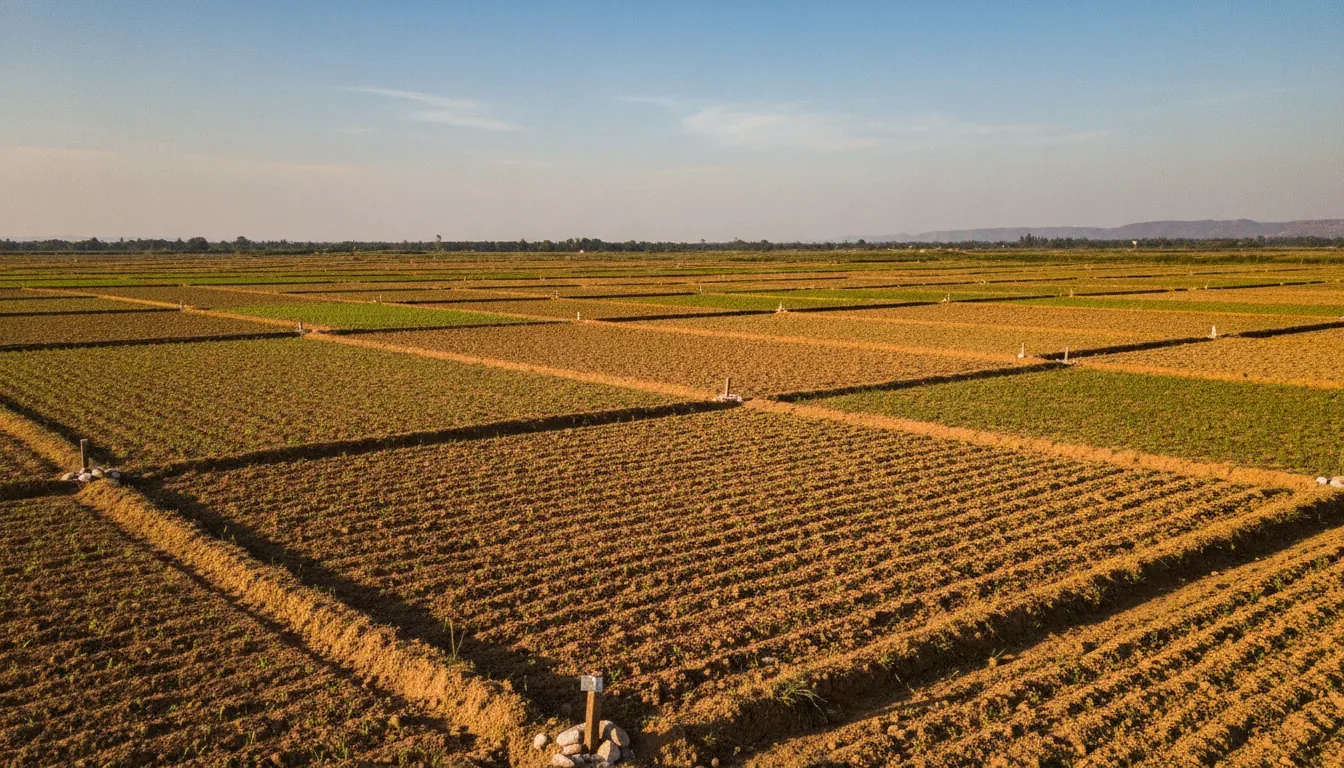
2) How is plot demarcation done, and how is boundary clarity maintained long-term?
This prevents the “I own it but it feels blurry” regret.
What you want to hear
- “Demarcation is done using a defined method, and boundaries are verifiable on-site.”
What to look for on-site
- Are plots physically identifiable?
- Are boundaries consistent across the community?
Proof to request
- A written demarcation process description
- Any record or method they use to keep boundary clarity consistent
Red flags
- “We will show you later” or “do not worry, it is all understood.”
3) What can I build or set up on my plot, and what is not allowed?
This is where many buyers get shocked later.
Ask for specifics
- Can I put a small seating area?
- Can I fence my plot?
- Can I plant my own trees?
- Can I create a temporary shed?
- Are there restrictions on construction or usage?
Proof to request
- Community rules or guidelines in writing
- A permitted and not-permitted list
Red flags
- “You can do anything” with no written rules
- “You can do nothing” with no explanation
- “We will decide later” (this kills long-term confidence)
4) What are my visitation rights and usage rules?
You are buying a lifestyle, not just paperwork.
Ask
- Can I visit anytime?
- Are there entry timing restrictions?
- Can my family visit without me?
- Can I host guests?
- Are there rules about events, noise, pets, or vehicles?
Proof to request
- Visitor policy in writing
Red flags
- Restrictions that are revealed only after booking
- No clarity on family access
Category B: Documentation and registration hygiene (high-level only)
5) Which documents can I review before paying any token?
This is non-negotiable for a buyer who wants safety.
What you want to hear
- “You can review the key documents before paying token, and you can verify independently.”
Proof to request
- A document access checklist in writing (what they will show, when they will show it)
Red flags
- “Token first, documents later”
- “Our lawyer has checked it, so you do not need to”
- Pressure tactics framed as “limited availability”
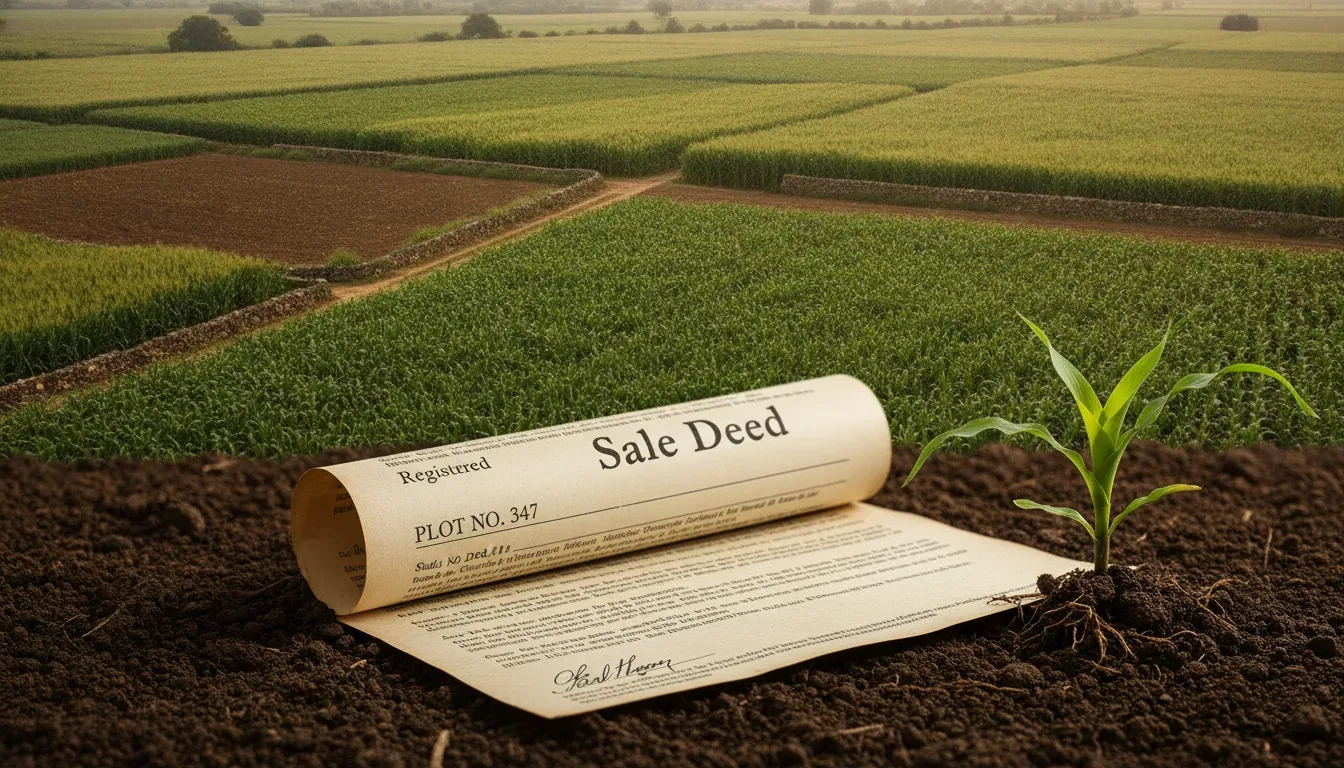
6) What is the registration pathway and who does what?
Managed farmland often feels smooth until the registration details get vague.
Ask
- What steps happen from booking to registration?
- Who coordinates what?
- What do I need to do personally?
- What is the expected timeline, and what can cause delays?
Proof to request
- A simple step-by-step process sheet in writing
Red flags
- No clear process
- No clear timeline explanation
- “We will handle everything” but cannot describe how
7) Are there any known land risk categories I should be aware of?
You are not asking them to give legal advice. You are asking them to be transparent.
Ask
- Are there any known risks in this land type or area that buyers commonly check?
- How do you reduce those risks?
- What should my lawyer verify specifically?
Proof to request
- Their standard “buyer verification checklist” (high-level)
Red flags
- “There are no risks” (every land purchase has risk and verification steps)
- Defensive answers when you ask for transparency
Category C: Management scope and operations
This is the heart of managed farmland. Most regret comes from vague scope.
8) What does “management” include, month by month in year one?
Ask them to explain like you are a project manager.
What a good answer sounds like
- Clear tasks and cadence: planting, watering, pruning schedules, upkeep, security, and seasonal routines
- Clear ownership responsibilities versus operator responsibilities
Proof to request
- A scope document in writing
- A first-year operations calendar overview
Red flags
- “We manage everything” without details
- No month-by-month clarity
- They cannot explain what changes in summer or monsoon
9) What does management exclude, and what can become extra charges later?
This question prevents the most common surprise.
Ask directly
- What is excluded from standard management?
- What are optional add-ons and their typical triggers?
- Are there any one-time charges after booking?
Proof to request
- A fee sheet that separates: included, excluded, optional paid add-ons
Red flags
- “No extra charges ever” with no written fee sheet
- Refusal to list exclusions clearly
10) Who executes the work on ground, and how is quality monitored?
Execution quality decides whether the model works.
Ask
- Is the team in-house or contractor-driven?
- Who supervises work?
- How do you handle replacements if staff changes?
- What are your quality checks?
Proof to request
- A simple accountability map: who is responsible for what
- Sample reporting or monitoring format
Red flags
- “We have a team” without roles and accountability
- No explanation of how quality issues are detected and fixed
Category D: Water and summer readiness (buyer-level)
You do not need to become a hydrogeologist. You need to test planning quality.
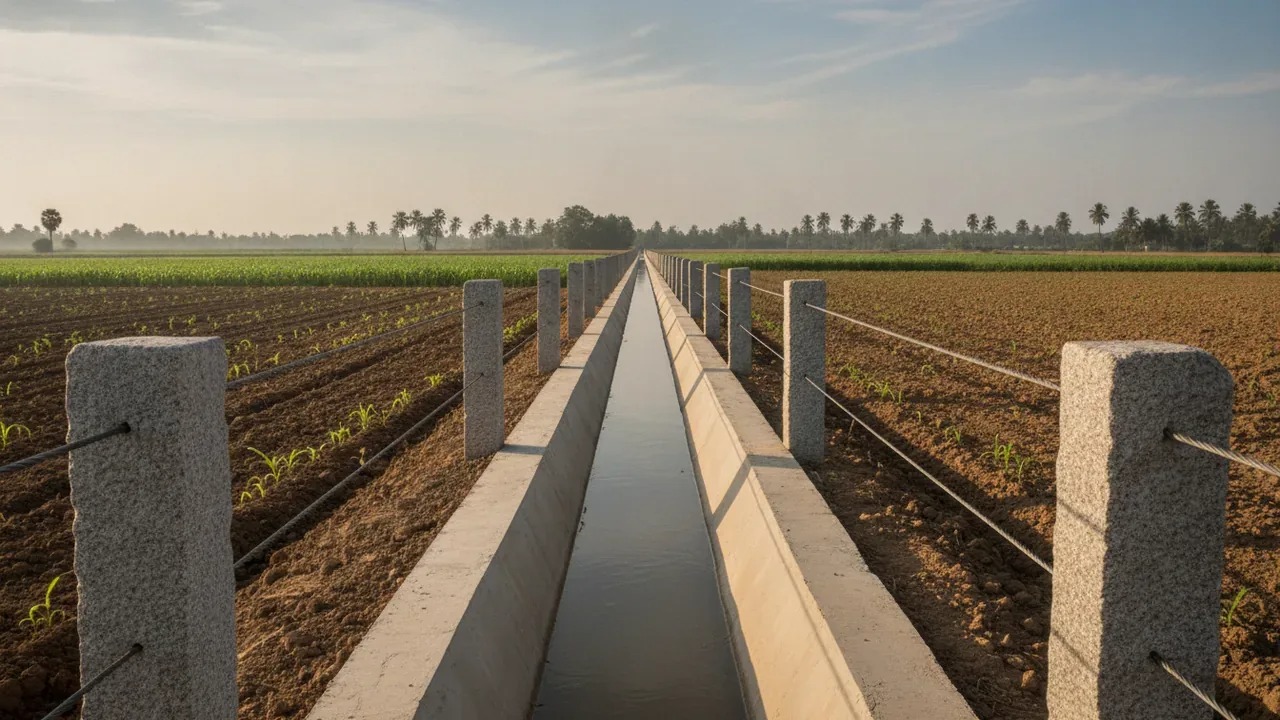
11) What is the April to May water plan, and what is the fallback if yield drops?
Peak summer is where many managed farms get exposed.
Ask
- What happens in April and May?
- What is the irrigation method?
- Is there storage?
- What is the backup plan if borewell yield drops?
Proof to request
- A written summer plan summary
- Clarity on what the operator does vs what owners must fund
Red flags
- “Water is not an issue” without a plan
- “Guaranteed borewell” style statements
- No fallback plan
12) What irrigation approach is used, and why?
This reveals whether the operator thinks in systems.
Ask
- Do you use drip irrigation for plantations?
- How do you reduce water wastage?
- How do you handle irrigation scheduling when owners are not present?
Proof to request
- A high-level irrigation strategy note
Red flags
- They talk only in slogans, not in practical steps
- No explanation of how they manage worst-month conditions

Category E: Governance and community experience
Managed farmland is not only land plus maintenance. It is a shared environment. Governance matters.
13) What are the community rules, and how are they enforced?
Rules are not about control. They are about protecting your experience.
Ask
- Noise, pets, construction standards
- Common area usage norms
- Waste and cleanliness norms
- Visitor behavior rules
- How conflicts are resolved
Proof to request
- Governance rules document
Red flags
- “No rules, everyone is free” (this often becomes chaos)
- “Rules exist but we do not share them before booking”
14) What common infrastructure exists, what is planned, and who maintains it long-term?
Infrastructure creates usability, but only if maintained.
Ask
- Internal access, signage, common areas
- Security approach
- Plantation common maintenance standards
- Who maintains what and how costs are handled
Proof to request
- A long-term maintenance responsibility sheet
Red flags
- Big promises with no maintenance plan
- No clarity on who pays for long-term upkeep
Category F: Costs, updates, and exit clarity
This category protects you from financial surprises and feeling stuck.
15) What are the recurring charges, update cadence, and resale rules?
This is three questions in one because they are linked.
A) Recurring charges
Ask:
- What is recurring and what does it cover?
- When can charges change?
- Are there penalties for late payments?
B) Updates
Ask:
- How often will I receive updates?
- What format (photos, reports, dashboard, calls)?
- Who is accountable if updates stop?
C) Exit and resale
Ask:
- Can I sell anytime?
- Is there a process for transfers?
- Are there fees or restrictions?
Proof to request
- Written fee sheet
- Sample update format
- Written resale and transfer policy
Red flags
- Exit rules that are unclear or overly restrictive
- Updates are promised but not structured
- Charges are vague and open-ended
The proof checklist: what to ask for before you book
Use this as your “booking gate.” If they cannot provide these, do not book.
- Ownership structure clarity in writing
- Plot demarcation method and boundary clarity approach
- Community rules and governance document
- Management scope document with inclusions and exclusions
- Fee sheet separating recurring, optional, and conditional charges
- Summer water plan summary and fallback approach
- Sample owner update format
- Step-by-step process from booking to registration
- Resale and transfer policy document
This is not about being difficult. This is how you buy calmly.
Red flags that predict regret (treat these seriously)
- Token pressure before document access
- “Guaranteed” statements about water or returns
- Scope described only in marketing language, not in tasks
- Exclusions and extra charges not disclosed clearly
- No governance rules, or rules disclosed only after booking
- Updates promised verbally with no cadence or sample
- Resale and transfer unclear or restrictive without transparency
If you notice two or more of these, pause and compare alternatives.
The no-token-until checklist (copy-paste)
Do not pay token until you can say yes to all.
- I understand what I am purchasing and how it is identified on ground
- I have read the scope document and the exclusions
- I have seen the fee sheet and understand recurring charges
- I understand the summer water plan and fallback
- I have seen the governance rules
- I have seen a sample update format
- I understand the booking-to-registration process
- I understand resale and transfer rules
- My independent lawyer has reviewed relevant documents
Compare two options with a simple 10-point scorecard
Score each from 0 to 2.
- Documentation clarity (0 to 2)
- Scope clarity (0 to 2)
- Summer readiness plan (0 to 2)
- Governance and standards (0 to 2)
- Exit and fees clarity (0 to 2)
Interpretation:
- 8 to 10: strong option worth deeper due diligence
- 6 to 7: proceed only if gaps can be closed in writing
- 0 to 5: high regret risk, walk away
A practical call script you can use (busy IT buyer version)
You can copy this into your notes app.
- Please confirm what exactly I own and how the plot is identified on ground.
- Please share what management includes and excludes, in writing.
- Please confirm the April to May water plan and fallback.
- Please share recurring charges and optional add-ons clearly.
- Please share governance rules and update cadence.
- Please confirm resale or transfer rules and any fees.
- I will not pay token until I can review documents and have my lawyer verify.
This script alone will filter out most risky operators.
A note on Hasiru Farms (and any managed farmland operator)
If you are evaluating Hasiru Farms or any other managed farmland provider, this checklist remains the same.
A credible operator will not be offended by these questions. They will respect them, because clear buyers become long-term happy owners.
Use the 15 questions to evaluate:
- clarity of scope
- consistency of execution
- governance and standards
- summer readiness planning
- transparency through updates
- exit clarity
The goal is not to find a brand. The goal is to find a system that matches your schedule.
Conclusion
Booking a managed farm plot is not only a purchase. It is a long-term relationship with an operating model.
Most regret comes from unclear boundaries, unclear scope, surprise charges, weak updates, and unclear exit rules. All of those problems are predictable if you ask the right questions early and demand the right proofs in writing.
If you are a busy IT professional, the best managed farmland choice is the one that protects your weekends. That means:
- ownership clarity
- written scope
- summer readiness
- governance standards
- predictable updates
- and an exit path that does not trap you
Ask these 15 questions, collect written proof, and only then book. That is how you buy calmly and enjoy the land later.
FAQs
1) What is the single most important question before booking a managed farm?
Ask what management includes and excludes in writing, and what changes in peak summer. Scope clarity prevents most regret.
2) Should I pay token before seeing documents?
A safer buyer rule is: no token until you can review key documents and verify independently.
3) How do I know if “managed” is real or just marketing?
A real model can describe month-by-month operations, exclusions, accountability, and how quality is monitored, and it will provide written scope.
4) What are common hidden charges in managed farmland models?
Optional add-ons, conditional maintenance work, infrastructure-related charges, and changes in recurring fees. Ask for a fee sheet that separates included, excluded, and optional paid items.
5) What update frequency is reasonable?
There is no single standard, but a serious operator should define a cadence and show a sample update format. If updates are vague, treat it as a red flag.
6) What is the biggest water-related question to ask?
Ask for the April to May plan and fallback if water availability changes. Summer truth matters more than rainy season promises.
7) Can I resell a managed farm plot easily?
It depends on the operator’s resale and transfer rules. Ask for the process in writing, including any fees or restrictions.
8) Why do governance rules matter so much?
Because you are buying into a shared environment. Without enforceable standards, the experience can degrade even if the land is good.
9) How many site visits should I do before booking?
At least one detailed visit is essential. If you can do two visits in different seasons, your confidence improves.
10) How do I compare two managed farmland projects quickly?
Use the 10-point scorecard and shortlist only options that score 8 or above, then proceed with deeper due diligence.