Most people don’t wake up and say, “I want to buy farmland.”
It usually starts with something more human: the city feels loud, the weeks feel fast, and family time gets squeezed into errands. You start craving a place where the air changes, where your kids can run without you checking the clock every five minutes, and where “doing nothing” finally feels like something.
Parva by Hasiru Farms is designed around that craving, without losing sight of the other big question every buyer asks: will this make sense ten years from now?
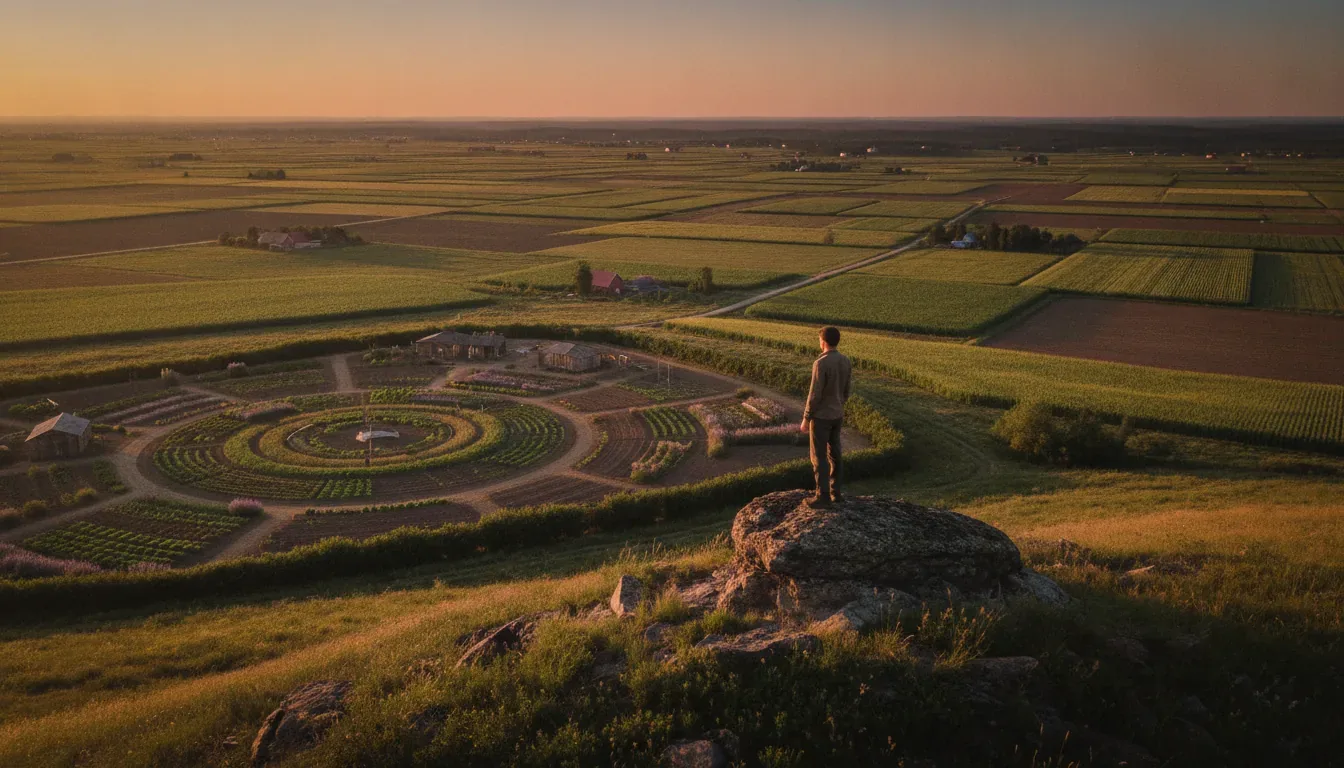
Parva is presented as an exclusive 17-acre managed farm-plot project near Kanakapura, planned as a nature-first community with perennial/seasonal water features, curated plantations, and experiences that make ownership feel usable, not theoretical.
Why invest in Parva
The strongest reason isn’t just “land appreciation.” It’s that Parva tries to solve the most common farmland problem for city buyers: you buy land, but you don’t actually get to enjoy it because the maintenance is hard, security is uncertain, and the place never feels ready.
Parva is positioned as a managed model. That means the intent is to keep the land cared for as a system, so your visits don’t turn into maintenance days.
There’s also a clear “patient value” story built into the plantations. The project highlights curated sandalwood and fruit trees, plus 50+ native and fruit-bearing plantations per plot. It’s not a quick-return promise; it’s an ownership style that matures over time and looks better each year you hold it.
And then there’s the practical lifestyle math. Parva lists drive-time cues like 90 minutes from Jayanagar and 60 minutes from Nice Road Junction, which matters because the best farm plot is the one you can actually use on a Saturday without turning it into an expedition.

Project snapshot
On paper, Parva keeps things intentionally tight and premium.
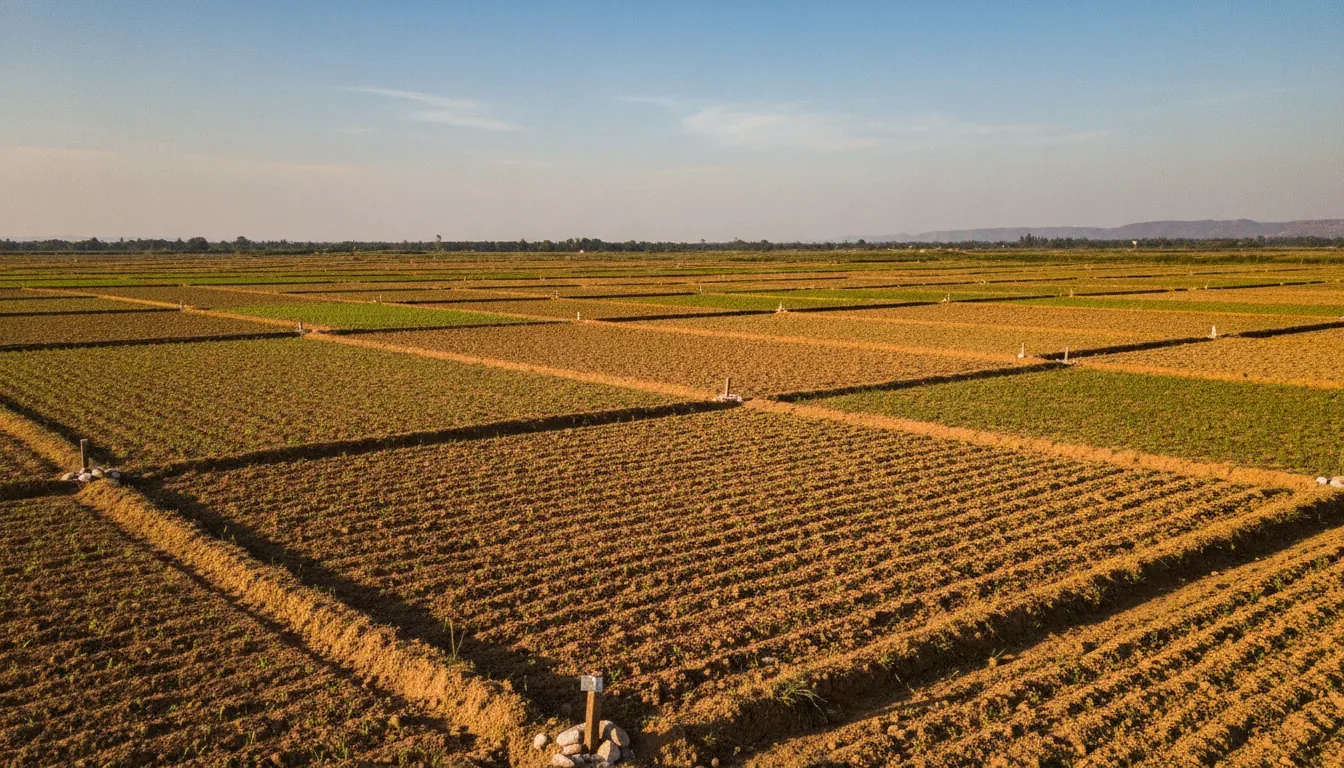
It’s a 17-acre layout with 30+ plots, with an average plot size noted around 6000 sq.ft, and it highlights 50+ plantations per plot.
Plot configurations shown include:
- 10 guntas (10,890 sq.ft)
- 20 guntas (21,780 sq.ft)
What makes the snapshot feel like more than numbers is the experience layer that’s built into the highlights: a natural seasonal stream through the project, an upcoming bio-pool and eco recreation zone, camping and stargazing spots, organic farming and community spaces, and a gated community setup with 24×7 security and CCTV.
Parva also lists nearby attractions such as Pyramid Valley, Chunchi Falls, Muthathi Temple, Bheemeshwari Wildlife Sanctuary, Mekedatu Sangama and more, which adds a “weekend itinerary” advantage for families who like nature plus short day trips.
Plantations and landscape planning
Here’s the part most people underestimate: land doesn’t feel peaceful just because it’s outside the city. It feels peaceful when it’s planned well.
Parva’s plantation story is anchored around sandalwood and fruit trees, and it explicitly credits the sandalwood and fruit-tree plan to Kavitha Mishra. On top of that, it mentions 50+ curated native and fruit-bearing plantations per plot, which suggests a layered, biodiversity-minded approach rather than a single-crop look.
A layered plantation plan matters for real-life reasons:
- It creates natural shade and privacy over time.
- It makes the land feel alive across seasons (flowers, fruiting cycles, changing greens).
- It supports resilience because a mixed system is generally less fragile than a one-note plantation.
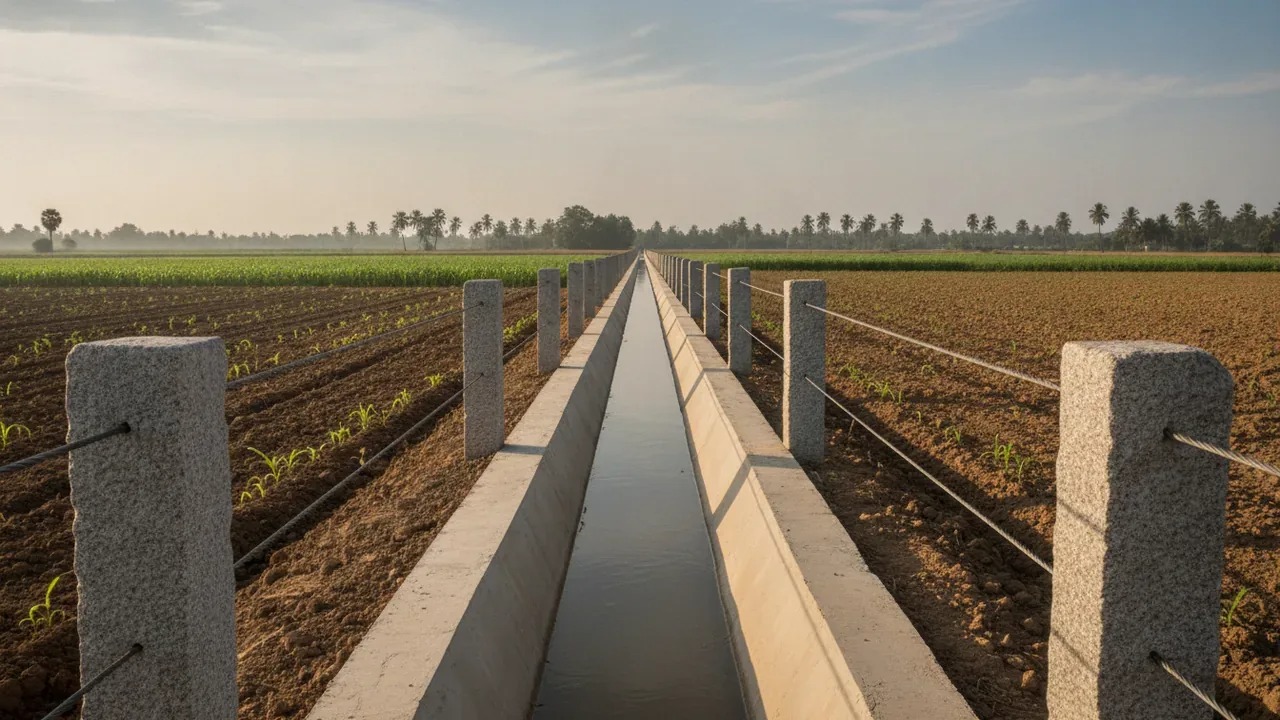
This is also where the water story becomes central. Parva highlights a natural seasonal stream running through the project and also describes the setting as “from perennial streams” in its positioning. Either way, the design intent is clear: the water line is treated as a landscape spine that shapes how the place feels and how the greens evolve.
On the layout side, Parva’s amenities include standard cobbled roads, community gathering spaces, and a gated/CCTV setup. That’s the unglamorous part that quietly protects long-term value because it helps the project stay usable and well-kept year after year.

The core theme, and how it shows up in design
Parva’s theme is “Luxury, Land, Legacy.” It’s also framed through a deeper idea Hasiru uses often for Parva: “From Soil to Soul.”
In practice, that theme shows up in following ways.
First, in identity. The project positions itself around curated sandalwood and eco-living, which gives Parva a distinct signature compared to generic “farm plot” layouts.
Second, in experience design. Bio-pool (eco swimming), stargazing and camping, organic farming zones, and community spaces all point to slow, nature-led weekends rather than “visit once a year” ownership.
A meaningful, sustainable lifestyle you can pass on
This is where Parva stops being “property content” and starts becoming a family decision.
A well-planned farm community changes how weekends look. You don’t come here to shop or scroll. You come here to walk, to notice, to cook slower, to sit longer, to sleep earlier.
Parva’s highlight set is built around that: organic farming and community spaces for hands-on engagement, plus camping zones and stargazing spots that naturally pull families outdoors.
For children, that kind of weekend becomes a quiet education. They learn that food has seasons. They learn what soil smells like after water. They learn patience because trees don’t grow on deadlines. That’s the “legacy” part most families actually care about: passing on a relationship with land, not just a plot on paper.
Long-term intent and ROI, financial and lifestyle-led
Parva itself frames the long-term intent clearly: eco-retreat potential, passive income, and long-term appreciation.
The honest way to think about ROI here is in two tracks.
One track is financial, built on the combination of land value plus a plantation model that’s designed for long horizons. The project repeatedly signals patience: curated plantation systems, sandalwood identity, and a lifestyle-led retreat direction rather than short-term flipping.
The second track is lifestyle ROI, and it starts immediately. It looks like:
- weekends that actually feel like breaks,
- family time that doesn’t need planning and spending to feel special,
- a sense of ownership that brings pride because it’s tied to stewardship.
A quick practical note that also builds trust in a blog like this: tree harvest and transit can be compliance-sensitive in Karnataka. The Karnataka Forest Department’s e-timber system describes felling and transit permissions from private land and notes exclusions (for example, it explicitly says “Except Sandal & Rose Wood”). There is also a separate state service framework for tree-felling permission from private lands under the Karnataka Preservation of Trees Act, 1976. In simple terms, it’s smart to understand the rules early and keep documentation clean.
Zooming out, agroforestry itself is widely described as beneficial for soil and water management and climate resilience when done right, which is one reason plantation-led managed farmland has become attractive to sustainability-minded buyers.
Closing
Parva is not positioned as a quick transaction. It’s positioned as a place you return to, a landscape that matures with you, and a long-horizon asset that’s meant to feel personal, not just profitable.
If your idea of a good investment includes both calm weekends now and a patient legacy later, Parva is worth exploring through a brochure, an online presentation, and then a site visit with your family.
FAQs
What exactly is Parva by Hasiru Farms?
Parva is a managed farm-plot project near the Kanakapura corridor, planned as a nature-first community with curated plantations and shared lifestyle features so owners can actually use the land on weekends.
Who is Parva best suited for?
It’s a fit for people who want the emotional value of land (fresh air, family time, nature routines) but don’t want the full-time burden of managing a farm on their own. It also suits long-horizon buyers who are comfortable letting plantations and the overall landscape mature over time.
What plantations and landscape approach does Parva focus on?
Parva is positioned around a sandalwood-led plantation identity, supported by fruit-bearing and native species. The larger idea is a layered, curated landscape that looks better each season, builds shade and privacy, and feels like a living ecosystem rather than a bare plot.
How does “managed farmland” work for an owner?
In a managed farmland model, you own the plot, while maintenance and on-ground care are handled through a structured system so the project stays cared for even when owners aren’t visiting. The exact scope can vary, so it’s smart to check what’s included (plant care, security, common area upkeep, etc.) in the documentation.
What lifestyle experiences or amenities does Parva highlight?
Parva leans into slow, outdoor weekends with features like organic/community farming spaces, camping and stargazing zones, and an eco recreation angle (including a bio-pool concept mentioned in the project highlights). It’s designed to feel like a retreat you return to, not just land you hold.
What should I know about ROI and long-term intent?
Think of ROI in two tracks. Financially, it’s a long-horizon story based on land ownership plus plantation maturity and overall project upkeep. Lifestyle ROI starts immediately: calmer weekends, family rituals, and a place that feels restorative. Also, if you’re thinking about timber-related outcomes long term, learn the permissions and compliance side early.