If you are an IT professional in Bangalore and you have ₹25 to ₹50 lakhs to deploy, you have probably had this exact debate:
- Should I put it into another apartment for rental income?
- Should I buy a residential site and hold long term?
- Should I buy a farm plot near Bangalore for lifestyle plus appreciation?
The problem is not a lack of options. The problem is that each option wins under different conditions. The best answer depends on three things:
- Your time horizon
- Your need for liquidity and predictability
- Whether you want lifestyle value, not just money returns
This guide will help you choose without hype. You will get:
- A simple decision framework
- An apples-to-apples comparison table
- Three realistic “IT buyer” scenarios
- A risk checklist you can use before you commit
- A short section on why Hasiru Farms fits if you decide farm plots are right for you
Note: This is educational and not financial advice. Real estate outcomes vary by micro location, legal clarity, and execution. For farmland or sites, always use independent legal due diligence.
Table of Contents
Step 1: Define Your Goal (Most People Skip This)
Are you optimizing for income, growth, or lifestyle?
Most regret comes from buying the wrong asset for the wrong goal. Be honest about your primary goal.
Goal A: Monthly income and predictability
You want an asset that can generate relatively steady cash flow and is easier to finance.
Goal B: Capital growth and land ownership
You want appreciation and long-term optionality, even if income is low today.
Goal C: Lifestyle plus ownership
You want a place you can use for weekends, family time, mental reset, and long-term value.
A flat often aligns best with income. A site often aligns best with growth and flexibility. A farm plot often aligns best with lifestyle plus long-horizon diversification.
Your time horizon decides everything
If you take nothing else from this article, remember this:
- 0 to 3 years: do not choose an asset that needs a long runway to work
- 3 to 7 years: you can consider appreciation plays, but liquidity still matters
- 7 to 15 years: land and lifestyle assets become much more logical
Farm plots especially are best evaluated with a 7 to 10 year mindset, not a flip mindset.
Liquidity reality check
Ask yourself:
- Will I need this money for a down payment, relocation, education, or a business in the next 3 to 5 years?
- If a family emergency happens, can I access funds without selling this asset?
If liquidity is important, a flat is usually easier to manage because the buyer pool is broader. Sites and farm plots can take longer to exit, especially in soft markets reasearch.
Flats in Bangalore: When They Make Sense
Flats are the default choice because they feel familiar, finance-friendly, and socially validated.
What you get
1) Easier financing and documentation workflows
Banks are generally more comfortable financing apartments than farmland, and many buyers already understand the process.
2) Rental income potential
Rental yields vary widely by locality, size, and property price. One datapoint that helps frame expectations: Anarock data reported in April 2024 suggests Bengaluru had rental yields around 4.45 percent in Q1 2024, higher than several other major cities in that report.
That does not mean your unit will deliver that yield. It means rentals became meaningfully relevant in the investor conversation farm plot investment in Bangalore, especially when rents rose across major cities. Reuters reporting in 2025 also discussed expectations that rents could rise faster than inflation in India in certain periods, reflecting strong demand dynamics in large cities. Talk to a farmland advisor, contact Hasiru Farms
3) Convenience for self use
If you might live in it later, a flat can double as a hedge against rising rents.
Typical drawbacks
1) Returns can be “spread out” across costs
Maintenance charges, periodic repairs, and vacancy periods can soften the effective return.
2) The building ages
A flat is not just land, it is a structure that depreciates physically over time. In prime projects like prakruthi, the location can outweigh this, but it is still a factor.
3) You are buying a managed asset, even if you do not want to manage
Tenant screening, maintenance issues, association rules, and vacancy are real work unless you outsource.
Best fit profile
Flats tend to fit best if you:
- Want income or predictable usage
- Prefer financing ease
- Want a large buyer pool when you sell
- Might need liquidity sooner than later
Plotted Sites in and around Bangalore: When They Make Sense
Sites sit in the middle. They are “land ownership” without the farming complexity, and they carry strong optionality if the location develops.
What you get
1) Land ownership and flexibility
You can hold, sell, or build later. That flexibility is a big reason sites remain attractive.
2) Appreciation potential if the corridor develops
Sites benefit when demand expands outward, infrastructure improves, and legal layouts become scarce.
3) Lower operational complexity than farmland
You are not dealing with crop cycles, plantation decisions, or farm operations.
Typical drawbacks
1) Legal and layout risk can be serious
In some cases, what is sold as a “plot” is not properly approved, or documentation is incomplete. This is why due diligence is non negotiable.
2) Security and holding costs
Even if you do not build, you may still pay for fencing, security, or maintenance to prevent encroachment.
3) Premium pricing near Bangalore
The closer the plot is to high-demand zones, the more you pay for future value today.
Best fit profile
Sites tend to fit best if you:
- Want a land appreciation play
- Have patience (often 5 to 10+ years)
- Are willing to do due diligence seriously
- Like the flexibility of building later

Farm Plots Near Bangalore: Raw vs Managed, and When They Make Sense
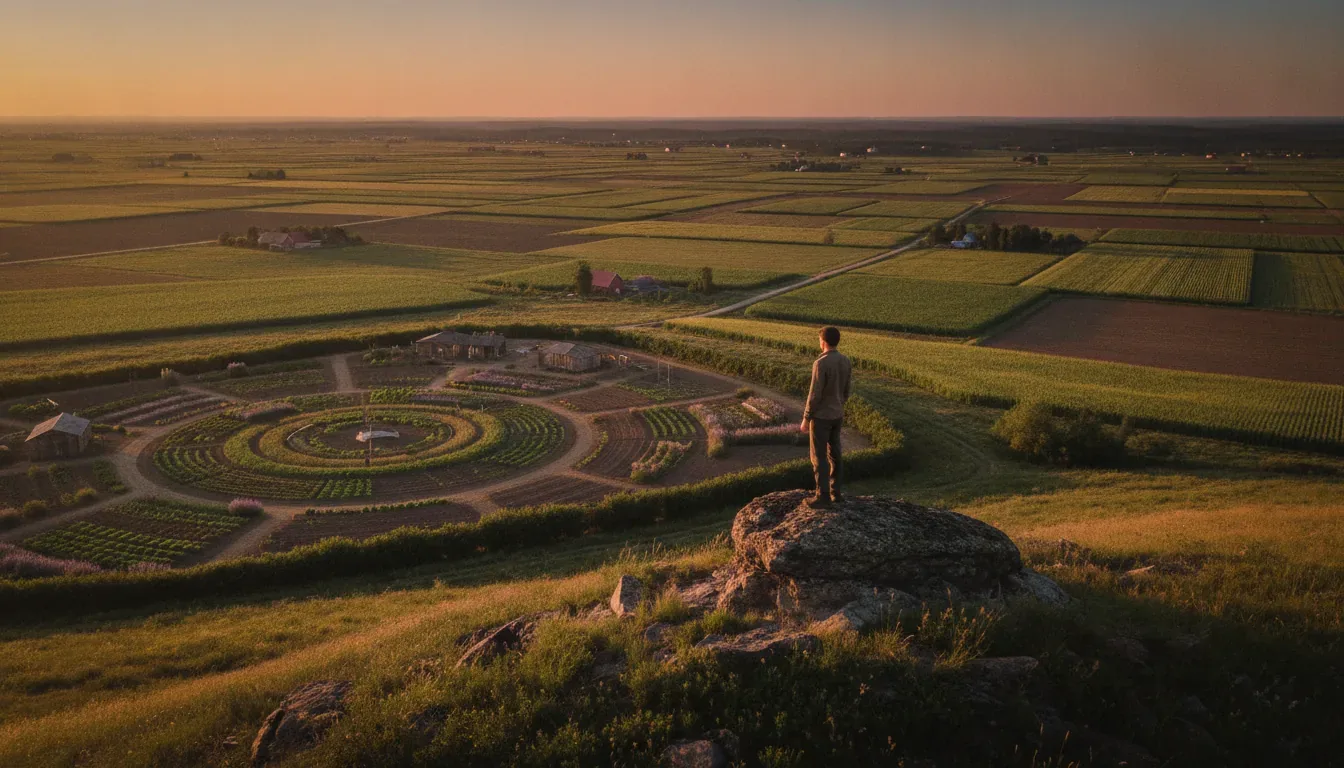
Farm plots are where the decision becomes emotional, and that is not a bad thing if you are honest about it.
What you get
1) Lifestyle value that a flat or site cannot match
A farm plot can deliver “life returns” that do not show up in spreadsheets:
- weekend resets
- family time outdoors
- a sense of ownership of nature and land
2) Long-horizon land story
If chosen well, farmland corridors can mature over time. But this is a long-term game.
3) Tangible ownership
Many professionals like the idea of a real asset that is not only a line in a demat account.
Typical drawbacks
1) Liquidity can be slower
The resale buyer pool is narrower than apartments. A managed farmland like raaga may help, but it is not the same as selling a flat in a popular locality.
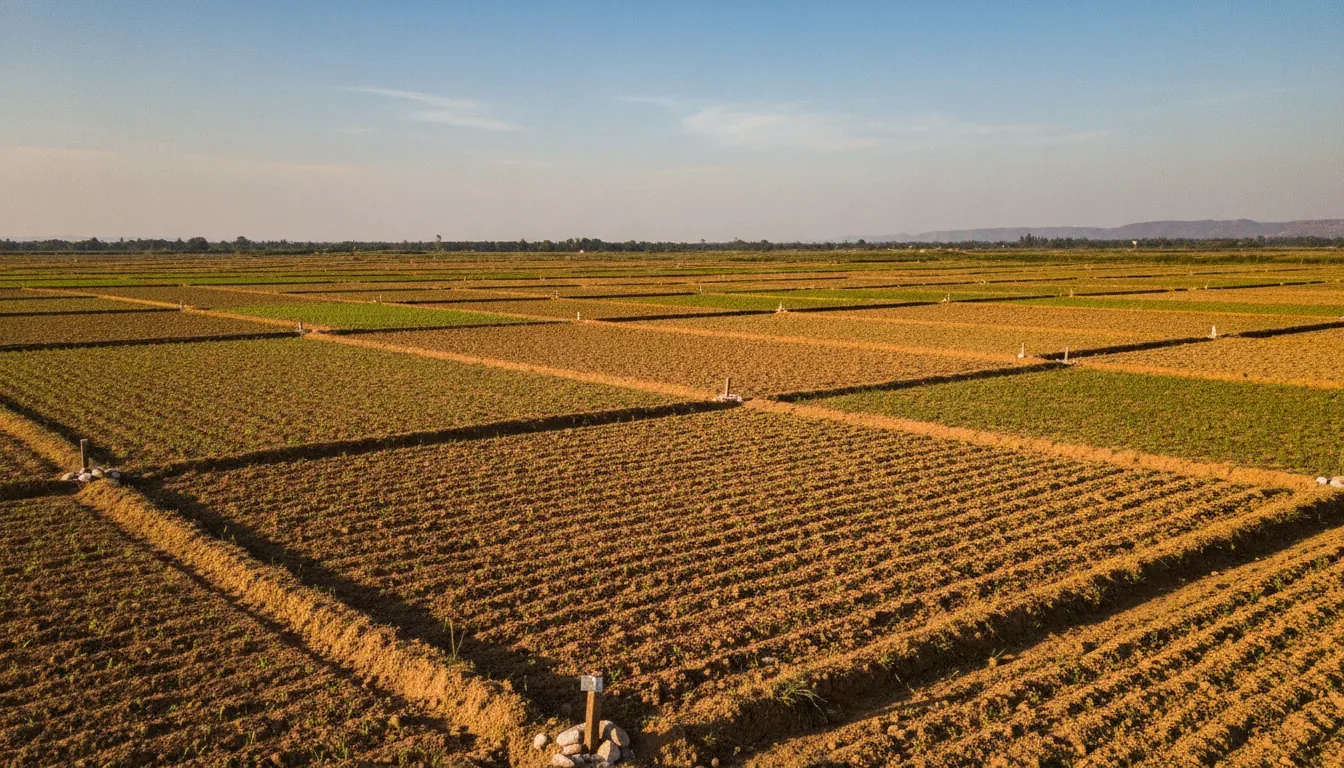
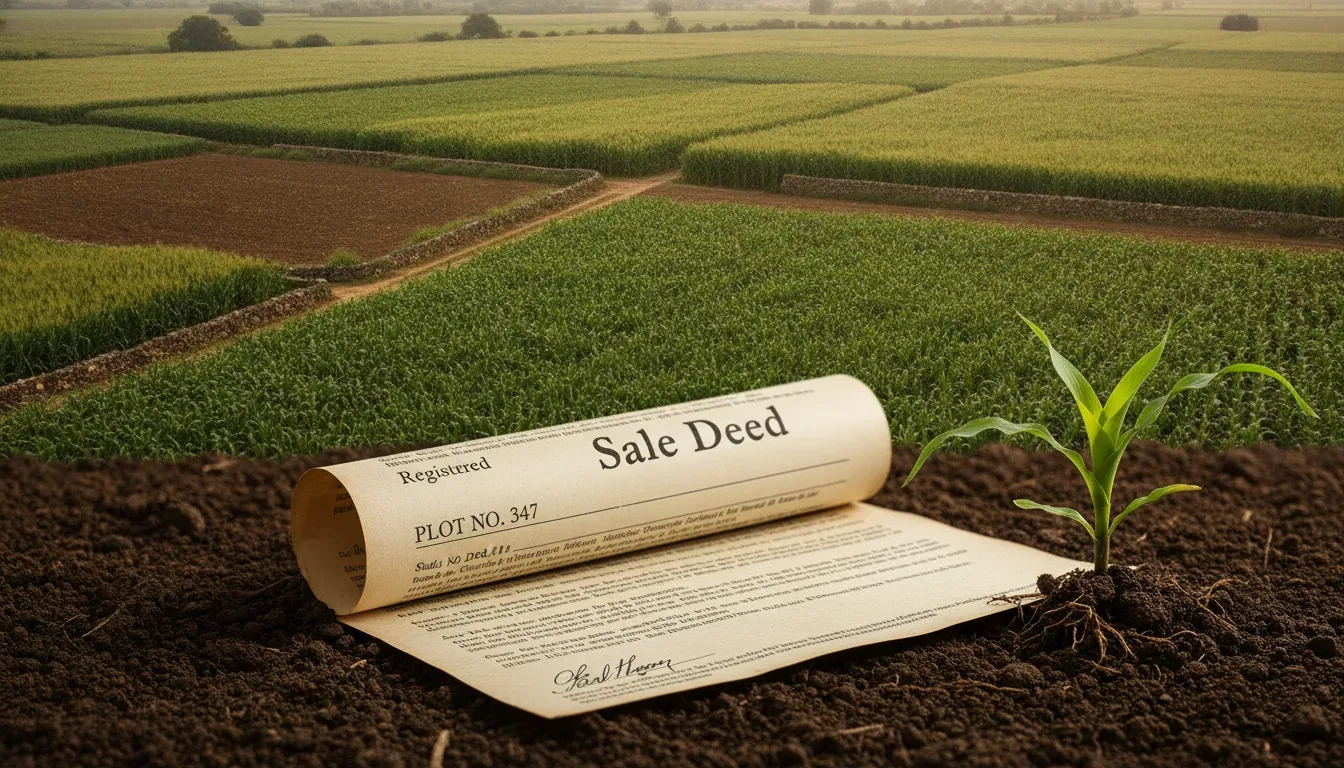
2) Legal complexity if you buy raw agricultural land
Agricultural land comes with revenue record checks, survey clarity, and risks like unclear boundaries. If you do not like paperwork, do not buy raw farmland casually.
3) Operational burden unless it is managed
A raw farm plot without support often means:
- hiring labor
- irrigation decisions
- pest and disease handling
- periodic visits to ensure nothing goes wrong
For a busy IT professional, this is where many dreams collapse.
Raw farm land vs managed farmland
Raw farm land
- Often cheaper on paper
- Higher risk and higher effort
- You must build your own operating system: vendors, labor, water, security
Managed farm plots
- Usually priced at a premium because they include development and an operating model
- Lower operational friction for time-poor owners
- Still requires due diligence, especially on documents, plot demarcation, and management terms
If you are choosing farmland primarily for lifestyle and you cannot spend time managing it, managed farmland is often the more realistic fit.

One Table That Makes This Decision Easier
Below is a practical comparison grid for Bangalore buyers with ₹25 to ₹50 lakhs.
| Factor | Flats (Apartments) | Sites (Residential Plots) | Farm Plots (Raw or Managed) |
| Best for | Income, self-use, financing | Appreciation, flexibility | Lifestyle plus long horizon |
| Time horizon sweet spot | 3 to 7 years (or longer) | 5 to 12+ years | 7 to 15+ years |
| Liquidity | Often higher | Medium | Often lower |
| Effort required | Medium (tenants, upkeep) | Medium (due diligence, security) | High if raw, medium if managed |
| Legal complexity | Usually moderate | Can be high | Can be high, especially raw |
| Predictability | Higher than land plays | Medium | Medium to low |
| Lifestyle value | Low to medium | Medium | High |
| Who should avoid | People who hate tenants | People who skip due diligence | People who need quick exit or hate travel |
Use this table as your first filter. Then decide based on your personal constraints.
Scenario Walkthroughs (Realistic IT Buyer Decisions)
These scenarios are not “right answers.” They are templates to help you think clearly.
Scenario A: 30-year-old IT employee, new family, wants stability
Profile
- Early career growth phase
- Higher uncertainty (job switches, relocation, kids)
- Wants stability and predictable monthly planning
What matters most
- Liquidity and flexibility
- Ability to finance
- Low mental load
Likely best fit
- A flat can make sense if you want rental income or self-use optionality.
- A farm plot can still make sense only if:
- it is funded from true surplus, not core savings
- you are confident you will not need the money for 5+ years
- you actually want to use it as lifestyle, not speculation
Practical advice
If you are in this stage and you still love farmland, treat it like a “second asset” after you have the basics covered, not as your only major bet.
Scenario B: 35-year-old dual-income couple, already owns a flat
Profile
- Owns a primary home or already has a stable rental unit
- Looking for diversification
- Can tolerate lower liquidity
What matters most
- Diversification across asset types
- A second space for family weekends
- Long-term appreciation story
Likely best fit
- A farm plot, especially managed, becomes a strong candidate because:
- you are not depending on it for monthly income
- you can hold it long term
- you can extract lifestyle value regularly
This is the “sweet spot” profile for managed farmland, because the owner can actually wait, use it, and let it mature.
Scenario C: 40-year-old senior professional, wants a retreat plus legacy asset
Profile
- Higher income stability
- Kids are older or family needs a calm second place
- Thinking about long-term legacy and wellness
What matters most
- Lifestyle value
- Low operational burden
- A sense of community and safety
Likely best fit
- Managed farmland or a well-chosen site with a clear plan.
- Flats can still work, but the emotional return is often lower unless it is intended for children or rental strategy.
For this profile, the right question is often not “which returns more,” but “which asset improves our life while still being financially sensible.”
The Hidden Costs People Forget to Factor In
This section is where realistic planning happens. Costs are not always the same as “price.” Costs include time, stress, and ongoing money outflow.
Flats: the hidden costs
- Maintenance charges and periodic repairs
- Vacancy periods
- Brokerage and tenant management time
- Potential renovation costs after tenants move out
Rental yield numbers can look attractive in reports, but your net yield depends on these realities. As mentioned earlier, Anarock data reported in 2024 placed Bengaluru rental yields around 4.45 percent in that period, but your net outcome is still locality-specific and cost-sensitive.
Sites: the hidden costs
- Fencing and security to prevent encroachment
- Legal verification, and sometimes re-verification
- Risk of buying an “almost okay” layout that becomes hard to sell
- Opportunity cost, you may hold for years without any cash flow
Farm plots: the hidden costs
For raw farmland:
- cost of operations, labor, water management, and supervision
- time cost, frequent visits if you want it to stay safe and productive
For managed farmland:
- development premium compared to raw land
- ongoing management fees (scope varies by provider)
- travel time and travel cost
The point is not to fear these costs. The point is to budget for them so you are not surprised.
Risk Checklist: What Can Go Wrong and How to Reduce It
1) Legal risk
This is highest for sites and farmland. Common problems:
- unclear title chain
- mismatched survey details
- boundary confusion
- missing revenue record updates
- access road disputes
If you are evaluating farmland, use a dedicated due diligence checklist. If you have Asset 4 live, link it here:
- Read: “How to Safely Buy a Farm Plot Near Bangalore: Legal, Title, and Due Diligence Checklist”
2) Liquidity risk
- Flats usually have the broadest resale market.
- Sites can be liquid in high-demand layouts, slow elsewhere.
- Farm plots can take longer because buyer intent is niche.
Your best defense is a realistic time horizon. Do not buy a slow asset with fast money.
3) Execution risk
For managed farmland, execution risk is the biggest variable.
Ask:
- Who is the operator?
- What do they manage, specifically?
- What is their track record in plantations, upkeep, and communication?
4) Expectation risk
Expectation mismatch causes more regret than market cycles.
Avoid these traps:
- “Guaranteed returns” language for farmland
- assuming you will visit often when you realistically will not
- thinking a project will automatically become residential later without approvals
Be honest about what you want: income, growth, lifestyle, or a mix.
So What Should You Choose With ₹25 to ₹50 Lakhs?
Here is a clear, practical decision section you can use as a conclusion.
Choose a flat if:
- You want a relatively predictable asset class
- You might need liquidity in the next 3 to 5 years
- You want rental income potential and financing ease
- You are okay managing tenants or outsourcing it
Choose a plotted site if:
- You want land ownership and long-term appreciation optionality
- You can do serious due diligence
- You can hold for 5 to 12+ years without needing cash flow
- You want flexibility to build later
Choose a farm plot near Bangalore if:
- You have a 7 to 10+ year horizon
- You want lifestyle value alongside long-term land ownership
- You can accept slower liquidity
- You do not want to manage farm operations yourself, so you prefer a managed model
A good way to phrase it:
- Flats are often about income and convenience.
- Sites are about land appreciation and optionality.
- Farm plots are about lifestyle plus long-term diversification.
Where Hasiru Farms Fits (If You Decide Farm Plots Are Your Best Match)
If your decision framework points you toward a farm plot, the next challenge is execution and trust. This is where a managed farmland model can be helpful for a busy IT buyer.
Here are a few verifiable examples from Hasiru’s published project content to illustrate what “managed, theme-based farmland” looks like in practice.
1) Clear project definitions and plot sizing examples
Hasiru’s Parva project page describes:
- Total land area: 17 acres
- Total plots: 30+
- Average plot size: about 6000 sq ft
- Plantations per plot: 50+ curated plants
This kind of specificity matters because it signals that the offering is structured, not vague.
2) Theme-based communities in Bangalore-accessible corridors
Hasiru also publishes corridor-oriented projects like Brindavan, described as a theme-based managed farmland with:
- Total land area: 30 acres
- Plot size: 6000 sq ft
For many IT families, the “theme plus community” part is what converts the farm plot from “random land” into a weekend space they actually use.
3) Western Ghats retreat-style managed farmland
If your lifestyle goal leans more toward retreats and longer stays, Hasiru’s Vihaar content positions it around managed plantations such as:
- Arabica coffee
- black pepper
- silver oak timber
and emphasizes transparent updates and managed operations.
4) Why this can matter for IT professionals
A managed model is not magic, but it can reduce:
- vendor coordination
- labor management burden
- uncertainty about ongoing upkeep
FAQs
1) Is a farm plot a better investment than a flat in Bangalore?
Not always. A flat is often better if you want predictable cash flow and easier resale. A farm plot can be better if you want lifestyle value and can hold for 7 to 10+ years. The right choice depends on time horizon, liquidity needs, and whether you will actually use the farm.
2) Should I buy a site or invest in a farm plot near Bangalore?
Choose a site if you want land ownership primarily for appreciation and future building flexibility. Choose a farm plot if you want a lifestyle asset you can use and are comfortable with slower liquidity. For busy IT professionals, managed farmland can reduce operational burden compared to raw agricultural land.
3) What is the biggest risk when buying farm plots near Bangalore?
For many buyers, it is a combination of legal clarity and execution. Legal clarity includes revenue records, survey details, and boundary issues. Execution includes whether the farmland is truly maintained and managed as promised. Use an independent lawyer and insist on clear documentation.
4) Are managed farm plots safer than buying raw agricultural land?
They can be safer operationally because management is handled by a professional team, but they are not automatically safer legally. You still need due diligence on the land, ownership structure, and agreements. Managed farmland often comes at a premium because it bundles development and operations.
5) What time horizon is ideal for farm plot investment?
In most cases, think long term. Many buyers evaluate farm plots with a 7 to 10+ year horizon. If you need to exit in 2 to 3 years, farmland may not match your liquidity needs.
6) Can I expect rental income from a farm plot like an apartment?
Usually not in the same way. Apartments can generate rent relatively predictably. Farm plots may generate agricultural income depending on crop model and management, but it is variable and not comparable to residential rent. Treat any crop income as potential upside, not a guaranteed monthly return.
7) Who should avoid farm plot investments completely?
Avoid farm plots if you need high liquidity, have a short time horizon, dislike travel, or cannot tolerate uncertainty. If you are stretching finances to buy a farm plot, you risk turning a lifestyle dream into stress. Farm plots fit best when funded from surplus and held long term.